
English
Oil-Free Cleaning Standards for Oxygen Flow Meters: CGA G-4.1 and ASTM G93 Explained
Oxygen flow meters need oil-free cleaning because hydrocarbon residue, grease, and loose particles can ignite inside an oxygen-enriched system, even without an external spark.
Two standards cover this: CGA G-4.1 for gas production, storage, and distribution equipment, and ASTM G93 for a wider range of oxygen-enriched environments including aerospace and semiconductor.
Silver Automation Instruments degreases and inspects wetted parts on every oxygen-service flow meter, targeting a non-volatile residue level of 220 mg/m² or tighter, matching the CGA G-4.1 baseline.
Oxygen above 23.5% concentration by volume is classified as an oxidizer under both standards. That number matters because ordinary air is about 21% oxygen, and even a small enrichment above it changes how materials burn. Grease and oil that sit quietly on a steel surface in ambient air will ignite readily once pure oxygen sweeps past them at pressure.
There are two ignition mechanisms worth knowing before you spec a flow meter for oxygen service. Adiabatic compression happens when a slug of oxygen gets compressed fast against a dead end or a valve seat, and the heat of compression alone is enough to ignite residue sitting there. Particle impact ignition happens when a loose bit of weld scale or machining swarf travels at high velocity and strikes a sensor surface, generating a spark from friction. Neither needs an outside ignition source.
So a flow meter body that works fine on compressed air can become a liability on oxygen if it was never degreased. This is not a theoretical risk. It is the reason gas suppliers, hospitals, and steel mills all specify cleaning standards on their purchase orders rather than leaving it to assumption.
CGA G-4.1 is published by the Compressed Gas Association and is the standard most gas suppliers, oxygen plant operators, and medical gas distributors reference. It covers storage tanks, road tankers, compressors, pumps, and instrumentation, essentially anything that contacts oxygen above 23.5% concentration. The standard is prescriptive: it lays out specific cleaning methods (solvent, aqueous, ultrasonic), inspection steps, and packaging requirements. It also gives a baseline cleanliness level, so a buyer who simply writes "clean to CGA G-4.1" on a purchase order still gets something defined.
ASTM G93 takes a broader, risk-based approach. Instead of one baseline, it defines cleanliness Levels A through D, with Level A the tightest (used in aerospace propulsion and high-pressure oxygen systems) and Level D the loosest. Unlike CGA G-4.1, there is no automatic default, so the buyer has to state which level applies. This standard shows up more in aerospace, semiconductor, and specialty gas work, though the two standards overlap and CGA G-4.1 itself references ASTM G93 for detailed test methods.
For a typical industrial gas customer, an oxygen generation plant, a hospital central supply system, or a steel mill oxy-fuel line, the CGA G-4.1 baseline is normally sufficient. Aerospace, liquid oxygen propulsion, and some semiconductor customers need to name an ASTM G93 level explicitly on the order.
| Aspect | CGA G-4.1 | ASTM G93 |
| Scope | Gas production, storage, distribution, and use equipment | Broader range of oxygen-enriched materials and equipment |
| Default cleanliness | Defined baseline (220 mg/m² NVR) applies automatically | No default; buyer must specify Level A to D |
| Typical users | Gas suppliers, medical oxygen, industrial O2 plants | Aerospace, semiconductor, high-pressure O2 systems |
| Relationship | References ASTM G93 for detailed test methods | Referenced by CGA G-4.1 for testing detail |
A cleaning certificate does not fix a design problem on its own. Turbine and positive displacement flow meters rely on rotating parts running on bearings, and many bearing designs need a lubricant film to survive. Standard hydrocarbon-based lubricants are exactly what CGA G-4.1 exists to remove, so these meters usually need oxygen-compatible grease, tighter inspection intervals, or both.
Thermal mass flow meters and vortex flow meters avoid this problem in a more structural way. Neither has moving parts in the flow path, so there is no bearing to lubricate and no wear surface shedding metal particles over years of service. That is one reason SRK-100 thermal mass meters and STLU-G vortex meters come up often in the oxygen and nitrogen inquiries we receive from Southeast Asia and the Middle East. The sensor still needs degreasing and inspection before it ships. There is just no ongoing lubrication risk once the meter is installed.
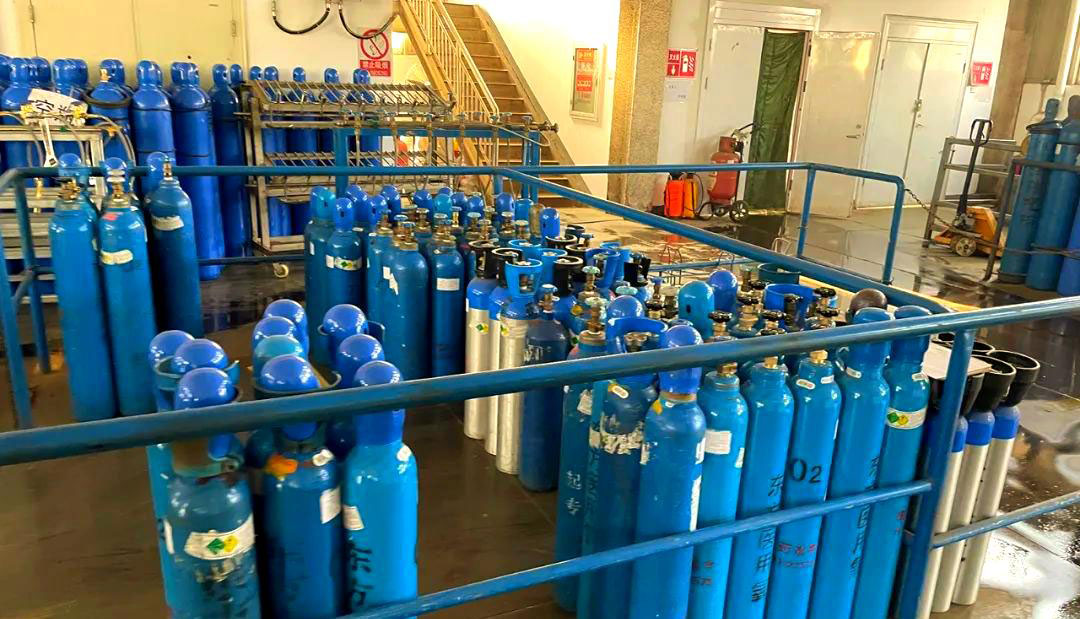
A few points come up on almost every oxygen flow meter inquiry we handle, so it is worth stating them directly rather than waiting for the question.
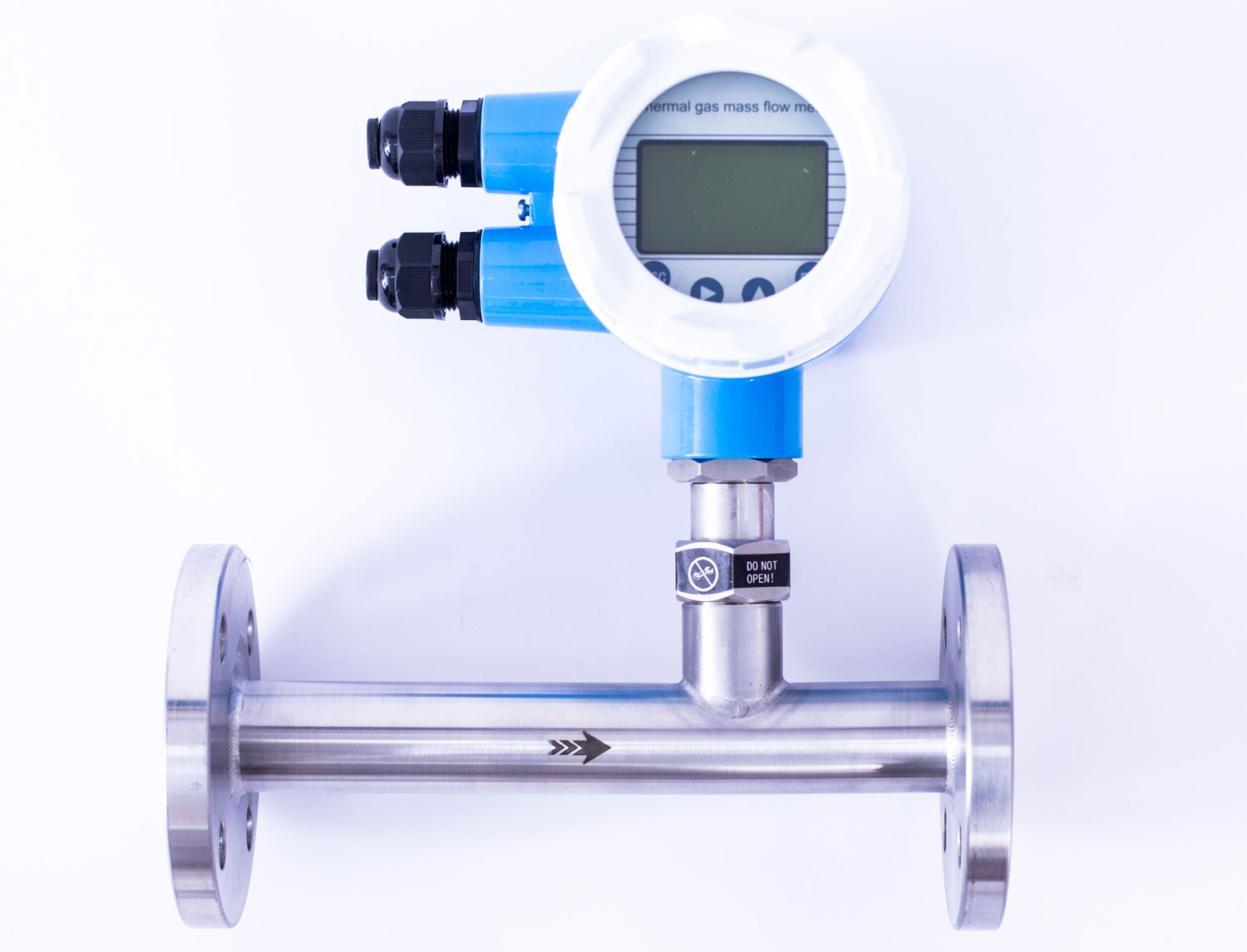
Thermal mass flow meter for oxygen
When an order comes in for oxygen service, we pull the wetted components and degrease them separately from the rest of the build, following the solvent cleaning steps described in CGA G-4.1. After degreasing, parts get a UV light inspection and, on tighter orders, a wipe test to confirm non-volatile residue is within the level requested. Once a part passes, it is bagged, tagged with the cleaning date and standard applied, and kept sealed until final assembly.
This is standard practice on SRK-100 thermal mass meters and STLU-G vortex flow meters ordered for O2 service. We can clean to a tighter level than the CGA G-4.1 baseline on request, though it adds lead time. We do not claim shop certification to CGA G-4.1 or ASTM G93. What we confirm in writing is the specific cleanliness level, inspection method, and documentation shipped with each unit, and we recommend customers with strict internal QA requirements state their required level and documentation format directly on the purchase order.
In Southeast Asia, small PSA and VPSA oxygen generation plants are a recurring source of these inquiries. Plant integrators in Vietnam, Indonesia, and the Philippines often spec a thermal mass or vortex meter on the product outlet line specifically because it avoids the lubricated-bearing question that comes with turbine meters.
Middle East customers ask about this mostly for oxygen-enriched combustion in glass and metal processing, where enrichment stays below the 23.5% threshold on some lines but crosses it on others within the same plant, so each line needs its own review rather than a blanket answer.
Hospitals in Australia and New Zealand size central oxygen supply flow monitoring around the CGA G-4.1 baseline as a matter of course, since NFPA 99 and similar regional medical gas codes expect it, though the facility's own gas system engineer sets the final documentation requirement, not the meter supplier.
South American steel mills running oxy-fuel cutting or lancing lines are usually the most cost-sensitive group in this list, and they tend to ask specifically whether a lower-cost turbine meter can be requalified for oxygen instead of ordering a purpose-cleaned thermal or vortex unit.
A gas equipment integrator in Vietnam supplying small PSA oxygen generators asked us to quote SRK-100 thermal mass meters cleaned to the CGA G-4.1 baseline for the outlet line of a 50 Nm³/h plant. The specifying engineer had inherited a turbine meter installation that failed an internal audit because the bearing grease was not oxygen rated. We hear about similar audit failures on lubricated meters fairly often, usually after a change in plant operator or after an incident elsewhere in the region, which is part of why thermal and vortex designs keep showing up in these inquiries.
If you are specking a flow meter for an oxygen line, send us the oxygen concentration, working pressure (bar), temperature (°C), pipe size (DN), and flow range (Nm³/h) , along with the cleanliness standard your site requires, either the CGA G-4.1 baseline or a specific ASTM G93 level.
Email sales@silverinstruments.com and we will size an SRK-100 thermal mass meter or STLU-G vortex meter and confirm cleaning documentation and lead time before quoting.
 Low flow gas Flow Meter/Mass Flow Controller
For gas ultra low rate as low as 2 sccm (2 ml/min), For air,biogas,natural gas, N2, O2,CO2,etc. 1%F.S accuracy and 2s response time.
VIEW
Low flow gas Flow Meter/Mass Flow Controller
For gas ultra low rate as low as 2 sccm (2 ml/min), For air,biogas,natural gas, N2, O2,CO2,etc. 1%F.S accuracy and 2s response time.
VIEW
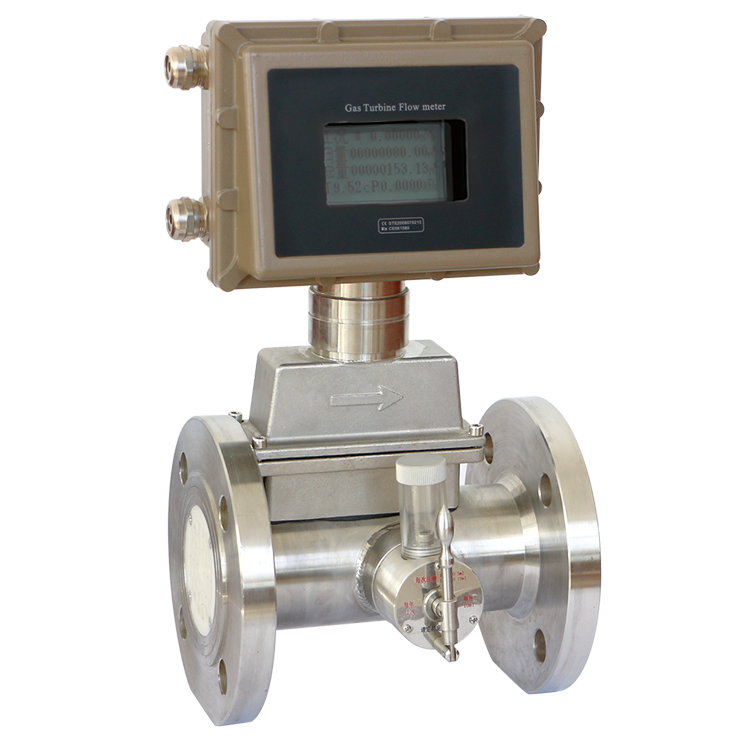 Gas flow meter types & Gas flow measurement techniques
All instruments that measure fluid flow are referred to flow meters or flowmeters. The mass or volume of a fluid flowing through a cross-section of a pipe or facility per unit time is called flow rate...
VIEW
Gas flow meter types & Gas flow measurement techniques
All instruments that measure fluid flow are referred to flow meters or flowmeters. The mass or volume of a fluid flowing through a cross-section of a pipe or facility per unit time is called flow rate...
VIEW
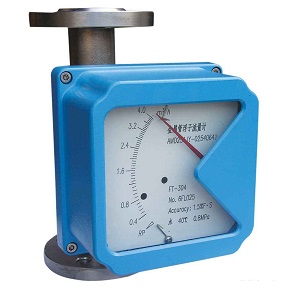 Gas flow rotameter
 is a measuringinstrument for various gas flow measuring applications. It monitors the flowrate in the area of cool, high pressure, high temperature, and other hazardoussituations an...
VIEW
Gas flow rotameter
Gas flow rotameter is a measuringinstrument for various gas flow measuring applications. It monitors the flowrate in the area of cool, high pressure, high temperature, and other hazardoussituations an...
VIEW
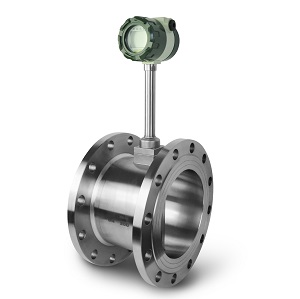 Vortex flow meter for natural gas
What Is Natural Gas?Natural gas is a combination of gases thatexist rich in hydrocarbons. Natural gases such as methane, nitrogen, and carbondioxide also found in the air. Natural gas reserves are dee...
VIEW
Vortex flow meter for natural gas
What Is Natural Gas?Natural gas is a combination of gases thatexist rich in hydrocarbons. Natural gases such as methane, nitrogen, and carbondioxide also found in the air. Natural gas reserves are dee...
VIEW
 Natural Gas Flow Meter
Thermal mass flow meter . Low pressure gas measurement. No moving parts flow sensor. 4-20mA, MODBUS -RTU.
VIEW
Natural Gas Flow Meter
Thermal mass flow meter . Low pressure gas measurement. No moving parts flow sensor. 4-20mA, MODBUS -RTU.
VIEW
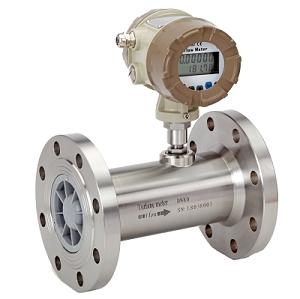 Gas Turbine Flow Meter
Robust Gas flow meter for natural gas,LPG,biogas flow measurement.Inquiry Gas TUF Flowmeter price with EVC directly from China manufacture.
VIEW
Gas Turbine Flow Meter
Robust Gas flow meter for natural gas,LPG,biogas flow measurement.Inquiry Gas TUF Flowmeter price with EVC directly from China manufacture.
VIEW