English
Selecting the right wastewater/sewage flow meter is tougher than it looks—not just because of the abrasive solids, chemically aggressive components, and fluctuating velocities, but also because site conditions (pipe vs. open channel, line size, straight-run availability) heavily narrow your options. A typical system consists of three elements: a sensor, a converter, and a transmission cable. Yet what works in one plant may fail entirely in another.
This guide walks you through how sewage flow meters work, which type fits your application, and what to check before installation. Start here, then click through to the dedicated pages below for deeper technical dives—including operating principles, performance specs, and application-specific guidance for each wastewater/sewage flow meter type.
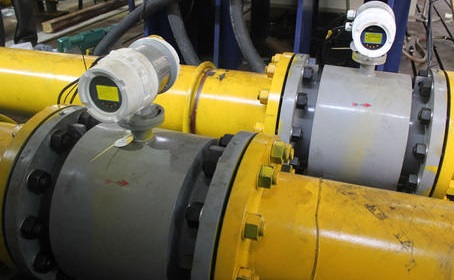
Most sewage flow meters used today are electromagnetic flow meters. They work on Faraday's law of electromagnetic induction: as conductive liquid flows through a magnetic field, it generates a voltage proportional to flow velocity. There are no moving parts and no obstructions inside the measuring tube. This matters for sewage specifically. Raw sewage carries solids, fibers, and debris that would clog or wear down a mechanical meter, so an electromagnetic design avoids that problem entirely. That's the main reason it's become the standard choice for this application.
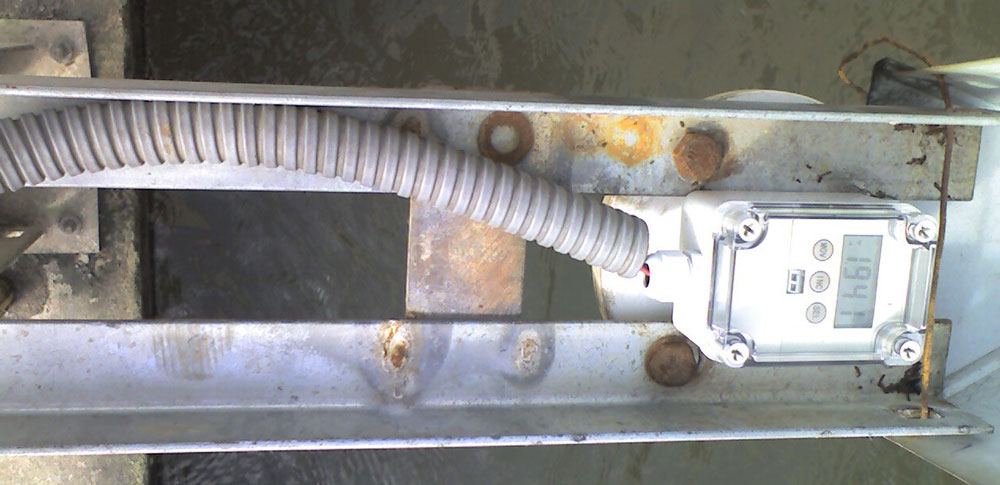
Some installations use ultrasonic flow meters instead, particularly for open-channel flow or where a non-contact solution is preferred. If you're deciding between the two, our electromagnetic vs. ultrasonic sewage flow meter comparison covers the tradeoffs for different pipe and channel conditions. For sites that can't take a pipe out of service, insertion-type and submersible sewage flow meters are worth a look too, since they install without cutting the line.
Sewage flow meters are built for conditions that would damage or mislead a standard meter:
Sewage flow meters show up at several points across the water and wastewater treatment process, and each point has different solids content and accuracy requirements.
Municipal plant metering
Influent metering at the intake and effluent metering before discharge are the two most common points. Solids content differs between the two, so they're usually specified separately rather than covered by one spec.
Lift and pump stations
Operators need real time flow data here to manage pump cycling, making this one of the most common installation points outside the treatment plant itself.
Industrial discharge compliance
Accuracy requirements are usually set by a permit rather than internal process control, which changes which accuracy class actually matters.
Sludge lines
Return activated sludge and dewatered sludge run thicker and carry more solids than standard sewage. A dedicated sludge flow meter is sized for that, where a standard sewage meter isn't.
CSO (combined sewer overflow) monitoring
Overflow events require fast response time and reporting that routine plant metering doesn't need to handle.
For a broader look at electromagnetic flow measurement across water applications, see wastewater flow measurement with magnetic flow meters.
Before selecting a meter, confirm the following:
Our full sewage flow meter selection guide walks through each of these in more depth, including how they interact with price.
Correct installation directly affects accuracy and meter lifespan:
These are the basics. For the full step-by-step process, see our detailed sewage flow meter installation guide. And if a meter is already installed but the readings look off, start with the common sewage flow meter errors and troubleshooting guide before assuming the unit itself is faulty; most issues trace back to installation, not the sensor.
It measures the volume of sewage, wastewater, or effluent moving through a pipe or channel, typically for process control, billing, or regulatory compliance reporting at treatment plants and industrial sites.
Electromagnetic meters have no moving parts inside the flow path, so solids and debris in raw sewage don't clog or wear down the sensor. This gives longer service life and more consistent accuracy than mechanical alternatives.
Yes. Electromagnetic sewage flow meters are specifically designed for this. The open bore design allows solids to pass through without restriction.
A properly specified electromagnetic sewage flow meter maintains accuracy across normal variations in temperature, density, viscosity, and conductivity found in municipal and industrial wastewater.
Cost depends on pipe size, lining material, accuracy class, and communication protocol required. Contact us with your pipe size and application details for a quote.
South Africa effluent treatment plant For a slurry line at 50% solids and a clean filtrate line on the same effluent treatment plant, an electromagnetic flow meter is the correct choice for both. DN200 SHD-SE16 units with tungsten carbide electrodes and a polyurethane rubber liner handled the abrasive slurry side at 70 to 150 m3/h and 4 barG, with no moving parts to wear against the 1.4 t/m3 slurry density. |
We supply sewage and wastewater flow meters for municipal treatment plants, industrial effluent lines, and pump stations worldwide. Send us your pipe size, medium, and required accuracy, and we'll recommend the right meter and provide pricing.
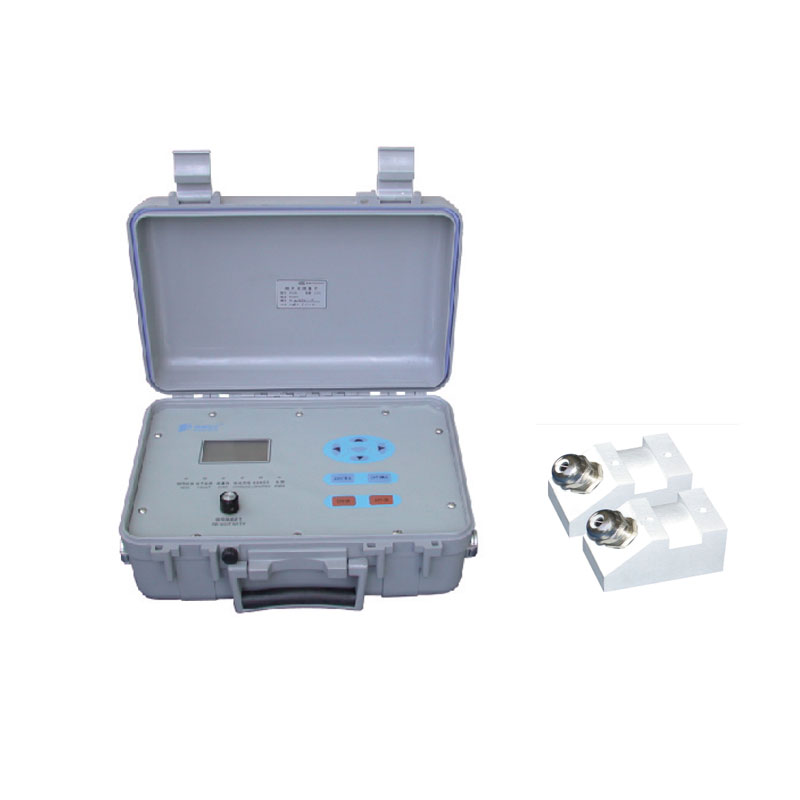 Doppler ultrasonic flowmeter
Doppler ultrasonic flow meter clamp on type for waste water flow measurement non-invasive type.
VIEW
Doppler ultrasonic flowmeter
Doppler ultrasonic flow meter clamp on type for waste water flow measurement non-invasive type.
VIEW
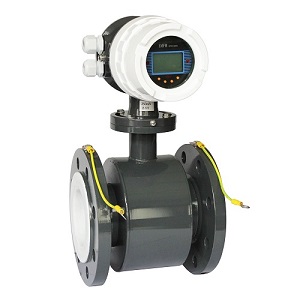 Wastewater flow measurement-Magnetic Flow water
A magnetic wastewater flow meter is an electromagnetic flowmeter. A magnetic field is applied to the meter tube whichcauses a potential difference depending on the flow of velocity of the rightangle t...
VIEW
Wastewater flow measurement-Magnetic Flow water
A magnetic wastewater flow meter is an electromagnetic flowmeter. A magnetic field is applied to the meter tube whichcauses a potential difference depending on the flow of velocity of the rightangle t...
VIEW
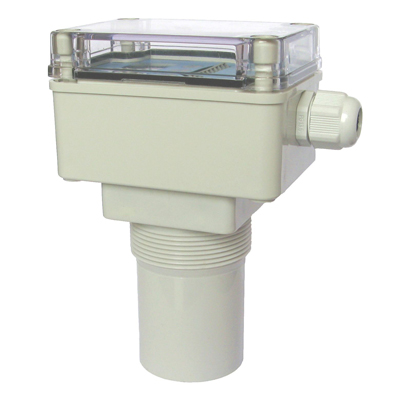 Ultrasonic level sensor wastewater
Ultrasonic Level Sensor for Wastewater Management: Accurate and Cost-Effective SolutionsIn the realm of wastewater management, accurate and reliable water level measurement is of paramount importance....
VIEW
Ultrasonic level sensor wastewater
Ultrasonic Level Sensor for Wastewater Management: Accurate and Cost-Effective SolutionsIn the realm of wastewater management, accurate and reliable water level measurement is of paramount importance....
VIEW
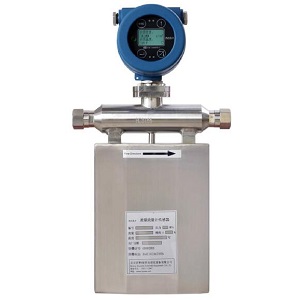 High pressure Coriolis flow meter
Max work on 700 bar high pressure. The high pressure type flow sensor is needed in such as chemical injection or hydrogen fueling station.
VIEW
High pressure Coriolis flow meter
Max work on 700 bar high pressure. The high pressure type flow sensor is needed in such as chemical injection or hydrogen fueling station.
VIEW
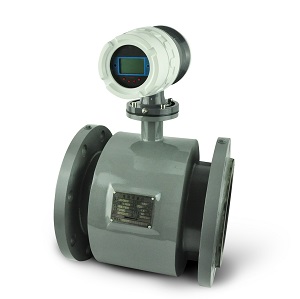 Wastewater Flow Meter
The waste water flow meter is a flow measuring instrument for measuring the volume flow of various conductive fluid or waste water contained solid.
VIEW
Wastewater Flow Meter
The waste water flow meter is a flow measuring instrument for measuring the volume flow of various conductive fluid or waste water contained solid.
VIEW
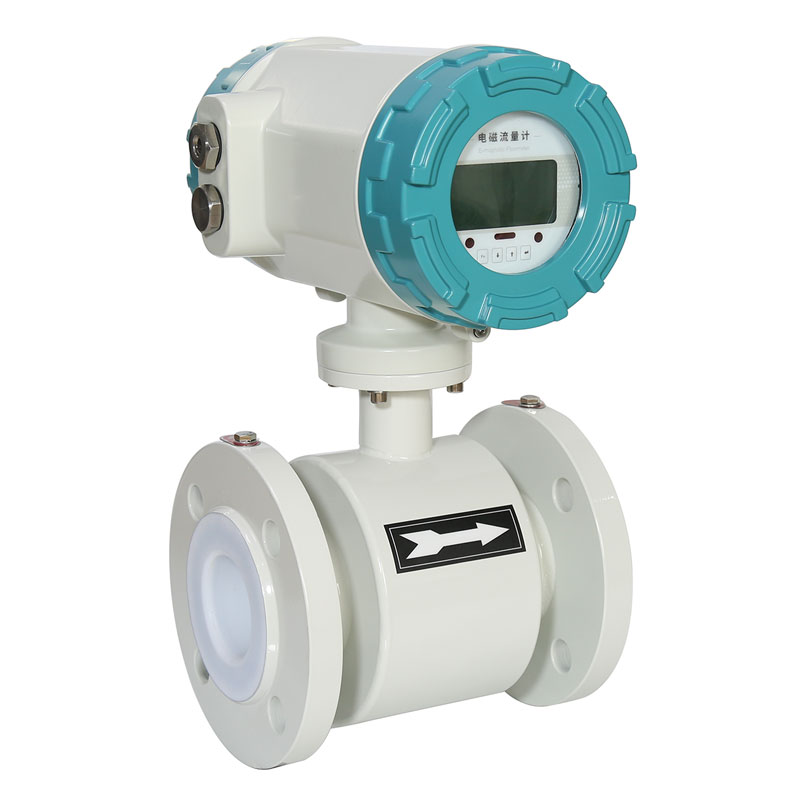 Electromagnetic Flowmeter
Buy Quality Electromagnetic Flow meter from China manufacture in low price and fast delivery time. Get the Mag meter Price cost now from SILVER AUTOMATION INSTRUMENTS.
VIEW
Electromagnetic Flowmeter
Buy Quality Electromagnetic Flow meter from China manufacture in low price and fast delivery time. Get the Mag meter Price cost now from SILVER AUTOMATION INSTRUMENTS.
VIEW