
English
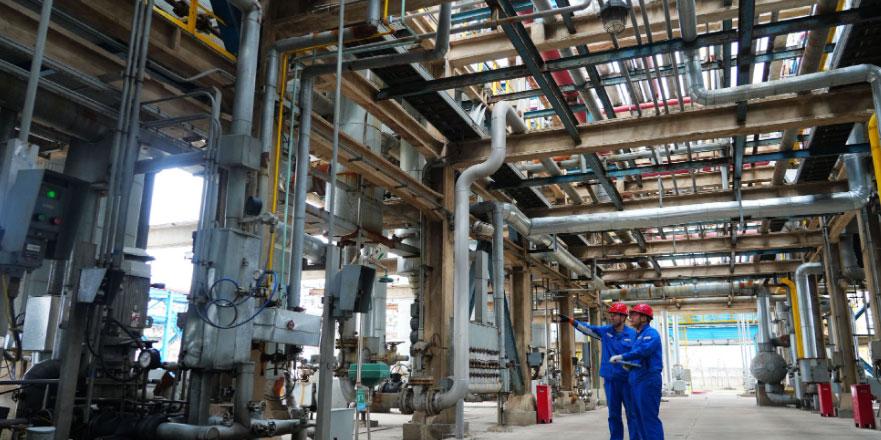
Fuel flow meters for diesel, petrol, kerosene, biodiesel blends, and heavy fuel oil fall into three main technologies: oval gear, turbine, and Coriolis.
Oval gear flow meters cover DN10 to DN200 (3/8 inch to 8 inch) at 0.2 to 0.5 percent accuracy, need no straight pipe run, and handle everything from thin petrol to 2000 cP heavy fuel oil with the right gear set.
Turbine flow meters cost less, run DN6 to DN200 (1/4 inch to 8 inch), and suit clean, low viscosity fuels such as petrol, diesel, and kerosene.
Coriolis mass flow meters hold 0.15 to 0.2 percent accuracy and output mass flow, density, and temperature together, which makes them the standard for custody transfer, bunkering, and fuel blending.
Silver Automation Instruments builds all three technologies in 316L stainless steel or cast steel wetted parts, with 4-20 mA, pulse, HART, or Modbus RTU (RS485) output, including ATEX-rated options for petrol and other volatile fuels.
Fuel is rarely the product itself. It is the input that keeps a genset, a vessel, a fleet, or a process furnace running, which is exactly why it gets under-measured. Nobody budgets a metering line item for something that feels like a utility bill until the utility bill gets too large to ignore.
Engine and burner manufacturers publish fuel consumption curves at the factory. Those numbers hold up on a test bench. On site they drift, because load profile, ambient temperature, fuel quality, and equipment wear all pull the real figure away from the datasheet.
More details : Case Study: Diesel Flow Meter for Boiler and Burner Fuel Supply
Theft is the other driver, and it does not stop at diesel. Petrol dispensing points lose volume to meter tampering. Marine bunker fuel deliveries get shorted between the barge gauge and the ship's tank sounding. Diesel gensets at remote telecom towers and construction camps are an easy target once fuel prices climb. In every one of these cases, the fix is the same: put a flow meter in the line and log the reading, so the gap between delivered and consumed fuel becomes a number instead of a guess.
This is why fuel flow meters now show up across a wider range of applications than diesel alone: petrol and diesel dispensing terminals, marine engine rooms and bunkering skids, biodiesel and used cooking oil blending lines, and portable generator fueling stations.
But the meter itself only solves half the problem. A flow reading that nobody logs is barely better than no meter at all. Most of the sites we work with pair the fuel flow meter output, whether pulse, 4-20 mA, or Modbus RTU, with either an engine controller that already has a spare input, or a small remote terminal unit that pushes daily totals back over a cellular link. The hardware choice at the meter level should be made with that downstream logging path in mind, not in isolation.
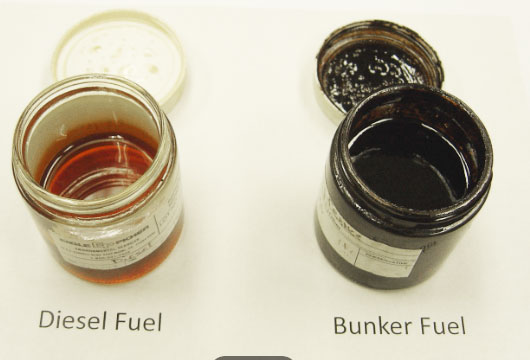
Different fuels using different type flow meters
Fuel flow meter is really a category name for several different fluids, and the right meter changes with the fluid. Here is how we typically match technology to fuel type based on viscosity, hazard classification, mechanical , or digital oil flow meter, and accuracy need.
| Fuel Type | Typical Viscosity | Recommended Meter | Notes |
| Diesel / marine gas oil | 2 to 4 cP | Oval gear or turbine | Most common fuel metering application; see dedicated section below |
| Petrol / gasoline | 0.5 to 0.7 cP | Turbine or oval gear, ATEX rated | Low flash point; hazardous area rating required near dispensers |
| Kerosene / jet fuel | 1 to 2 cP | Turbine or oval gear | Similar handling to diesel; tighter accuracy often specified for aviation fueling |
| Biodiesel / used cooking oil blends | 4 to 40 cP, higher when cold | High viscosity oval gear | Viscosity rises sharply below 10 degrees C (50 degrees F); heat tracing may be needed |
| Heavy fuel oil / bunker fuel (IFO 380, HFO) | Up to 2000 cP heated | High viscosity oval gear or Coriolis | Line usually heated to 40 to 60 degrees C (104 to 140 degrees F) to keep viscosity workable |
| Light crude oil | 5 to 20 cP | Coriolis or oval gear | Coriolis preferred where density and mass balance matter for custody transfer |
Two things stay constant across every row in that table. First, none of these are conductive fluids, so magnetic flow meters are not an option regardless of fuel type. Second, viscosity is the variable that decides gear set, rotor clearance, and sometimes whether the line needs heat tracing before the meter will even turn.
A diesel or heavy fuel oil engine feeds fuel to the injectors under pressure from a lift pump. The injectors use only what the engine needs at that instant and return the rest to the tank through a separate return line. A single meter on the supply line tells you gross fuel delivered to the rail, not fuel actually burned.
To get real consumption, install one fuel flow sensor on the supply line and a second, matched meter on the return line, then subtract the return reading from the supply reading electronically. This applies to diesel and heavy fuel oil systems with a return line. Petrol engines on smaller equipment and most turbine-driven applications do not have a comparable return circuit, so a single in-line meter on the delivery line is usually enough there.
The two-meter subtraction method is harder to execute cleanly than it sounds. Both fuel flow meters need matched calibration and matched pressure and temperature compensation, and a controller or PLC that performs the subtraction in real time without drifting. Most oval gear and turbine transmitters we supply for this application come with 4-20 mA or pulse output specifically so they can feed a PLC or engine controller directly, and Modbus RTU over RS485 is available where several meters share one controller and the customer wants to avoid wiring separate analog loops.
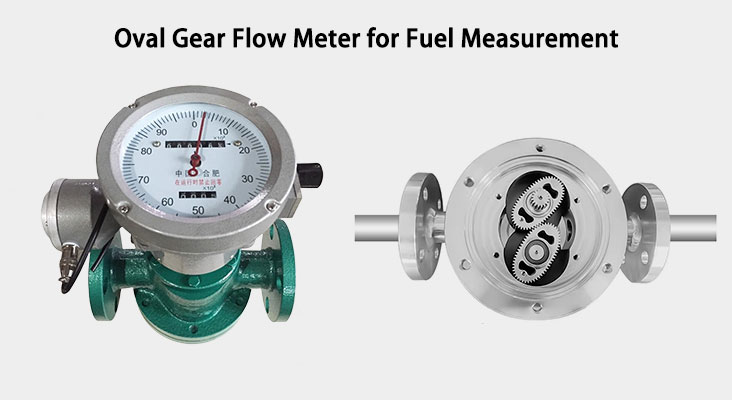
Oval gear flow meters are positive displacement meters. Two oval gears rotate against the meter body, trapping a fixed volume of fuel with every rotation. Count the rotations and you have volume directly, with no dependency on a velocity profile or a minimum Reynolds number.
That is the main reason this technology covers the widest range of fuel types in this guide, from thin petrol to 2000 cP heated bunker fuel. It also does not need a straight pipe run before or after the meter, so installers can mount it right after an elbow, a valve, or a strainer without losing accuracy, which matters on compact skid packages where pipe runs are short by design.
| Parameter | Specification |
| Meter type | Positive displacement (PD), oval gear |
| Sensor size | DN10 to DN200 (3/8 inch to 8 inch) |
| Accuracy | 0.5 percent of reading (standard) or 0.2 percent (high accuracy option) |
| Display options | Mechanical register only, or with pulse/4-20 mA transmitter and local LCD |
| Output signal | 4-20 mA, pulse, HART, or Modbus RTU (RS485) |
| Wetted material | Cast iron, cast steel, or stainless steel body; internal gears in stainless steel or engineering plastic |
| Straight pipe run | Not required |
| Max viscosity | Up to 2000 cP with high viscosity gear option |
| Process connection | Flanged (ANSI, DIN, or JIS) or threaded, size dependent |
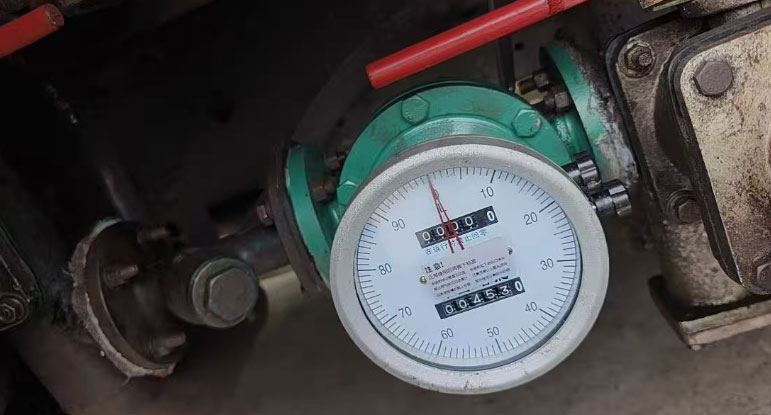
The mechanical register version needs no power at all and reads out in liters or gallons directly on a dial, which is why it still shows up on older genset day tanks and fuel dispensers where a technician just wants a visual total. The transmitter version adds a pulse or 4-20 mA output, plus an option for Modbus RTU when the meter needs to report into a SCADA or fuel management system.
We have shipped high viscosity oval gear meters for biodiesel blended with used cooking oil and for heavier marine gas oil grades. If your fuel runs thicker than standard road diesel, ask for the high viscosity oval gear flow meter option before you order, since the standard gear set is sized for diesel-range viscosity and will show excess pressure drop on anything thicker, including most heavy fuel oil grades below their heated operating temperature.
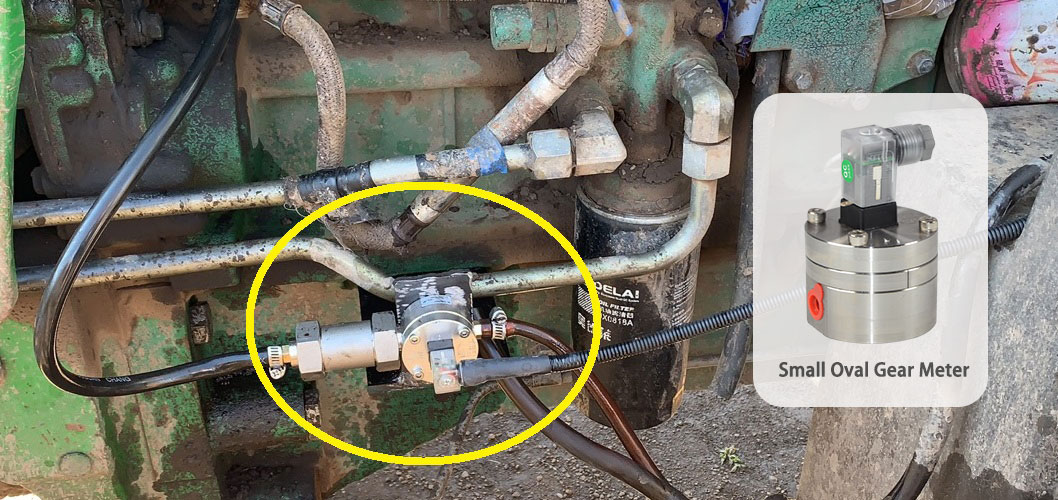
Not every fuel line runs at genset scale. Additive dosing lines, calibration rigs, small engine test benches, and sample taps often carry only a few liters per hour, and a standard DN15 oval gear meter is oversized for that range. It barely turns, and the reading sits at the bottom of its turndown ratio, which is exactly where accuracy suffers most.
For that range, we build a small oval gear flow meter for low flow fuel, DN2 to DN10(3/8 inch), sized specifically for low flow, from a few tenths of a liter per hour up or 10 ml/min to roughly 600 L/h (about 2.6 GPH). The gear set is machined to the same tolerance as the larger sizes, so accuracy still holds at 0.2 to 0.5 percent, and the meter still needs no straight pipe run. We see this size specified most often on lubricating oil metering skids, fuel additive injection systems, and portable flow calibration benches, where the line itself may be only DN4 or DN6 and a standard size meter would add more pressure drop than the pump can overcome. Full sizing details are on our small flow meter category page.
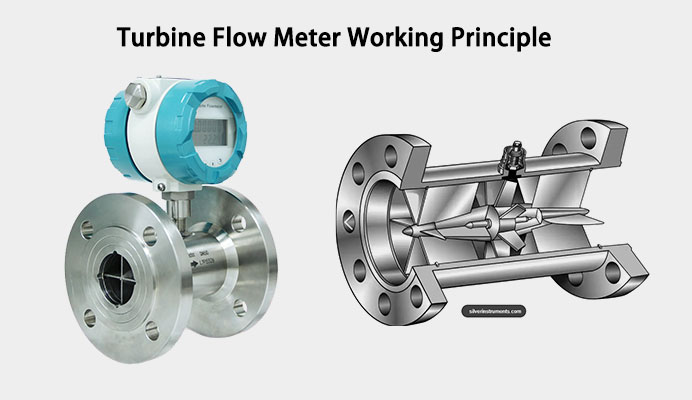
Turbine meters measure fuel flow by spinning a rotor in the flow path and counting rotor revolutions with a pickup coil. They are lighter, cheaper, and more compact than an oval gear meter of the same line size, which makes them the default choice for petrol, diesel, and kerosene where budget or panel space is tight and the fuel is clean.
| Parameter | Specification |
| Meter type | Axial turbine, velocity based |
| Sensor size | DN6 to DN200 (1/4 inch to 8 inch) |
| Accuracy | Typically 1.0 percent of reading; 0.5 percent on select sizes |
| Power options | Battery operated local display, or 12 VDC / 24 VDC external power |
| Wetted material | Stainless steel body and rotor |
| Process connection | Threaded, flanged, or tri-clamp, depending on size |
| Straight pipe run | Typically 5D upstream, 3D downstream |
| Fluid requirement | Clean, low viscosity, non-corrosive liquid |
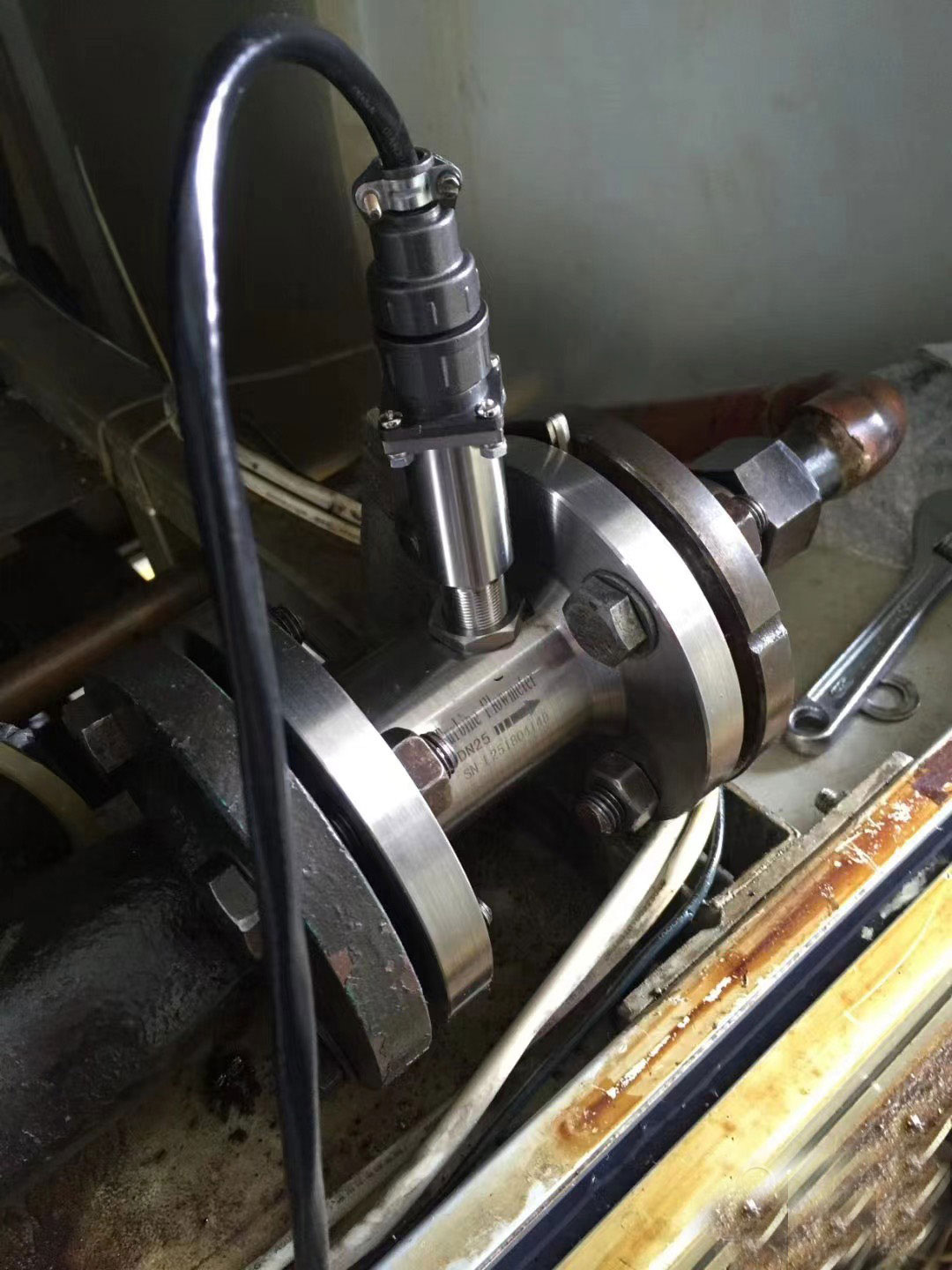
Because a turbine rotor is a moving mechanical part, particulate in the fuel wears the bearings over time. This is not a concern on filtered pipeline diesel or petrol, but it becomes one on older tanks with sediment, or on sites where fuel is delivered by tanker and stirred up during transfer. If your fuel source is questionable, budget for an upstream strainer, or move to oval gear, which tolerates minor particulate with less wear penalty.
For petrol and other fuels with a low flash point, confirm you need an ATEX Zone 1 or equivalent hazardous area rated transmitter before you order. A basic pulse-output turbine flow sensor without a local display is the lowest cost option and is common where the customer already has a PLC or flow computer to do the totalizing. Digital turbine flow meters for fuel are option with electronic display, 4-20mA output, HART or even Modbus
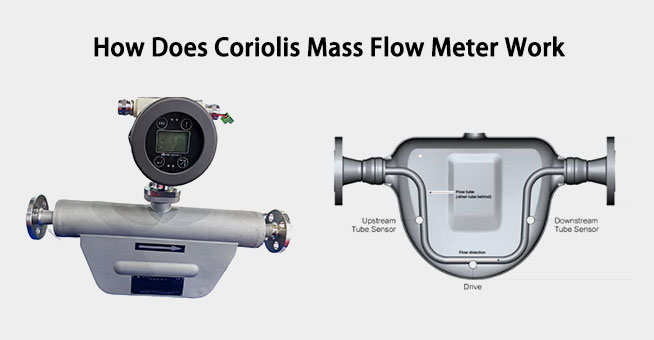
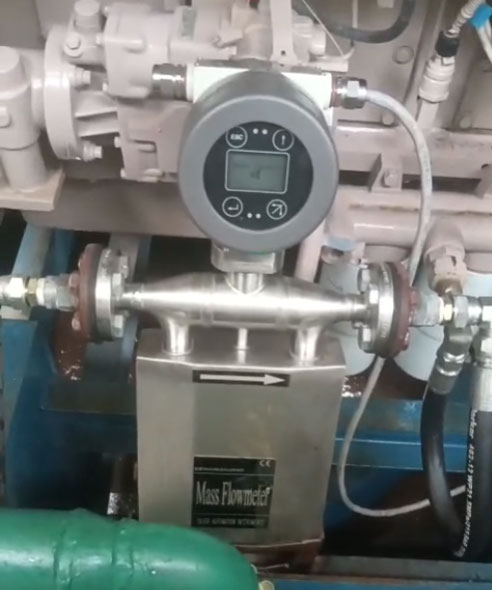
A Coriolis mass flow meter measures mass flow directly by detecting the phase shift induced in a vibrating tube as fuel passes through it, as a high accuracy fuel oil mass flow meter, There is no dependency on fluid velocity profile, viscosity, or density assumptions, which is why this is the technology regulators and terminal operators reach for when money changes hands based on the reading, whether that is diesel bunkering, petrol terminal loading, or crude oil transfer.
| Parameter | Specification |
| Measurement principle | Direct mass flow via Coriolis effect |
| Accuracy | 0.15 percent to 0.2 percent of reading |
| Simultaneous outputs | Mass flow, density, and temperature from one sensor |
| Wetted material | 316L stainless steel |
| Typical application | Custody transfer, bunkering, blending, tanker and terminal loading |
| Output signal | 4-20 mA, pulse, HART, or Modbus RTU (RS485) |
| Straight pipe run | Not required |
The density output is a practical bonus, not just a specification line. Terminal operators use it to flag off-spec or adulterated fuel in real time, without sending a sample to the lab first. This matters most on petrol, where dilution with cheaper solvents is a known problem in some markets, and on bunker fuel, where the same density reading feeds directly into the mass balance used for the delivery ticket.
Coriolis meters need higher line pressure than oval gear or turbine meters of the same size to overcome the pressure drop through the vibrating tube, so check available pressure before specifying, particularly on gravity-fed or low head systems.
For high pressure chemical injection skids or hydrogen fueling stations that also need fuel-range liquid metering on the same platform, we also build a high pressure Coriolis flow meter rated to 700 bar (10,150 psi).
Here is the thing: there is no single best fuel flow meter. The right choice depends on fuel type, line size, budget price, hazard classification, and whether the reading needs to hold up for billing or custody transfer, or just for operational monitoring.
| Criteria | Oval Gear | Turbine | Coriolis |
| Best for | Wide fuel range, no straight run available, high viscosity fuels | Petrol, diesel, kerosene; budget installs; panel space limited | Custody transfer, bunkering, blending, adulteration checks |
| Typical accuracy | 0.2 to 0.5 percent | 0.5 to 1.0 percent | 0.15 to 0.2 percent |
| Relative cost | Mid range | Lowest | Highest, roughly two to four times an oval gear meter of the same size |
| Moving parts | Yes, gears | Yes, rotor | No |
| Density output | No | No | Yes |
| Viscosity range | Widest, up to 2000 cP with option | Low viscosity fuels only | Wide, but pressure drop rises with viscosity |
More details about fuel oil flow meter types:4 Core Technologies for Oil Flow Measurement
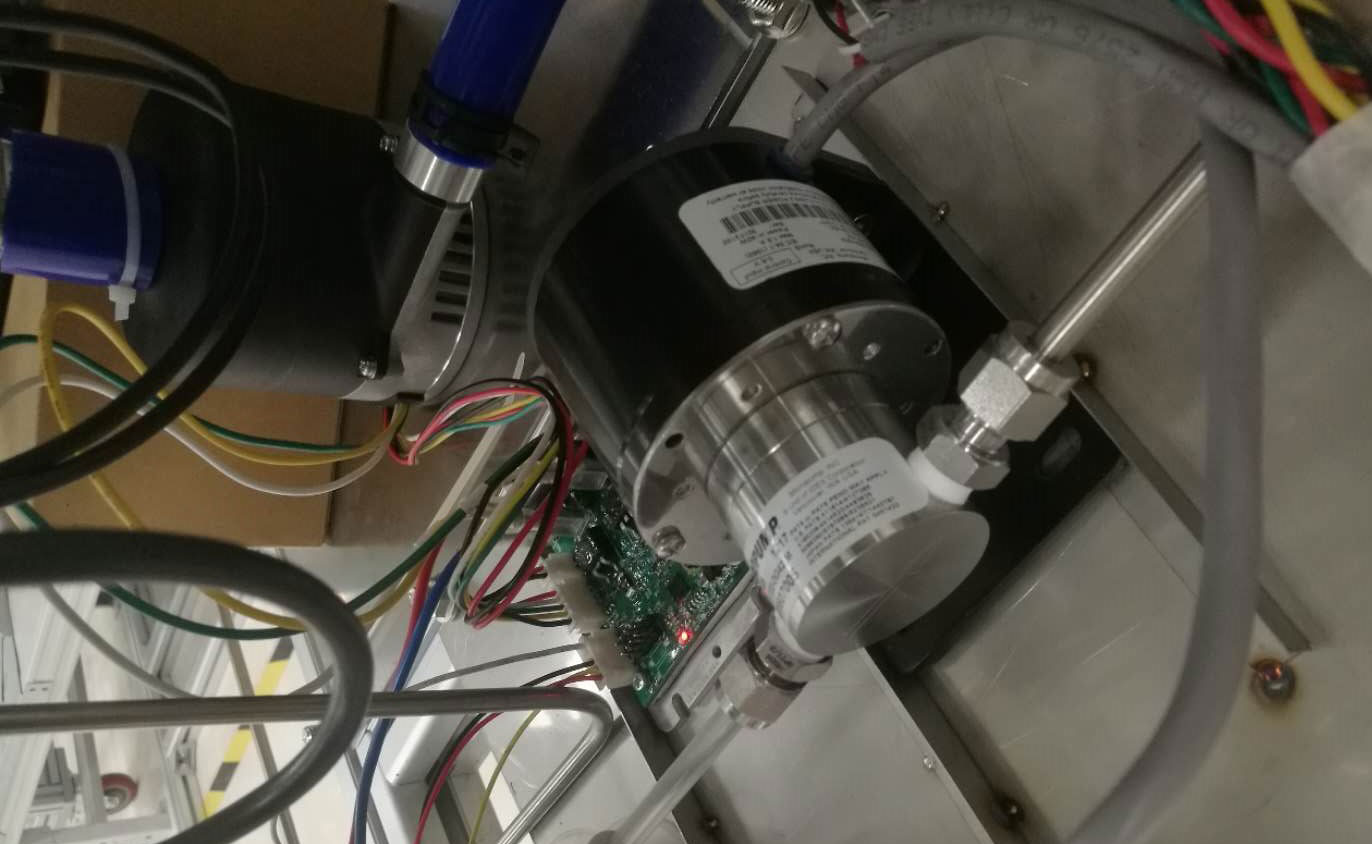
A pattern we see repeatedly across telecom tower operators and construction camps in Southeast Asia and West Africa: a standby genset burns more diesel than the load profile suggests it should, and the site manager cannot tell whether the cause is a worn injector, a bad governor setting, or fuel walking out the tank at night.
The fix in most of these cases is the same. Install a supply-line and return-line oval gear pair with pulse output feeding the genset controller, so daily consumption logs automatically, without a technician dipping the tank. Once the controller has a real number, theft cases and mechanical wear cases separate themselves within a week or two of logged data, because theft shows up as a step change and mechanical wear shows up as a gradual drift.
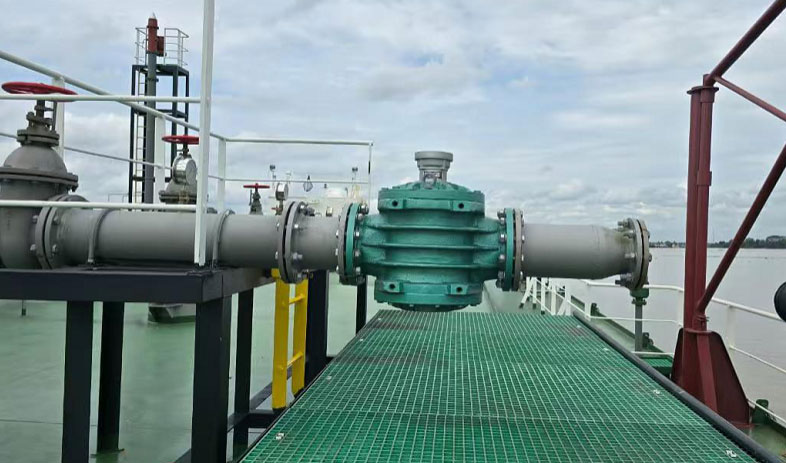
On the marine and terminal side, the recurring question is different: not how much fuel was burned, but whether the volume delivered matches the volume invoiced. A heated high viscosity oval gear meter or a Coriolis meter on the loading line, paired with the density output where fitted, gives both parties a number they can reconcile against the delivery ticket without waiting on a lab sample.
Neither of these is a formal case study with published figures. Both describe recurring patterns behind a large share of the fuel metering inquiries we receive, and they shape which meter type we recommend by default: oval gear with pulse output for engine fuel monitoring, and Coriolis or heated oval gear for custody transfer and bunkering, unless the customer's own site conditions point elsewhere.
A flow meter answers how much fuel moved through a line. Most fuel systems also need to know how much is left in the tank and what pressure the line is running at, and we get asked about both often enough that it is worth covering here.
Fuel level sensors mount in the tank and pair naturally with a supply-line flow meter: the level trend confirms the flow total over time, and a mismatch between the two is usually the first sign of a leak or a bad connection rather than a bad meter.
A diesel fuel pressure gauge upstream of the flow meter is worth adding on any installation where available pressure is uncertain, since low pressure is the most common reason a Coriolis or high viscosity oval gear meter under-reads.
For upstream applications closer to the wellhead or terminal tank farm, our crude oil flow meter line and standard digital diesel fuel flow meter models cover the sizes most commonly requested for loading arms and tanker fueling.
A fuel flow meter drifts for different reasons depending on the technology, and knowing which failure mode applies to your meter shapes how often you should pull it for recalibration.
Oval gear and turbine meters wear mechanically. Gear backlash increases and rotor bearings loosen over years of service, so accuracy drifts slowly downward rather than failing outright. Most operators recalibrate these every 12 to 24 months, or sooner on sites with poor fuel filtration or heavy fuel oil service. Coriolis meters have no moving parts to wear, so the zero point is the main thing to check periodically, particularly after any event that could have introduced trapped air or a pressure spike into the line.
For custody transfer and bunkering contracts, ask for a factory calibration certificate traceable to a recognized standard before the meter ships, and confirm the accuracy figure quoted is for the actual flow range and fuel type you will operate with, since accuracy on some meter types narrows near the bottom of the rated range or changes with viscosity.
Send us your fuel type, pipe size (DN or inch), flow rate range (L/min or GPM), line pressure (bar or psi), operating temperature (°C or °F), and whether the application needs supply-only or supply-and-return metering. We will recommend oval gear, turbine, or Coriolis based on your actual operating conditions and fuel type, not a generic catalog spec.
Browse the full range: oval gear flow meter, liquid turbine flow meter, or contact our engineering team directly at sales@silverinstruments.com.
we will contact you within 24 hours..
For general oil and diesel metering, see our oil flow meter and diesel fuel flow meter pages, or ask about the turbine flow meter options directly.
Related reading: Coriolis mass flow meter selection for diesel oil metering, and how to choose a flow meter.
 High pressure Coriolis flow meter
Max work on 700 bar high pressure. The high pressure type flow sensor is needed in such as chemical injection or hydrogen fueling station.
VIEW
High pressure Coriolis flow meter
Max work on 700 bar high pressure. The high pressure type flow sensor is needed in such as chemical injection or hydrogen fueling station.
VIEW
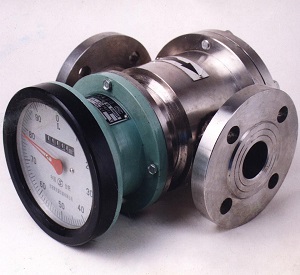 High viscosity oval gear flow meter
 can detect fluids viscosity 2000 cp.
VIEW
High viscosity oval gear flow meter
High viscosity oval gear flow meter can detect fluids viscosity 2000 cp.
VIEW
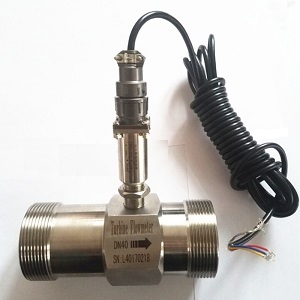 SLW-N Liquid Turbine flow sensor
Low cost turbine flow sensor. Pulse output. Fast response. For low viscosity and low corrosive liquid . Such as water, diesel,alcohol.
VIEW
SLW-N Liquid Turbine flow sensor
Low cost turbine flow sensor. Pulse output. Fast response. For low viscosity and low corrosive liquid . Such as water, diesel,alcohol.
VIEW
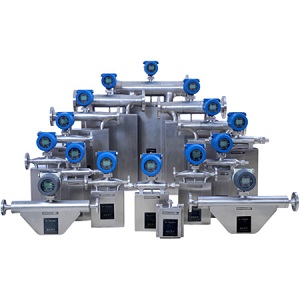 Coriolis Mass Flow Meter
Direct mass flow measurement. High accuracy: 0.1 %~0.2%. Also measure density, temperature, pressure. For all fluids measurement.
VIEW
Coriolis Mass Flow Meter
Direct mass flow measurement. High accuracy: 0.1 %~0.2%. Also measure density, temperature, pressure. For all fluids measurement.
VIEW
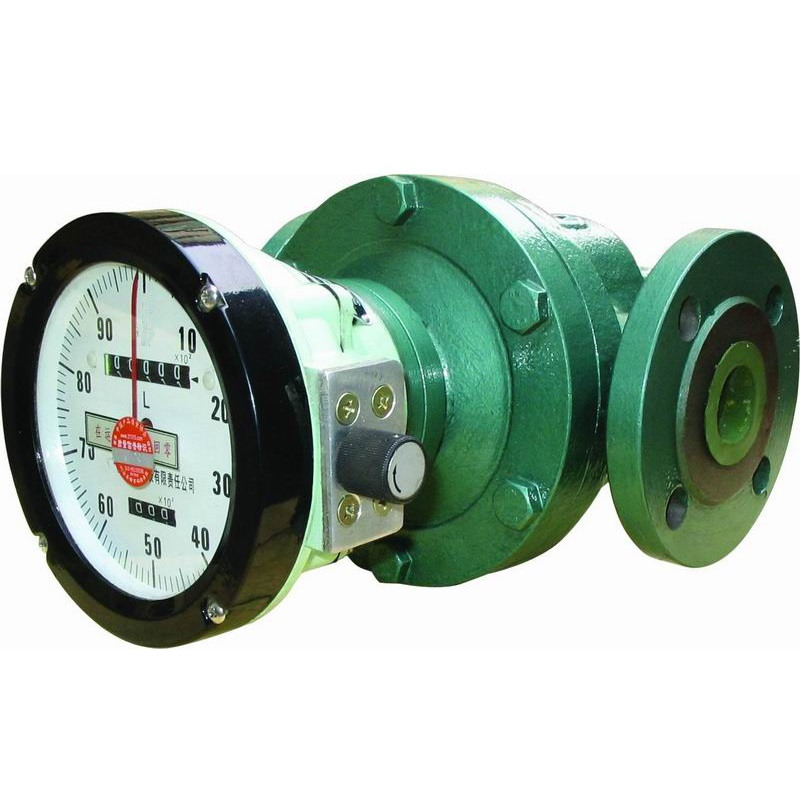 Oval Gear Flowmeter
Oval Gear Flow meter is for diesel, crude oil, resin, fuel, heavy oil flow measurement. PD flow meter is with mechanical register or digital display, Inquiry Price now.
VIEW
Oval Gear Flowmeter
Oval Gear Flow meter is for diesel, crude oil, resin, fuel, heavy oil flow measurement. PD flow meter is with mechanical register or digital display, Inquiry Price now.
VIEW
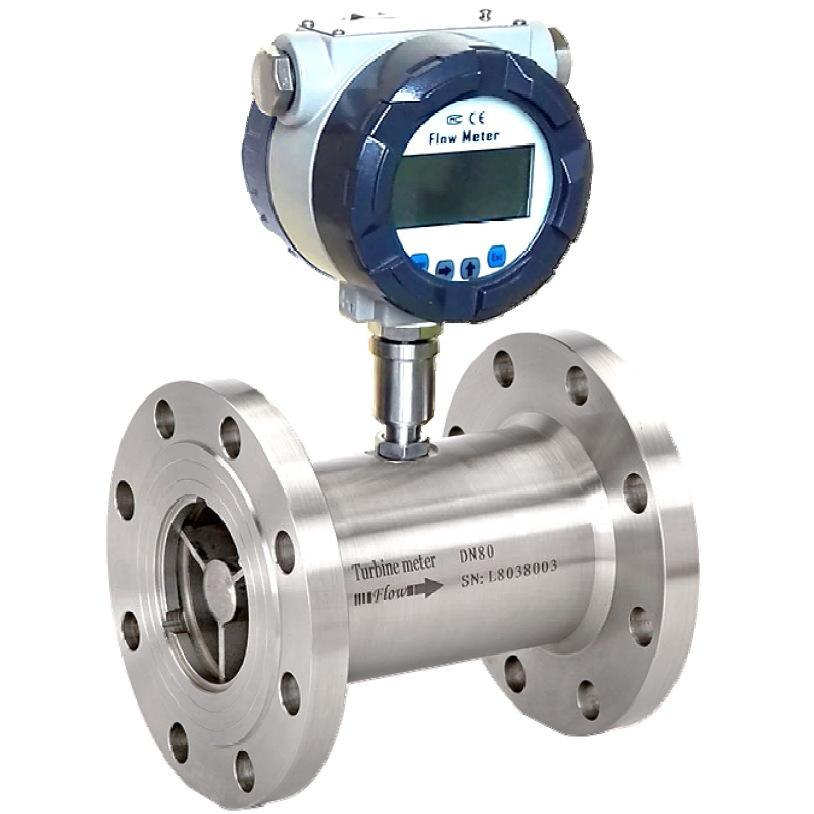 Liquid Turbine Flow Meter
Liquid Turbine flow meter is a kind of low cost digital flow meter for diesel ,petrol,water,palm oil. it is for clean, low viscosity ,non-corrosive liquid.
VIEW
Liquid Turbine Flow Meter
Liquid Turbine flow meter is a kind of low cost digital flow meter for diesel ,petrol,water,palm oil. it is for clean, low viscosity ,non-corrosive liquid.
VIEW