
English
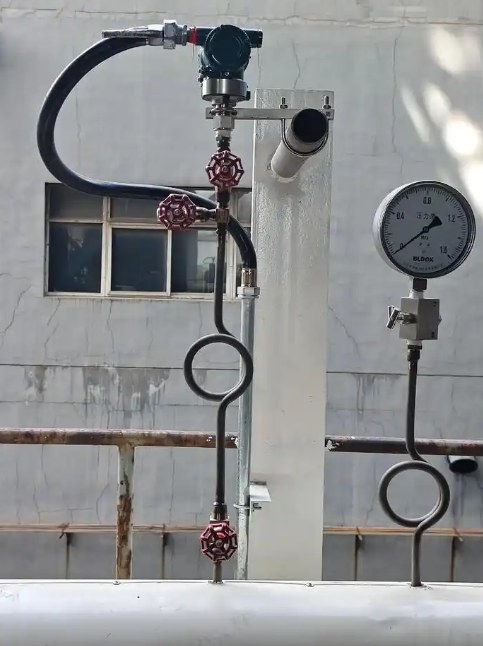
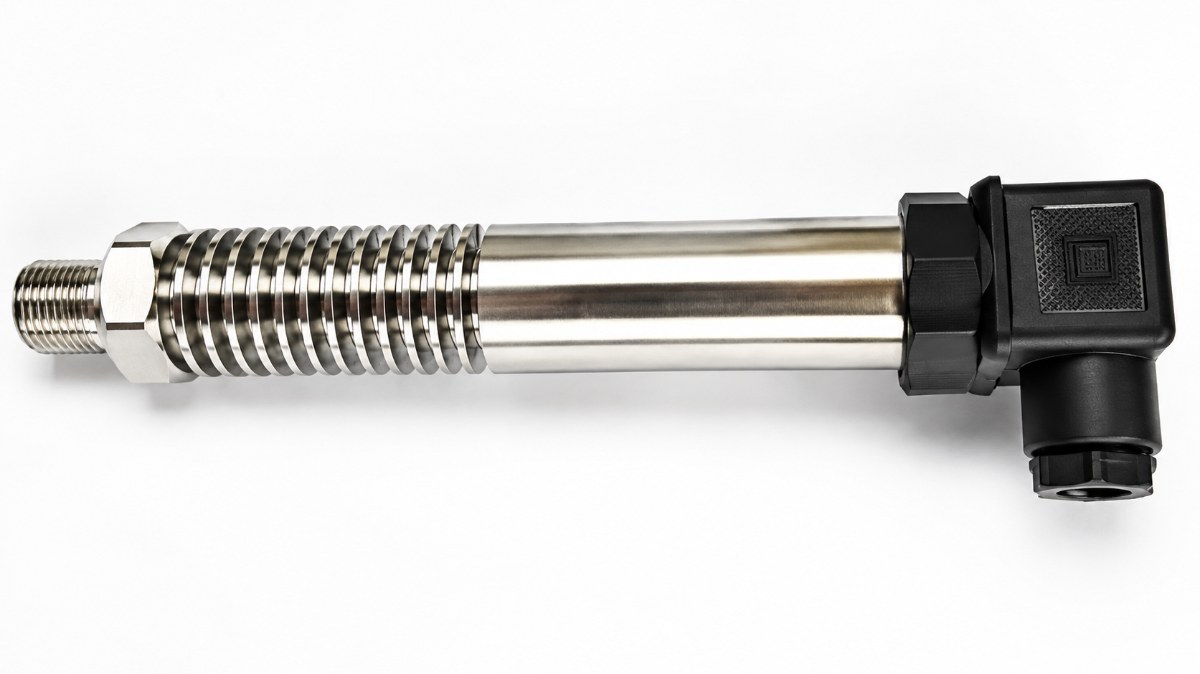
A steam pressure transmitter needs protection from process heat before anything else. This is handled with a high temperature radiator option (up to 350°C) for direct mounting, or a diaphragm seal with capillary for remote mounting away from the hot line.
On saturated or superheated steam, always fit a condensate loop (pigtail or siphon) between the process tap and the transmitter, even with a high temperature radiator fitted. The loop fills with condensate and keeps live steam from touching the sensor directly.
Common steam pressure ranges run from 0-1.6 MPa on low-pressure heating loops up to 0-4.0 MPa or higher on boiler headers. Output options are 4-20 mA, HART, or RS485 Modbus RTU.
A standard pressure transmitter sensor, piezoresistive or capacitive, has an upper temperature limit well below live steam temperature, which is around 80°C. Saturated steam at 1.0 MPa gauge already sits around 184°C, and superheated steam on a boiler header can run past 300°C. Put the sensor diaphragm directly in that path with no protection and it drifts, then fails, often within weeks rather than years. The fix is keeping the hot steam away from the pressure sensor chip while still transmitting the pressure accurately, and three proven methods handle that, depending on your installation.
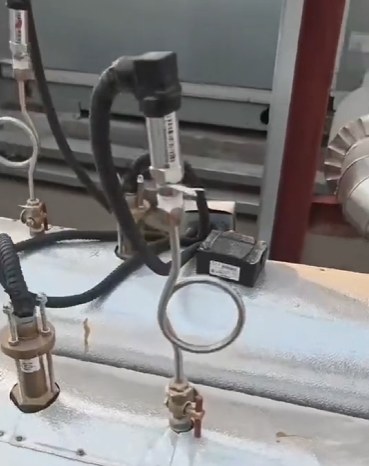
The most common approach on steam headers is a condensate loop, also called a pigtail or siphon, installed between the process tap and the transmitter. Steam entering the loop cools and condenses, and the condensate that collects acts as a heat buffer, so the transmitter reads pressure through a column of water rather than through live steam.
With a properly filled condensate loop, a standard transmitter often handles saturated steam up to moderate pressure without any further change. For higher process temperature, or as a safety margin against the loop running dry, add a high temperature radiator option, which extends the steam pressure sensor's safe operating point up to 350°C at the process connection.
Important: a condensate loop must be filled before commissioning. An empty loop on first startup exposes the sensor to full steam temperature immediately, which defeats the purpose of fitting it.
A simple pigtail loop works well on moderate saturated steam, but on hotter or higher pressure lines a single bend does not always give the steam enough contact surface to fully condense before it reaches the sensor. A coiled condensate loop, made by winding several turns of tube instead of one U-bend, solves this. The extra tube length and surface area cool and condense the steam more completely, so the transmitter sees a stable water column even on hot boiler headers.
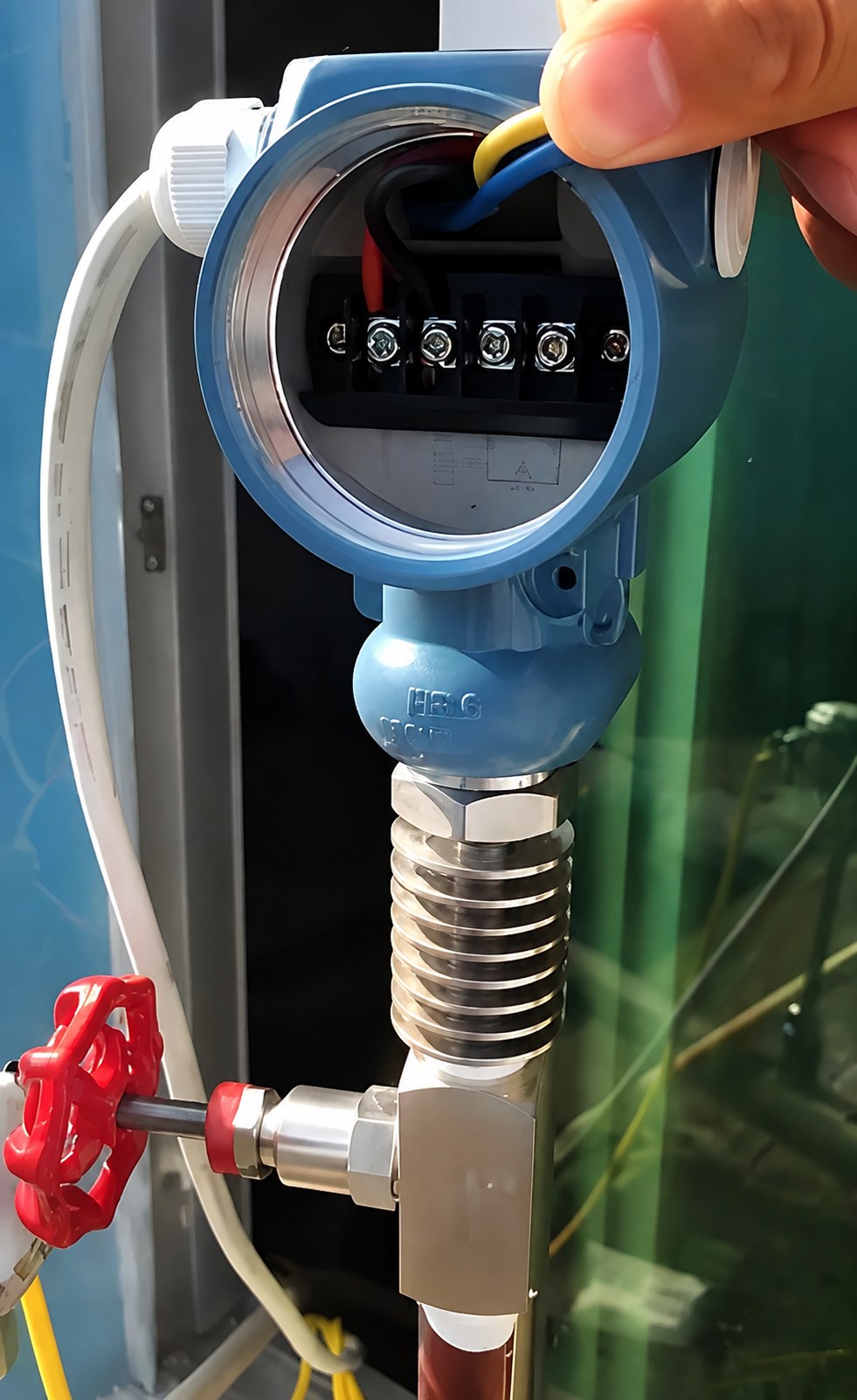
This coil is usually fabricated on site or ordered as a pre-formed accessory in the same material as the process piping, most often 316 stainless steel for boiler service. It fits between the block valve and the transmitter, in the same position a straight pigtail would occupy, and is often paired with the high temperature radiator option for extra margin on lines running above 250°C.
When to use a coil over a simple pigtail: high pressure superheated headers, locations with limited vertical space where a single loop cannot form a deep enough U-bend, or sites with a history of loops running dry between shutdowns.
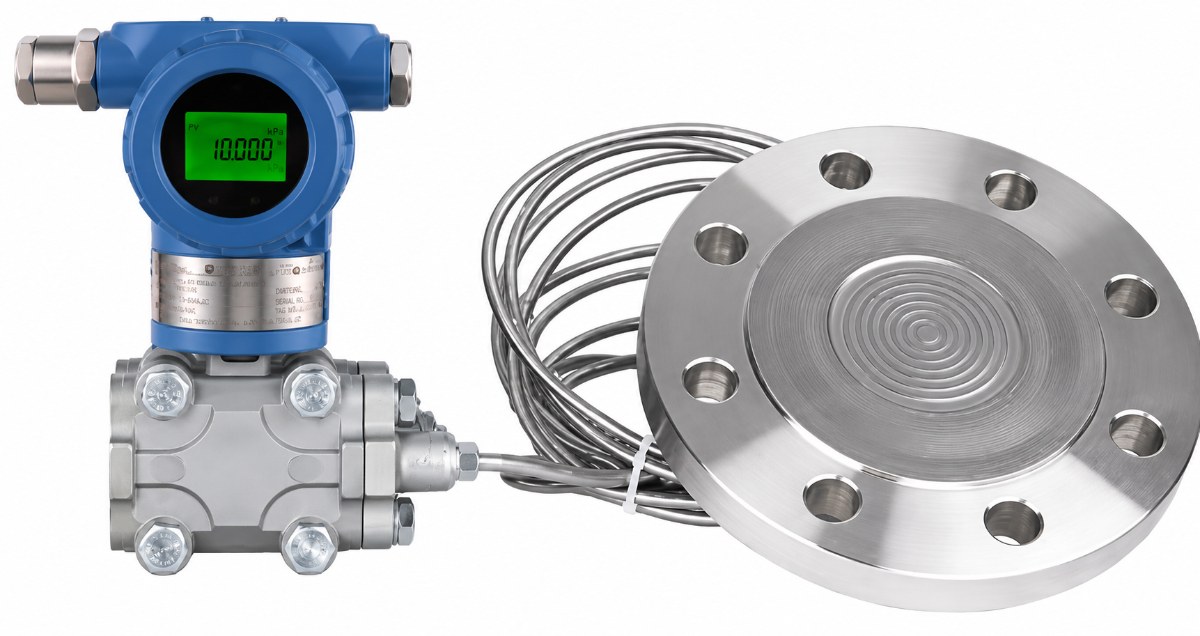
On higher pressure boiler headers, or where the tap point is awkward to reach for maintenance, a flanged diaphragm seal connected to the transmitter by a capillary tube works better. The seal diaphragm contacts the process directly, a fill fluid transmits the pressure through the capillary, and the transmitter mounts away from the hot pipe, often where ambient temperature is manageable and easier to reach.
This configuration costs more than a condensate loop setup, so it is usually reserved for high pressure superheated steam, locations with heavy vibration or poor access, or where the transmitter needs to sit at eye level for a technician rather than up on the header itself.
Steam pressure ranges vary widely by application. The table below gives typical spans seen on common steam services. Always size the steam pressure transmitter so normal operating pressure sits in the middle third of the range, not right at the top, to protect long-term accuracy and give headroom for pressure spikes.
| Application | Typical Range | Typical Accuracy |
| Low-pressure heating loop | 0 ~ 1.0 MPa | 0.2 ~ 0.5% FS |
| Process steam header | 0 ~ 1.6 MPa | 0.1 ~ 0.2% FS |
| Boiler outlet, mid-pressure plant | 0 ~ 2.5 MPa | 0.1 ~ 0.2% FS |
| High-pressure boiler header | 0 ~ 4.0 MPa | 0.1% FS |
| Superheated steam, high duty | 0 ~ 6.0 MPa and above | 0.1% FS, confirm on inquiry |
A steam pressure transmitter typically supports 4-20 mA analog output, HART, and RS485 Modbus RTU (Modbus TCP/IP is not supported on most industrial pressure transmitter lines). For boiler efficiency calculations that combine pressure with a steam flow meter, a shared Modbus RTU bus between the pressure transmitter, temperature sensor, and flow meter simplifies wiring back to the control system.
Clean saturated or superheated steam is not corrosive, so a standard 316L isolation diaphragm handles most steam pressure applications without any special material upgrade. Reach for Hastelloy, tantalum, or titanium only when the steam line carries carryover from an aggressive process, not for plain boiler or utility steam.
We regularly see a steam pressure transmitter and a vortex steam flow meter requested together, both reporting over RS485 Modbus RTU so the plant can calculate mass flow and track boiler efficiency without a separate flow computer. Fitting the pressure transmitter with a condensate loop and, on hot headers, a high temperature radiator, has proven reliable on the boiler house projects we support. This describes a general, recurring project pattern rather than one specific completed installation; send us your actual pressure, temperature, and tap location and we will confirm the right configuration for your site.
Silver Automation Instruments manufactures a steam-ready pressure transmitter under the SH316 series, covering the condensate loop and high temperature radiator approach as well as the diaphragm seal with capillary remote mount described above. Full specifications, process connection options, and the online inquiry form are available at silverinstruments.com.
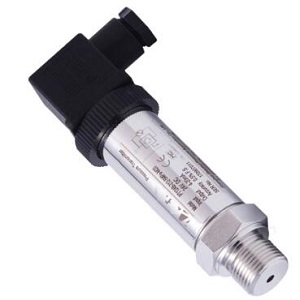 SH316 Pressure Sensor
Low cost Pressure sensor. Piezoresistive sensor. Compact design. Pressure sensor with 4-20mA. For gauge,absolute or negative pressure.
VIEW
SH316 Pressure Sensor
Low cost Pressure sensor. Piezoresistive sensor. Compact design. Pressure sensor with 4-20mA. For gauge,absolute or negative pressure.
VIEW
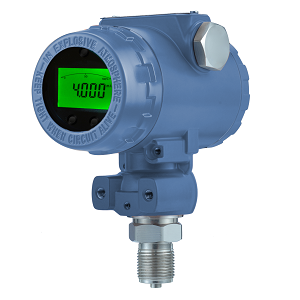 SH 308 Series Pressure Transmitter
Piezoresistive pressure cost is low; High pressure transducer max 10000 PSI; ATEX approved
VIEW
SH 308 Series Pressure Transmitter
Piezoresistive pressure cost is low; High pressure transducer max 10000 PSI; ATEX approved
VIEW
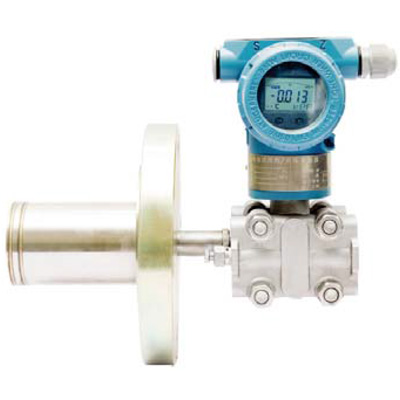 Pressure and DP Transmitter with Flange Diaphragm
Flange diaphragm Transmitter. For pressure , level or DP; Digital transmitters with LCD display; HART, 4-20mA or MOUBUS;
VIEW
Pressure and DP Transmitter with Flange Diaphragm
Flange diaphragm Transmitter. For pressure , level or DP; Digital transmitters with LCD display; HART, 4-20mA or MOUBUS;
VIEW