English
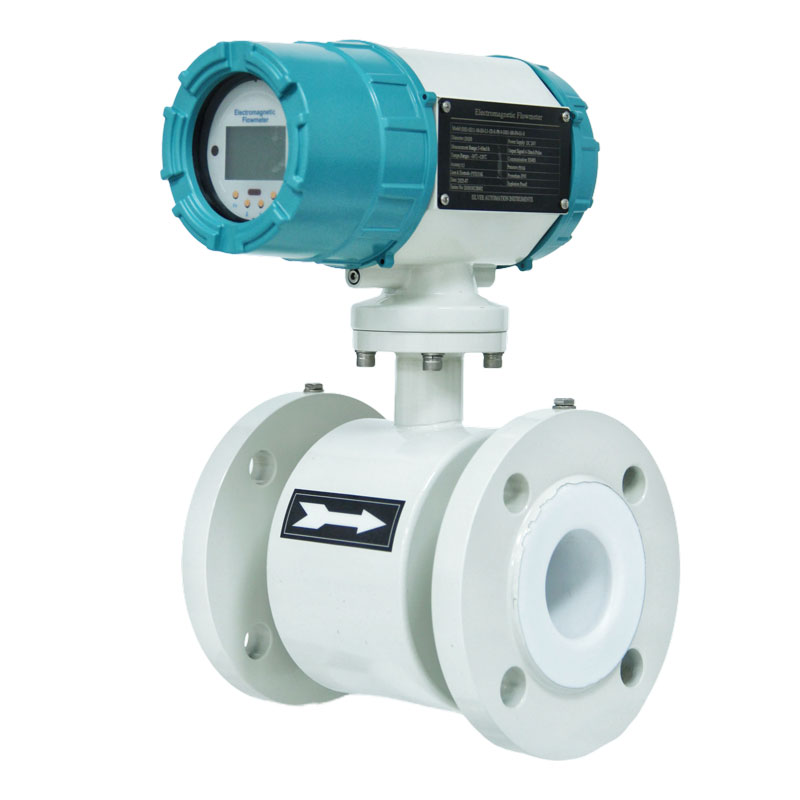
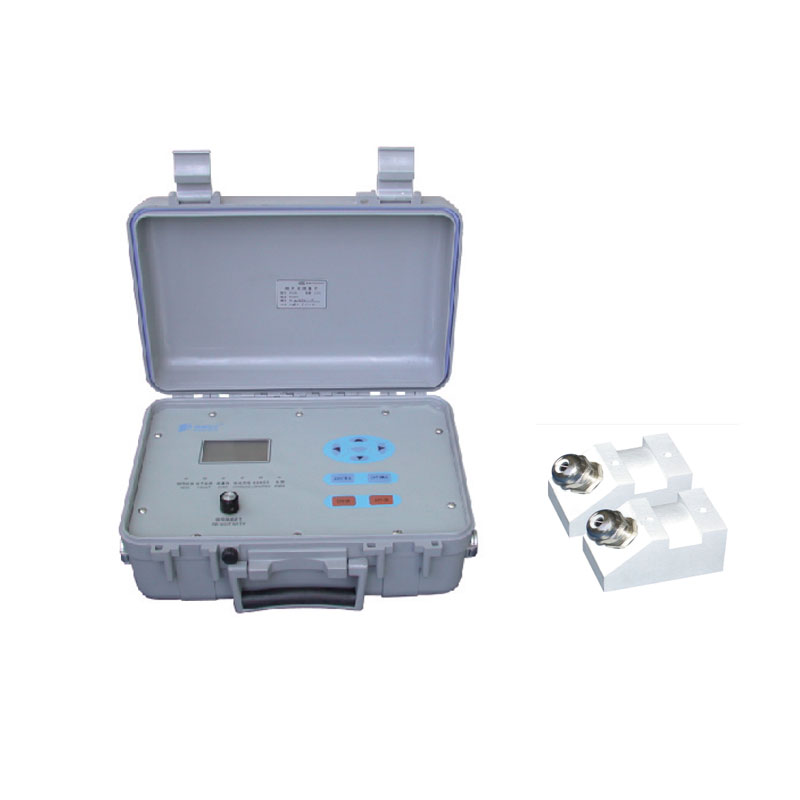
Doppler ultrasonic flow meter clamp on type for waste water flow measurement non-invasive type.
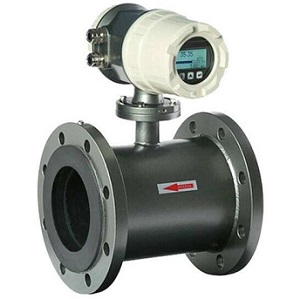
SHD-SE16 Series Slurry Magnetic Flow Meter is for flow measurement in high-noise slurry applications; flow sensors for sludge, slurries and solids.
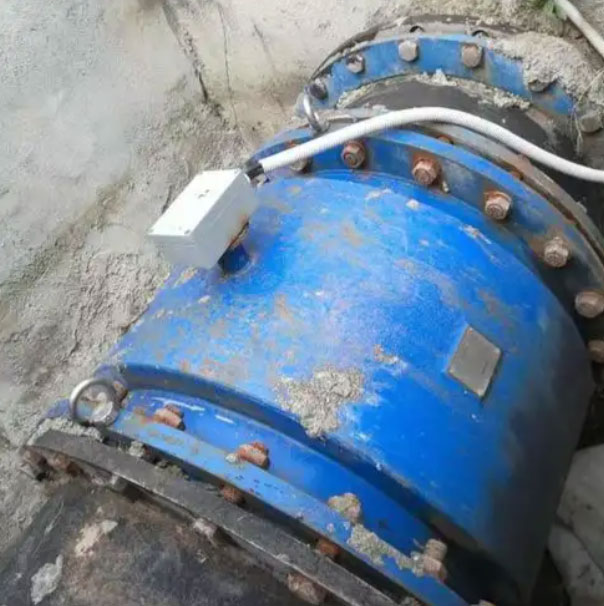
In scenarios such as sewage treatment and industrial drainage monitoring, sewer flow meters are essential core equipment. It not only relates to whether sewage discharge meets environmental standards, but also directly affects the operating costs and process optimization of enterprises. Many companies face the challenge of selecting sewer flow meters when dealing with wastewater related work - choosing the right one can be worry free and efficient, while choosing the wrong one may result in frequent malfunctions, data distortion, and even environmental penalties.
Firstly, environmental compliance is a mandatory requirement. The current environmental supervision is becoming increasingly strict, and data such as sewage discharge and concentration need to be accurately recorded and reported. The measurement accuracy of flow meters directly determines the credibility of the data, avoiding fines for enterprises due to data errors.
Secondly, the core requirement of cost controls. By accurately measuring the sewage flow rate, enterprises can optimize the dosage of chemicals and the operating parameters of water pumps; reduce resource waste, and lower treatment costs.
In addition, the important basis for process optimization also relies on sewage flow meters. Real time flow data can help workers detect problems such as pipeline leaks and equipment abnormalities in a timely manner, ensuring the stable operation of sewage treatment systems.
How to choose suitable sewer flow meter from various sewage flow meters on the market?
The core principle is to adapt to the usage scenario, meet measurement needs, and balance operation and maintenance costs. The following provides a detailed explanation of the selection logic by combining the two most commonly used types.
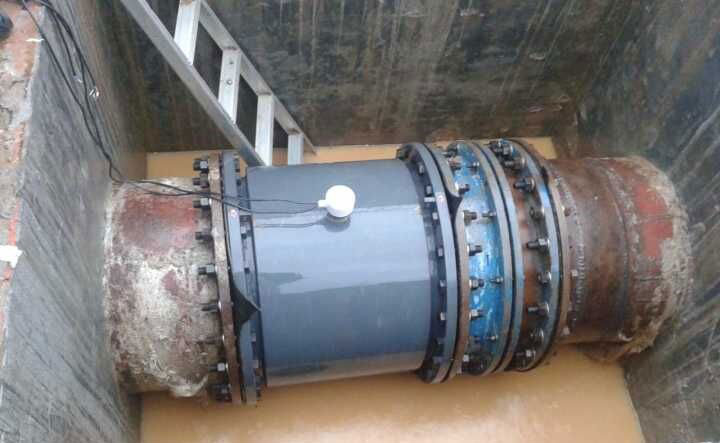
Electromagnetic flowmeter is the "main force" in sewage measurement and also the most widely used type. Its working principle is based on the law of electromagnetic induction, which calculates the flow rate by measuring the electromotive force generated by the cutting of magnetic induction lines by conductive liquids.
Why we prefer magmeter as sewer flow meters?
The outstanding advantage of this sewer flowmeter is its high measurement accuracy, which can reach an accuracy level of ± 0.5%, and is not affected by suspended particles in sewage. Even sewage containing mud, sand, and fibers can be measured stably.
At the same time, there are no obstructive components in its pipeline, its design is full bore flow meter, making it difficult to block and maintenance at a low cost.
It is particularly suitable for fluids with conductivity greater than 5 μ S/cm, such as industrial wastewater and municipal wastewater.
Attentions to choose correct magnetic type sewer flow meter
However, when choosing the sewer flow meter, attention should be paid to ensuring that the sewage has sufficient conductivity and better free from bubbles, we also need to ensure that the sewer water should be filled with water, and the installation should meet the requirements of the front and rear straight pipe sections to avoid magnetic field interference.
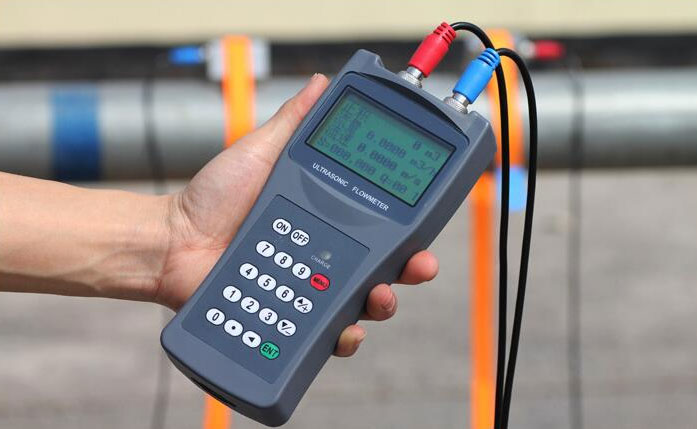
Ultrasonic sewage flow meters are "flexible" and can be installed in external clamping, insertion, and other ways without damaging pipelines. They are particularly suitable for the renovation of old pipe networks or situations where water cannot be stopped or you temporarily want to detect the sewer water flow rate.
Advantages to choose ultrasonic flow meter for sewage measurement
It uses the propagation time difference of ultrasound in sewer fluid to calculate flow rate, and non-contact flow measurement is its biggest highlight. It is not affected by sewage water corrosion and wear, not contact with measured sewage, and has a long service life.
This non-contact flowmeter is suitable for various pipe diameters, ranging from a few centimeters like DN32 to several meters (like DN2000), and can be easily installed without the need for a professional construction team.
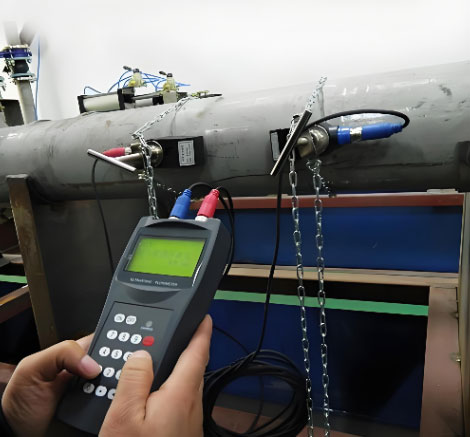
Portable sewer flow meters can be regarded as a "sharp tool" for temporary monitoring, with significant advantages: no need to damage pipelines, easy access and use, suitable for emergency detection, multi-point inspection and other scenarios, zero threshold installation and convenient mobility. The principle can be divided into two categories: the time transit flow meter method uses the time difference between the forward and backward propagation of ultrasonic waves to calculate the fluid velocity and flow rate, which is suitable for sewage with relatively uniform water quality; The Doppler ultrasonic flow meter calculates flow rate by shifting the reflection frequency of suspended particles and bubbles in wastewater when sound waves encounter them, and is suitable for wastewater with high impurities. Both can quickly and accurately output data, meeting the efficient needs of on-site monitoring
Attentions to choose ultrasonic waste water flow meter
However, it should be noted that if the sewage contains a large number of bubbles and suspended particles, it may affect the propagation of transit time ultrasonic waves and increase measurement errors, you may need to consider Doppler ultrasonic flow meter. Therefore, it is more suitable for sewage scenarios with relatively uniform water quality and low impurity content.
In addition to type selection, several key indicators need to be considered: the measurement range should match the actual sewage flow rate to avoid inaccurate data caused by excessive or insufficient range; The protection level should be selected according to the installation environment, and IP67 or above should be selected for outdoor or humid environments; The data output function should meet the monitoring requirements, and sewage flow meters that support 4-20mA signals and RS485 communication are more convenient for data networking management.
There is no absolute "best" sewage flow meter, only those who are suitable for the scene are the best. Electromagnetic flow meters are the preferred choice for full pipe sewage, such as the SE11 series electromagnetic flow meters from silverinstruments.com, which are resistant to dirt and have an accuracy of ± 0.5%. The product operates very stably and is suitable for industrial and municipal sewage; For scenarios with large pipe diameters or where production cannot be stopped, an non-contact ultrasonic flowmeter is more suitable. The best choice is to consider water quality, pipe diameter, installation conditions, and balance accuracy and maintenance costs.
In short, choosing a sewer flow meter does not require blindly pursuing high-end models. The key is to "prescribe the right medicine" - based on the sewage quality, pipeline conditions, installation environment, and monitoring needs, taking into account the precision and stability of electromagnetic flow meters and the flexibility and convenience of ultrasonic flow meters, in order to select the most cost-effective and suitable equipment for one's own needs, and provide reliable data support for sewage treatment work.
we will contact you within 24 hours..