
English
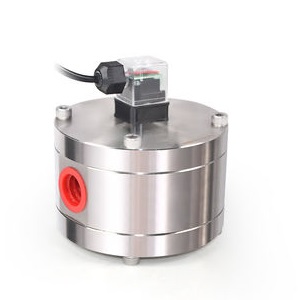
Suitable for high viscosity and low flow rate liquid, min flow it can detect is 0.004 l/m, it can measure polymer, resin, glue, wax, syrup ,grease flow rate.
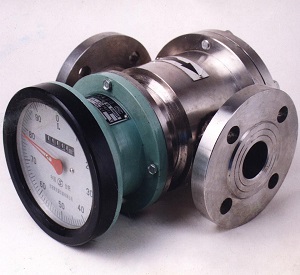
High viscosity oval gear flow meter can detect fluids viscosity 2000 cp.
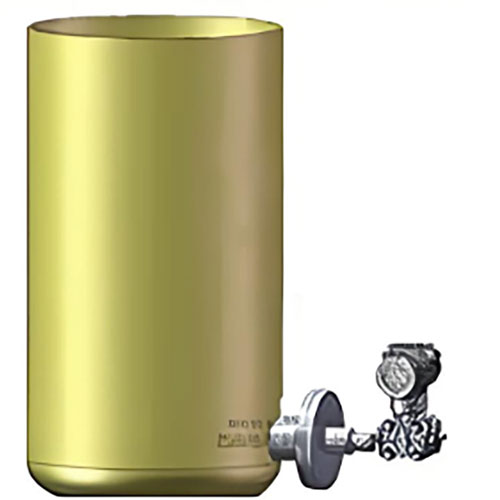
The Flange-mounted pressure transmitter works based on the core principle of "pressure changes height". After being installed at the bottom of the storage barrel, the sensing element directly contacts the liquid sugar. The higher the height of liquid sugar, the greater the pressure generated on the bottom, both of which satisfy the physical formula P=ρ gh (P is pressure, ρ is liquid sugar density, g is gravitational acceleration, h is liquid level height). After the transmitter captures the pressure signal, it will automatically convert the actual height based on the preset syrup density, and then transmit it to the control system through a 4-20mA standard signal to achieve real-time height monitoring. The entire process does not require complex pipelines, signals are transmitted directly, and data is more accurate.
The core difficulties in measuring syrup focus on three points:
High viscosity liquid level measurement
first, high viscosity. Liquid sugar has a much higher viscosity than ordinary liquids, making it easy to stick to the sensor surface, resulting in slow pressure transmission and channel blockage;
Easy Level measurement in crystallization-prone fluids
Secondly, it is prone to crystallization. When the temperature fluctuates or is left to stand, liquid sugar will precipitate crystals, which will directly render the measurement ineffective after wrapping the probe;
High temperature liquid level measurement
The third issue is high temperature, as the temperature of liquid sugar during production often reaches 80-120 ℃, which can affect the stability and service life of ordinary sensors. The combination of these three issues imposes particularly strict requirements on measuring equipment.
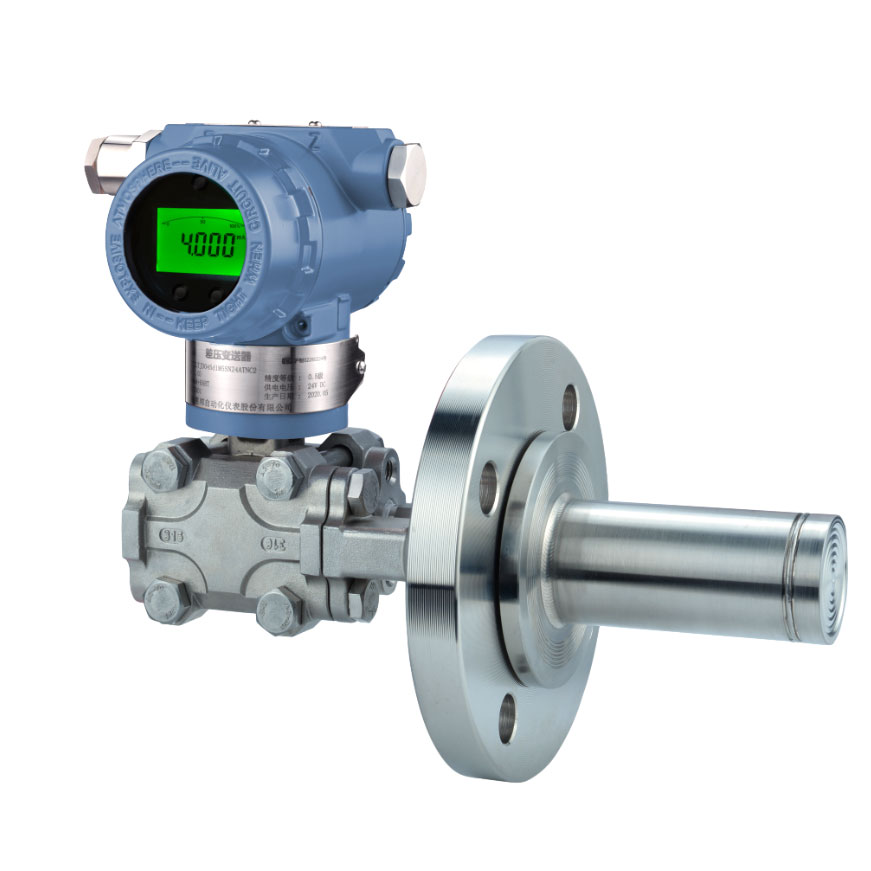
High viscosity liquids such as liquid sugar, viscous oils, and slurries create a specific problem for pressure transmitters. Poor fluidity means the medium easily adheres to the inner walls of pipelines or equipment gaps. This buildup blocks the pressure pipes and sensing channels in ordinary transmitters, and it also leaves the probe prone to crystallization over time.
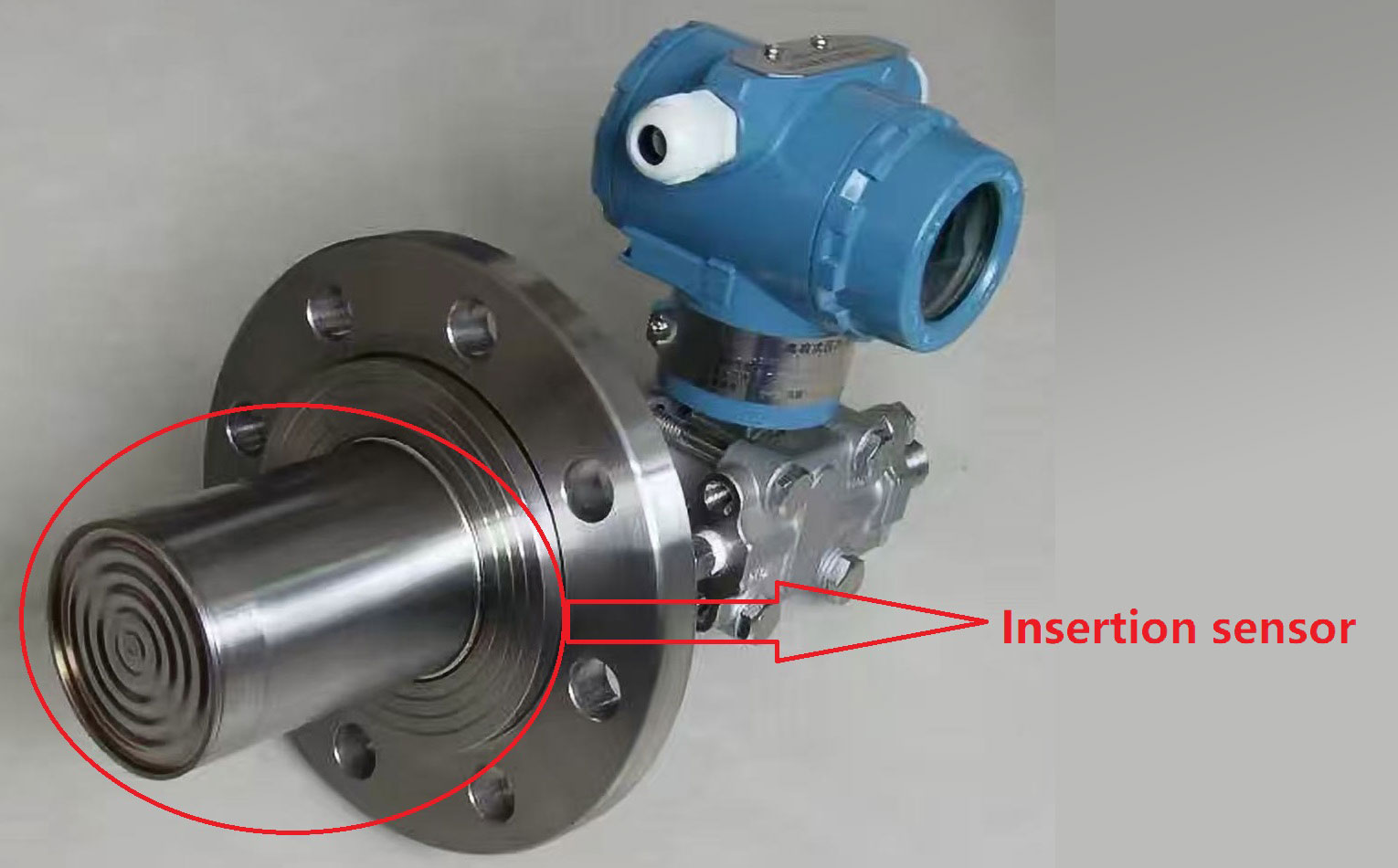
The extended length transmitter avoids this with a direct insertion design. The sensing element goes straight into the medium storage container through the plug-in barrel, so there's no pressure piping in the path at all. Contact between the sensing element and the medium is direct, with no extra channels or dead corners for material to collect in. Thick syrup or molasses can't build up on the probe, and the pressure transmission path stays short and clear. This removes the blockage risk that ordinary transmitters face and keeps pressure and level readings continuous and stable.
For liquid sugar specifically, the probe is built from 316L stainless steel or Hastelloy alloy, with a polished surface finish that further cuts down on medium adhesion. Even under high viscosity conditions, the smooth surface keeps buildup from forming on the probe itself.
The sensing element uses a high-sensitivity ceramic capacitor design, so it picks up small pressure changes and responds quickly even when the liquid level only shifts slightly.
The parameters of this pressure transmitter fully meet the needs of sugar factories:
we will contact you within 24 hours..