
English
Case share: Oval Gear Flow Meter for Hot Bitumen: DN150 with Steam Heat Jacket 6 Inch Pipe | 200 degC Max | External Heat Jacket | High-Viscosity Asphalt Metering
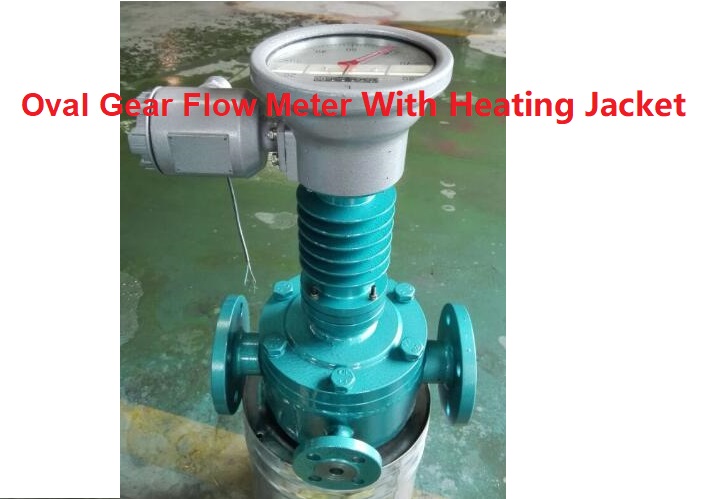
For DN150 (6 inch) bitumen metering at up to 200 degC, a jacketed oval gear flow meter is the correct choice. The external steam or thermal-oil heat jacket keeps the bitumen above its pour point throughout the measurement chamber, preventing viscosity surge and seizure of the gear mechanism. Silver Instruments supplies DN150 jacketed oval gear meters rated to 200 degC with flanged process connections and 4-20 mA output as standard. No other positive-displacement type offers comparable reliability at this pipe size for hot asphalt service.
Tom Hanf, Purchasing Manager at Catbridge (based in New Jersey, USA), contacted Silver Instruments looking to quote an oval gear flow meter for hot bitumen service on a 6 inch pipeline. Operating temperature was 200 degC maximum. He asked specifically about the jacketed option, which told us his team already understood the core problem with bitumen metering: if the fluid cools inside the meter, it stops flowing. And the meter seizes.
Catbridge is a manufacturer of coating and laminating machinery. Hot melt adhesives, asphalt-based coatings, and viscous polymer systems are part of their process. A 6 inch bitumen line at 200 degC is a serious metering challenge. The flow rates are moderate but the fluid is unforgiving.
We have quoted similar applications for road construction contractors in Southeast Asia and asphalt plant operators in the Middle East. The failure mode is almost always the same: someone installs a non-jacketed meter, the line cools during a shutdown, and the gear chamber fills with solid bitumen. Recovery means pulling the meter, heating it externally, and hoping the gears did not warp.
| Fluid | Bitumen (asphalt), heavy petroleum fraction |
| Pipeline size | 6 inch (DN150) |
| Operating temperature | Up to 200 degC |
| Viscosity at 200 degC | Approximately 100-500 cP (grade-dependent) |
| Heat jacket type | External steam or thermal-oil jacket |
| Meter type | Oval gear positive displacement |
| Process connection | Flanged, ANSI 150 or DIN PN16 |
| Output | 4-20 mA, pulse |
| Wetted material | Cast iron or ductile iron body, steel gears |
| Accuracy | 0.5% of reading typical |
Bitumen viscosity is not a fixed number. At 200 degC it might be 150 cP. Drop the temperature to 130 degC and you are looking at 2,000 cP or more, depending on grade. Below 80 degC most bitumens are semi-solid. No flow meter technology handles that range reliably except positive displacement and Coriolis flow meter.
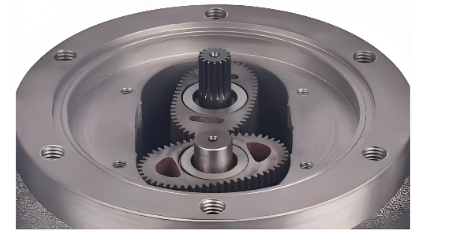
How oval gear flow meter work for bitumen measurement
Oval gear meters measure by counting discrete volumes of fluid displaced by two rotating figure-eight gears. They do not care about viscosity changes the way electromagnetic or vortex meters do. Higher viscosity actually improves sealing between the gears and the chamber wall, which means accuracy, can be better at cold startup conditions than at full operating temperature.
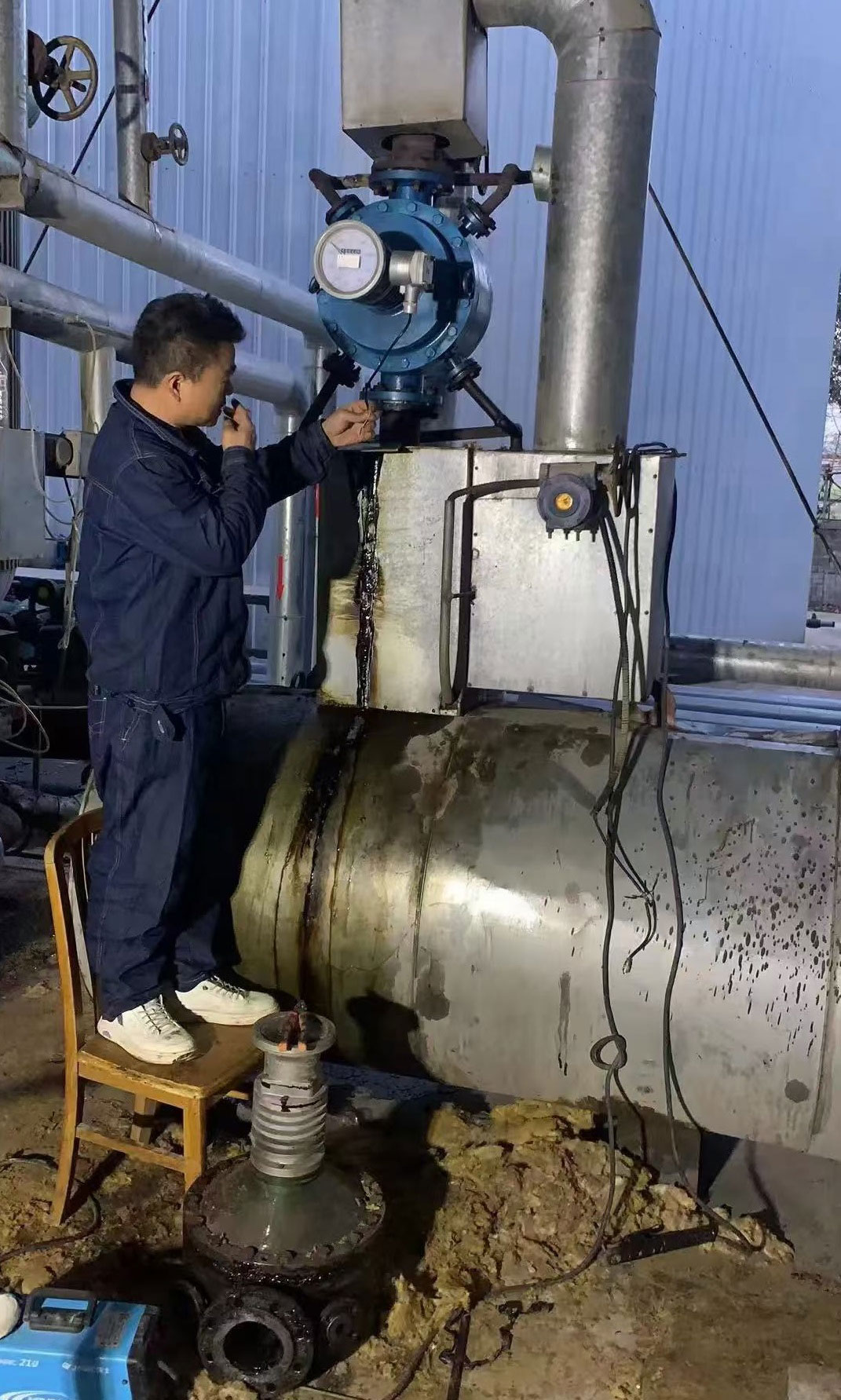
The heat jacket solves a different problem. It is not about accuracy during normal operation. It is about survivability during shutdowns, slow flow periods, and ambient temperature drops. The jacket keeps the fluid mobile inside the meter body at all times. On a 6 inch line carrying hot asphalt, the thermal mass of the fluid in the meter is significant. Without a jacket, cooldown happens faster than most operators expect.
At DN150 the oval gear mechanism is physically large. The gears are machined from alloy steel and the body is typically cast iron or ductile iron. This construction handles the thermal cycling of steam-traced systems without distortion. Aluminum body meters, which are common in smaller sizes, are not appropriate here.
Silver Instruments supplies the LC-150 series in DN150 with the heat jacket option as a standard configuration. Key specifications for this application:
| Model | LC-150 |
| Nominal size | DN150 (6 inch) |
| Max temperature | 200 degC (with heat jacket) |
| Max pressure | 1.6 MPa (16 bar) standard; higher on request |
| Flow range | 10-100 m3/h typical for bitumen viscosity range |
| Accuracy | 0.5% of reading |
| Repeatability | 0.1% |
| Viscosity range | 20-2000 cP at operating temperature |
| Jacket connection | 1 inch flange inlet/outlet for steam or thermal oil |
| Body material | Cast steel |
| Gear material | Steel |
| Seal material | PTFE or graphite (temperature dependent) |
| Output | 4-20 mA, pulse (NPN/PNP), RS485 Modbus optional |
| Process connection | ANSI 150 flanged or DIN PN16 flanged |
| Display | LCD totalizer and flow rate |
Most of the bitumen meter failures we get called about follow a predictable pattern. The original installation used a standard non-jacketed positive displacement meter because it was cheaper and the engineer assumed the line tracing alone would keep the meter warm. In practice:
The heat jacket adds cost to the meter. On a 6 inch bitumen line, it adds considerably less cost than a single unplanned shutdown for meter replacement.
Coriolis mass flow meter: Honestly, if budget were not a factor, Coriolis would be the first choice for bitumen metering at any pipe size. It measures mass flow directly, with no moving parts to wear against a viscous fluid, no density compensation needed, and accuracy of 0.1-0.2% regardless of viscosity changes during temperature fluctuations. For custody transfer applications where every tonne of bitumen has a dollar value, that accuracy matters. The problem is price. A DN150 Coriolis meter for 200 degC service with the appropriate high-temperature option runs three to four times the cost of a jacketed oval gear unit of the same size. For a production metering or batch-loading application where 0.5% accuracy is acceptable, that cost difference is hard to justify. We have supplied Coriolis on DN25 and DN50 bitumen lines for lab and quality control use, where the pipe size keeps the unit cost reasonable. At DN150, most customers choose oval gear and use the savings elsewhere. Honestly, if budget were not a factor, Coriolis would be the first choice for bitumen metering at any pipe size.
Vortex flow meter: Not suitable. Vortex requires a minimum Reynolds number for reliable shedding. Bitumen at 200 degC on a DN150 line can fall below this threshold at low flow rates. Accuracy degrades unpredictably.
Magnetic flow meter: Bitumen is not electrically conductive. Electromagnetic flow meters require a minimum conductivity of around 5 microS/cm. Bitumen does not meet this threshold. Ruled out immediately.
Turbine flow meter: Turbine bearings wear rapidly in high-viscosity service. The blade geometry that works for light hydrocarbons does not transfer to asphalt applications. Not recommended above 500 cP.
Request a Quote: Jacketed Oval Gear Flow Meter for BitumenSend us the following and we will return a price and lead time within one business day:
Contact: sales@silverinstruments.com | silverinstruments.com |