English
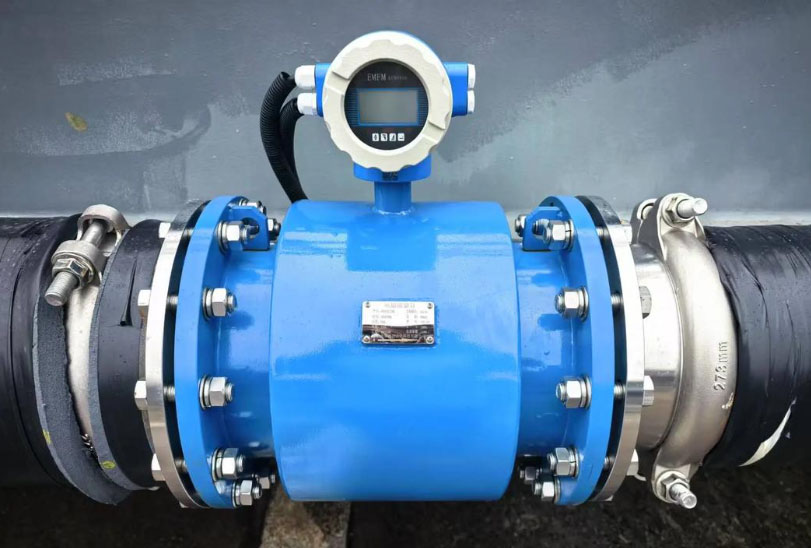
Seawater has strong corrosiveness, high conductivity, and contains sand and chlorine. Ordinary flow meters in seawater pipelines often experience problems such as lining detachment, electrode corrosion, and sensor failure within a few months. Choosing the right seawater flowmeter directly affects the operational stability and maintenance costs of seawater desalination plants, offshore oil platforms, coastal power plants, and ship cooling systems. Starting from application scenarios, this article introduces the mainstream technical routes and selection points of seawater flow meters.
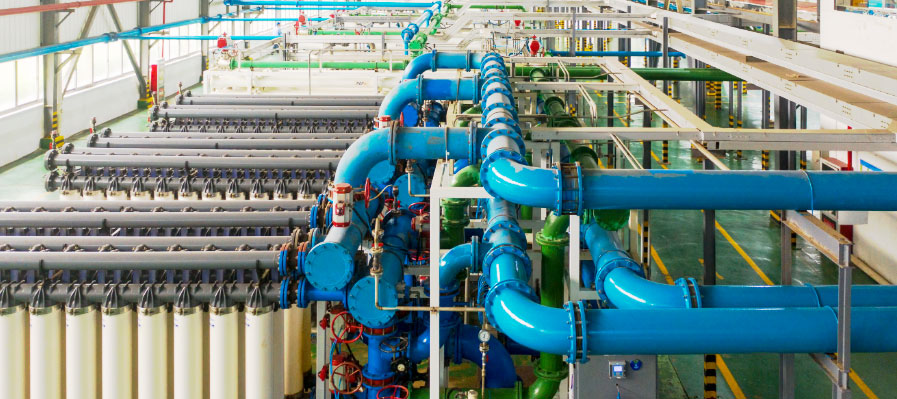
Desalination plant needs seawater flow meter
Desalination plant: The measurement of inlet flow rate, concentrated brine discharge flow rate, and water production flow rate before reverse osmosis (RO) usually requires high accuracy and long-term stability.
Offshore oil platforms and FPSOs: seawater lifting, water injection, fire water, cooling water circuits, complex working conditions, requiring explosion-proof and salt spray resistance.
Coastal thermal power plants and nuclear power plants: The diameter of the circulating cooling water pipeline is large, commonly ranging from DN800 to DN3000, with high requirements for pressure loss and long-term maintenance free.
Ship seawater cooling system: main engine cooling, air conditioning condenser inlet and outlet water, compact space, requiring short pipe installation.
Aquaculture and marine engineering: water exchange systems, tidal water intake, deep-sea water intake pipelines.
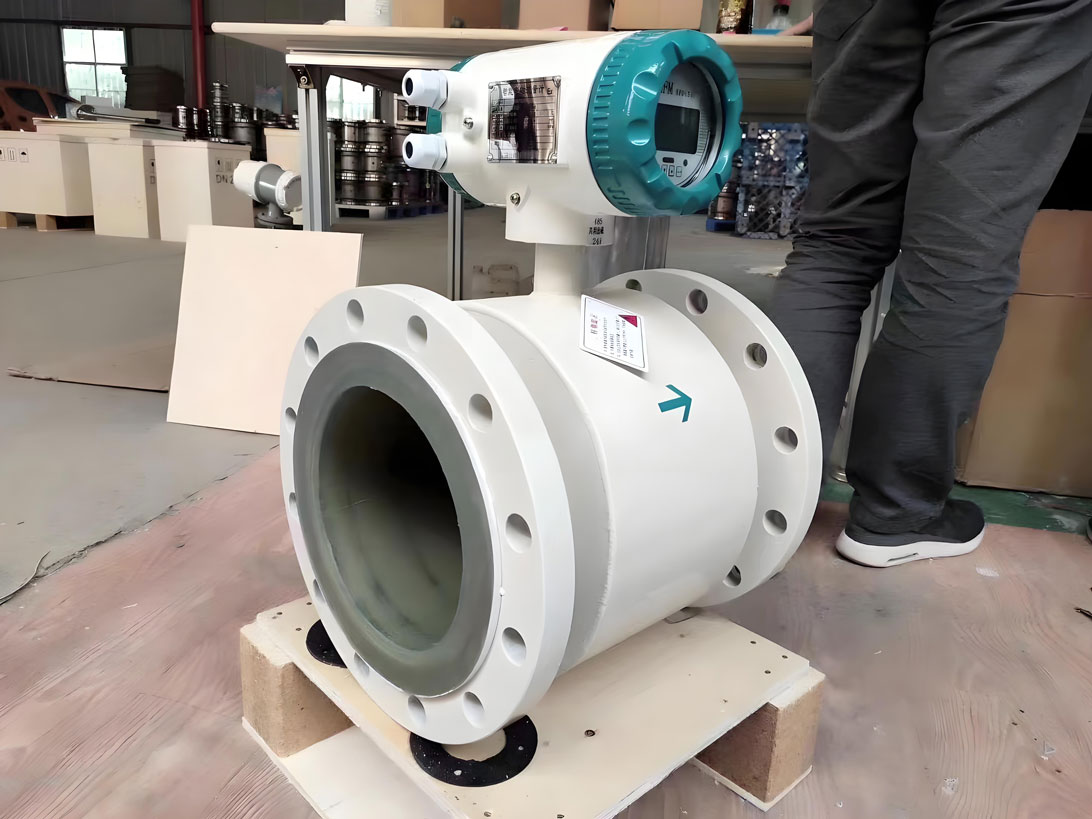
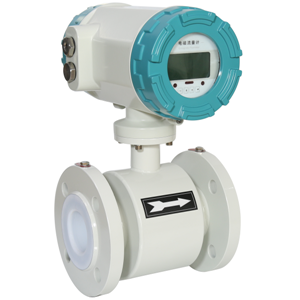
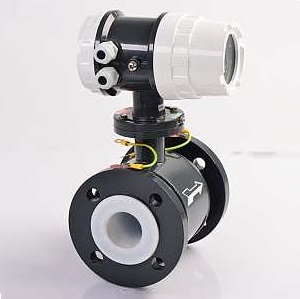
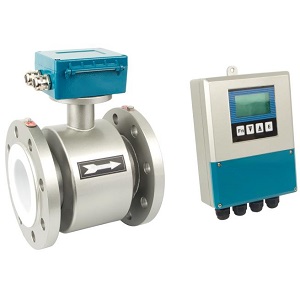
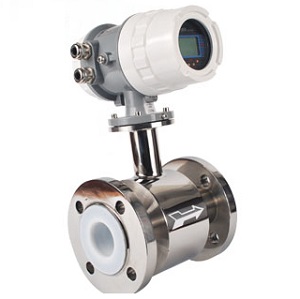
The conductivity of seawater is high (about 50000 microsiemens per centimeter), which is very suitable for electromagnetic principle measurement. Electromagnetic flowmeter is the preferred solution for seawater measurement, but the prerequisite is that the material must be selected correctly:
Lining material: PTFE (polytetrafluoroethylene) or PFA is recommended which is resistant to chloride ion corrosion and will not peel off for a long time. Rubber lining has a short lifespan in seawater and is not recommended.
Electrode material: 316L will experience pitting corrosion in seawater, and Hastelloy C, Tantalum, or platinum iridium alloy can be selected.
Grounding ring: Hastelloy or titanium material is also required; otherwise the grounding ring will corrode before the electrode.
The advantages of electromagnetic water flowmeter are no pressure loss, no movable parts, wide sea water flow sensor range (DN10 to DN3000), and an accuracy of up to 0.5%.
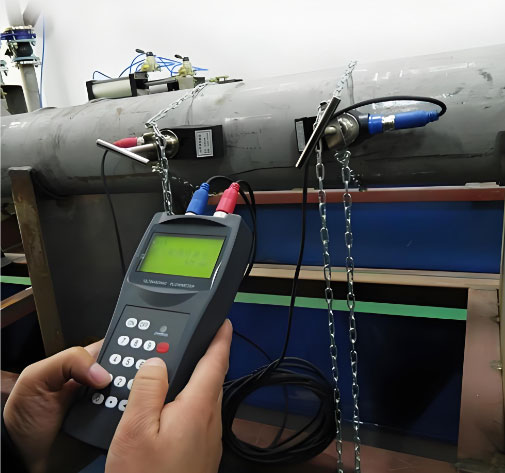
Suitable for large-diameter pipelines, especially in situations where existing pipelines cannot be cut off for renovation. Clamp on ultrasonic flow meters can be installed without shutdown and are commonly used in power plant circulating water main pipelines. Insertion type is suitable for pipes with a diameter of DN300 or above, and its cost is lower than that of full pipe electromagnetic.
It should be noted that if there are many bubbles or high sediment content in seawater, it will affect the propagation of ultrasonic signals. When selecting, the operating conditions should be confirmed.
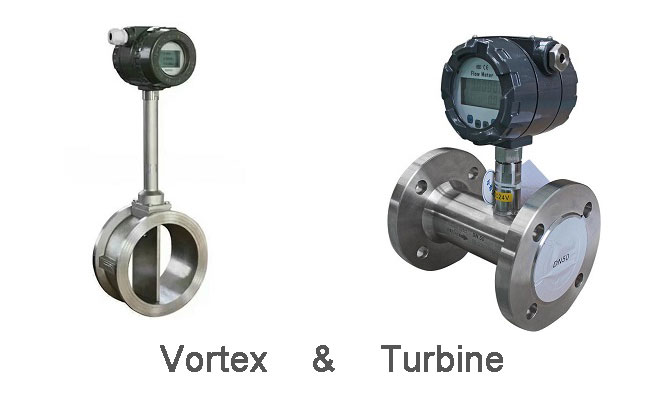
It is generally not recommended for use in seawater. Turbine blades are prone to jamming and corrosion in seawater; Vortex instruments are prone to clogging vortex generators in seawater containing impurities.
Before placing an order or inquiring for seawater flow transmitter, it is recommended to confirm the following items:
Pipeline diameter and material (DN size, carbon steel/stainless steel/fiberglass/HDPE)
Medium temperature (ambient temperature seawater or hot seawater, affecting lining selection)
Flow range (minimum, normal, maximum flow)
Working pressure (flange rating, PN10/PN16/PN25/ANSI 150)
Installation methods (pipe section, external clamp)
Power supply and output signal (220VAC/24VDC, 4-20mA/RS485/HART or battery operated)
Is explosion-proof certification required (offshore platforms must have Ex d IIB T4 or higher)
Protection level (recommended IP68 for marine environments)
Many customers have given feedback that 'even with a big brand flowmeter, it still doesn't work in seawater'. In fact, the problem often lies in the configuration - the salesperson did not match the electrode and lining according to the seawater working conditions, but defaulted to sending the standard model with 316L electrode and rubber lining.
As a flowmeter manufacturer, silverinstruments.com have been providing specialized electromagnetic and ultrasonic flowmeters for seawater desalination projects, Southeast Asian offshore platforms, and Middle Eastern power plants for a long time. We can configure Hastelloy /titanium electrodes, PTFE lining, titanium grounding rings according to specific working conditions, and provide seawater salt spray test reports. If you have a project for measuring seawater flow, please feel free to contact us for selection advice and quotation.
we will contact you within 24 hours..