
English
ANSI Flange Pressure Classes for Flow Meters: PSI, Bar, and DIN Equivalents
Quick AnswerANSI flange classes (150, 300, 600, 900, 1500, 2500) are dimensionless ratings, not pressure values themselves. At the standard reference temperature of 100 degrees Fahrenheit, Class 150 carbon steel is rated at 285 psi (about 19.6 bar), and the rating climbs to 6,170 psi (about 425 bar) at Class 2500. Stainless steel flanges run a little lower at the same class because of the material strength curve. There is no exact match to DIN PN classes, so a Class 300 flow meter and a PN50 flow meter are close but not interchangeable without checking bolt circle and drilling. |
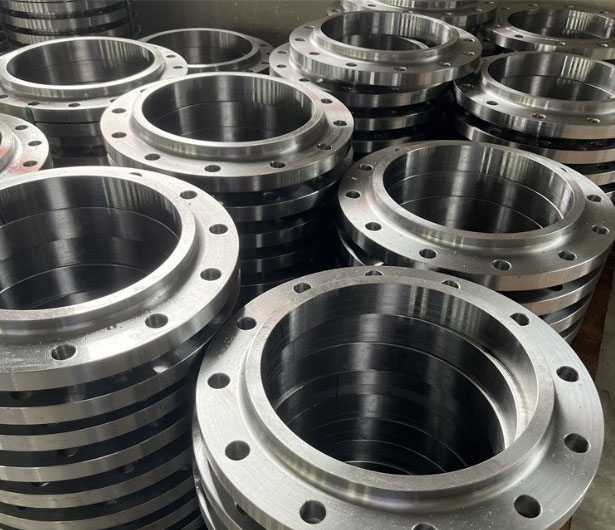
Here is where a lot of engineers new to flow meter selection get tripped up. Class 150 does not mean 150 psi. The class number is a dimensionless designation set by ASME B16.5, and the actual pressure rating depends on the flange material and the operating temperature. The numbers below apply at 100 degrees Fahrenheit, which is the ambient reference point most flow meter datasheets quote. Push the operating temperature up, and the same Class 600 flange will carry noticeably less pressure than its ambient rating.
This matters directly for flow meter selection. A customer ordering a Coriolis or vortex meter for a hot process line cannot just pick a class based on the cold shutdown pressure. We size the flange class against the maximum pressure at the maximum operating temperature, not the room temperature number on a quick reference chart.
| Class | Carbon Steel (psi) | Carbon Steel (bar) | Stainless Steel (psi) | Stainless Steel (bar) |
| 150 | 285 | 19.6 | 275 | 19.0 |
| 300 | 740 | 51.0 | 720 | 49.6 |
| 600 | 1,480 | 102.0 | 1,440 | 99.3 |
| 900 | 2,200 | 151.7 | 2,160 | 148.9 |
| 1500 | 3,705 | 255.4 | 3,600 | 248.2 |
| 2500 | 6,170 | 425.4 | approx. 6,000* | approx. 413.7* |
* Class 2500 stainless steel figures are approximate reference values. Confirm exact numbers against the ASME B16.5 table for your specific alloy (304, 316, or 316L) before finalizing a spec.
These are ambient, non-shock ratings at 100 degrees Fahrenheit for Group 1.1 carbon steel and Group 2.2 stainless steel. Once you move into elevated temperature service, such as saturated steam above 300 degrees Fahrenheit, you need to pull the actual pressure-temperature table for that material group rather than reading straight off this chart.
Customers outside North America often ask us to cross a Class rating to a DIN PN rating, and the honest answer is that there is no exact match. ANSI and DIN use different design methodologies, bolt circles, and drilling patterns, so a Class 300 flange and a PN50 flange will sit close in pressure capability but will not bolt up to each other without an adapter.
| ANSI Class | Approximate DIN PN Equivalent |
| 150 | PN20 |
| 300 | PN50 |
| 600 | PN100 |
| 900 | PN150 |
| 1500 | PN250 |
| 2500 | PN420 |
When a customer specifies DIN, we build the flow meter to actual PN dimensions rather than approximating from the ANSI table, since the flange face finish, bolt hole count, and raised face height follow a separate standard entirely.
Flange class covers pressure. Line size is the other half of the spec, and this one does convert cleanly between standards. DN15 is 1/2 inch, DN25 is 1 inch, DN50 is 2 inch, DN100 is 4 inch, DN150 is 6 inch, and DN300 is 12 inch. Confirm both the class and the nominal size together when ordering, since the two are independent choices on the order form and mixing them up is a common source of delayed shipments.
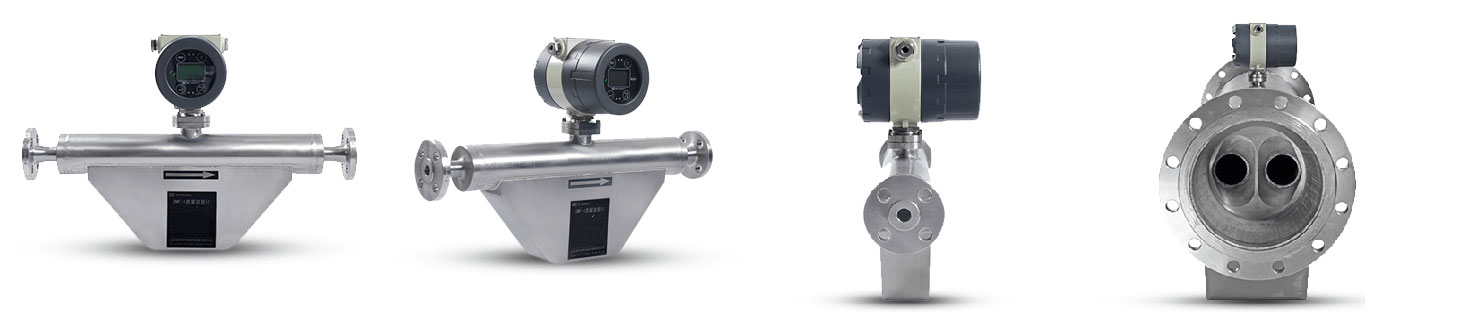
Class 150 and 300 cover the bulk of water, compressed air, and general chemical service, which is why most of our electromagnetic and vortex meter orders ship in one of those two classes. Class 600 starts showing up on steam headers and mid pressure gas gathering lines, where saturated steam pressure alone can push past 300 psi before you even factor in the temperature derating.
Class 900 and above belong to a narrower set of applications: wellhead production and injection lines in oil and gas, high pressure gas transmission, hydraulic fracturing fluid metering, and reactor feed lines in petrochemical plants. On these projects we typically see Coriolis mass flow meters specified over other technologies, since the compact measuring tube handles the wall thickness increase at Class 1500 and 2500 more practically than a large bore vortex or electromagnetic body would.
If your project calls for Class 900 or higher, tell us the exact operating pressure and temperature together, not just the class number, so we can confirm the correct flange thickness and material group before quoting.
A few concrete examples from recent orders: a wellhead water injection skid in the Middle East specified Class 1500 on a DN50 Coriolis meter because reservoir pressure alone exceeded 2,000 psi before pump boost. A gas gathering line in Southeast Asia ran Class 600 on a DN100 vortex meter for a mid pressure pipeline segment feeding a compressor station. Neither project could have used a Class 150 or 300 meter body, and neither needed to go all the way to Class 2500 either, which is why matching the class to the actual operating envelope, rather than defaulting to the highest available rating, keeps both safety margin and cost in line.
Send us your line pressure (psi or bar), operating temperature (degrees F or C), pipe size (DN or NPS), and whether you need ANSI or DIN drilling. Email these to sales@silverinstruments.com and we will confirm the correct flange class and material before quoting your flow meter.