
English
Accurate measurement of urea flow is a vital, yet often underestimated, requirement across diverse industries. From ensuring optimal Diesel Exhaust Fluid (DEF/AdBlue) dosing in vehicles to controlling molten urea flow in fertilizer production and managing precise agricultural application, getting the flow rate right impacts efficiency, compliance, cost, and product quality. Urea's varying states, mainly a liquid solution like DEF or hot molten urea, present distinct measurement challenges. Choosing the correct urea flow meter is not a one size fits all decision. It depends on the specific state of urea, process conditions, budget, and accuracy demands. This guide explores the dominant technologies for reliable urea flow measurement from Silver Automation Instruments (silverinstruments.com), helping you make an informed flow meter selection.
Quick AnswerFor AdBlue and DEF (UREA-32, UREA-40) aqueous solutions, an electromagnetic flow meter is the most cost-effective and reliable choice, since the solution is electrically conductive and the meter has zero pressure drop. For molten urea (135 to 150°C) in fertilizer granulation plants, a Coriolis mass flow meter with a steam or thermal oil heating jacket is the gold standard, giving direct mass flow, density, and temperature in one reading. For small batch dosing, viscous concentrates, or very low flow rates such as 50 ml/min, an oval gear flow meter with a heating jacket handles urea that other meter types struggle with. |
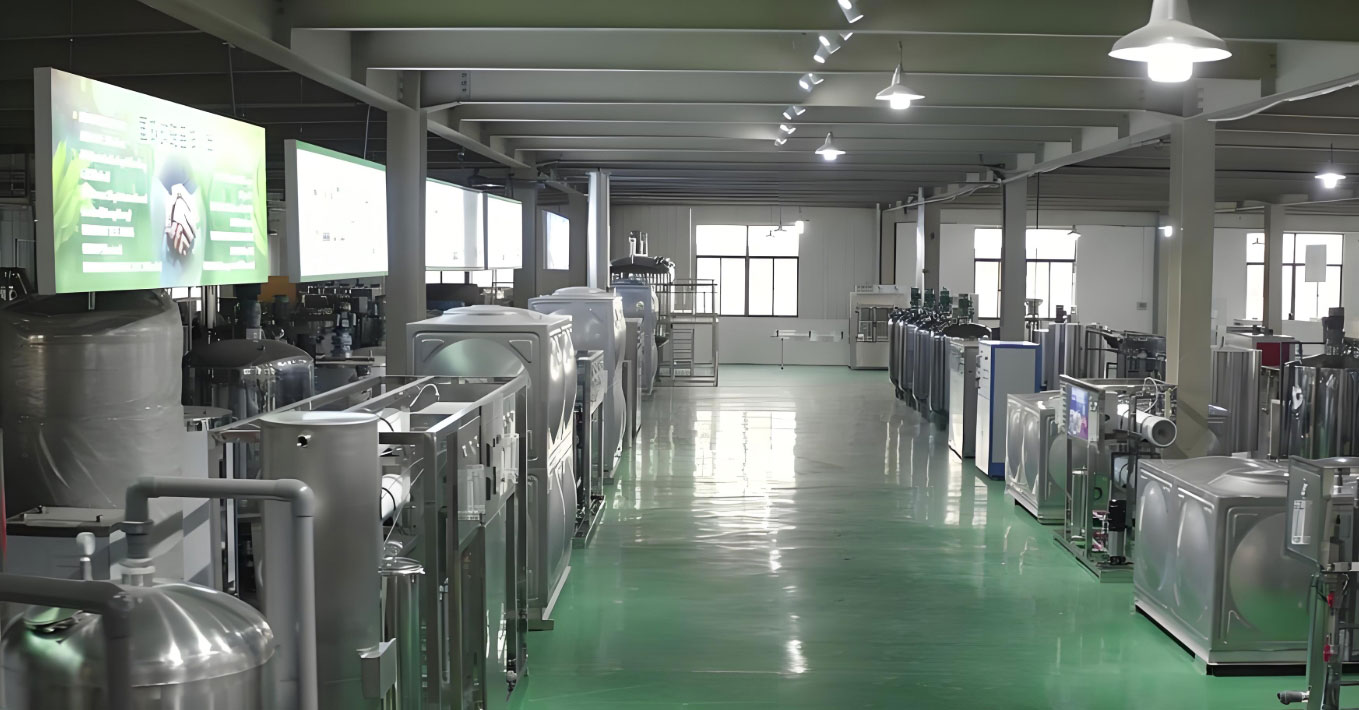
Accurate urea flow measurement is important for dosing, compliance, and process efficiency
Urea (CO(NH₂)₂) is handled in two main industrial forms, and each one calls for a different flow meter approach.
Liquid urea is primarily an aqueous solution. DEF/AdBlue is a precise 32.5% high purity urea solution in deionized water, crucial for Selective Catalytic Reduction (SCR) systems in diesel engines used in trucks, cars, construction equipment, and ships. UREA-32 and UREA-40 are similar solutions used in agriculture and industrial processes.
Key characteristics: electrically conductive due to ionic content, relatively low viscosity, prone to crystallization if concentrated or frozen, and it requires careful material compatibility with specific stainless steels.
Molten urea is pure urea heated above its melting point of approximately 133°C (271°F), typically handled between 135°C and 150°C (275 to 305°F) in fertilizer granulation plants.
Key characteristics: very high viscosity when cold, solidifies rapidly below melting point, corrosive at high temperatures, and requires continuous heating, either steam tracing or jacketing, throughout the system including the flow meter itself.
Confirm all of the technical parameters above and send them to Silver Automation Instruments (sales@silverinstruments.com). Our engineers will help you choose the appropriate urea flow meter for your application.
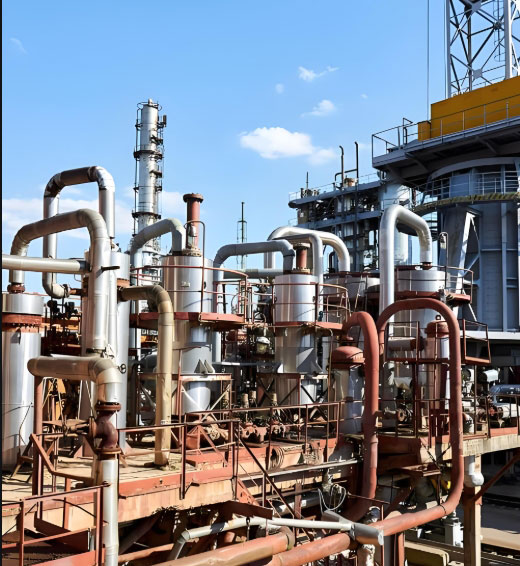
Confirm your technical parameters before choosing the right urea flow meter
Based on the properties of urea described above, three flow meter technologies stand out as the primary flow measurement solutions.
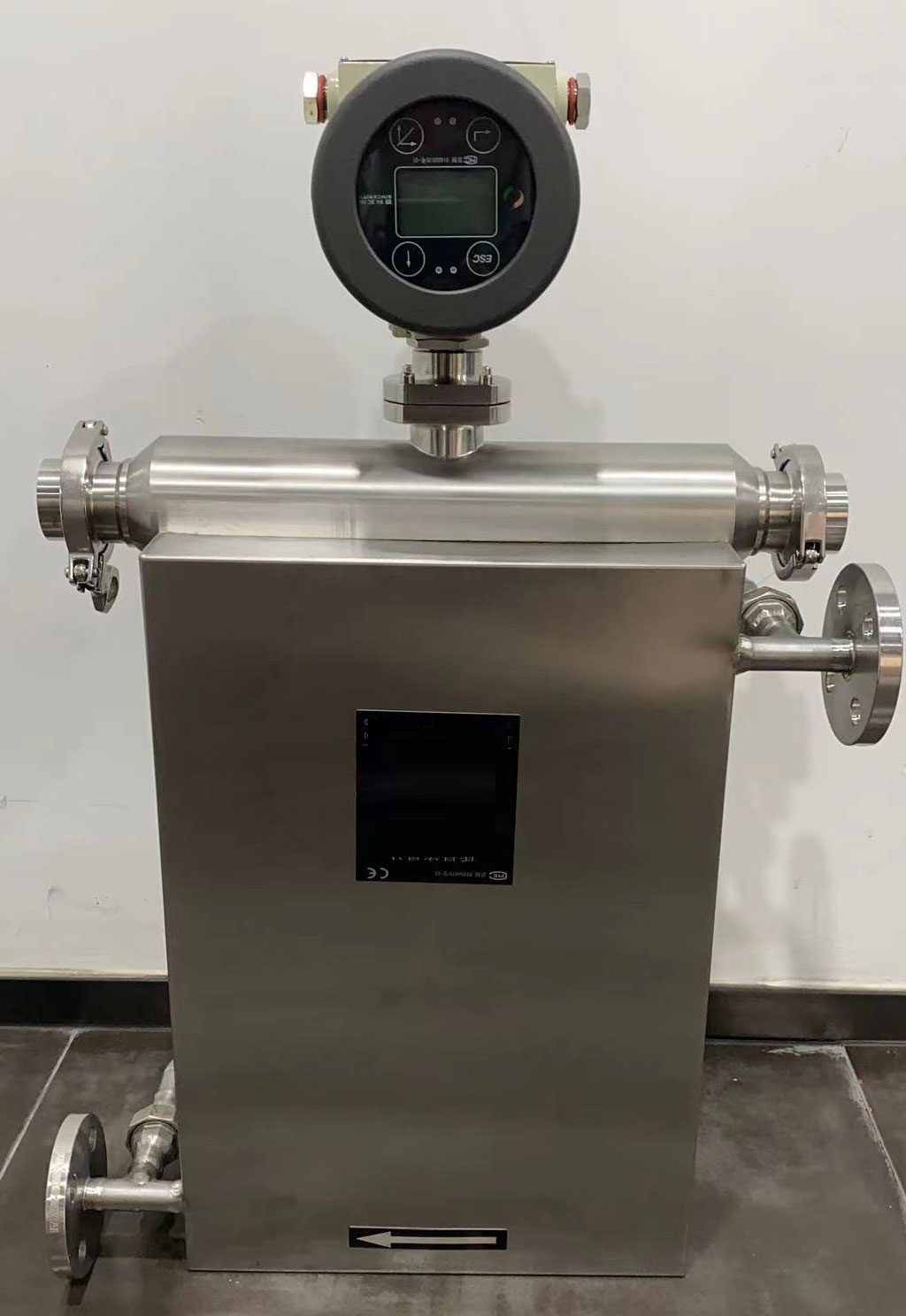
Coriolis flow meter with heating jacket to prevent molten urea from solidifying
Principle: measures mass flow directly by detecting the Coriolis force induced on vibrating tubes as the fluid flows through them, while simultaneously measuring density and temperature.
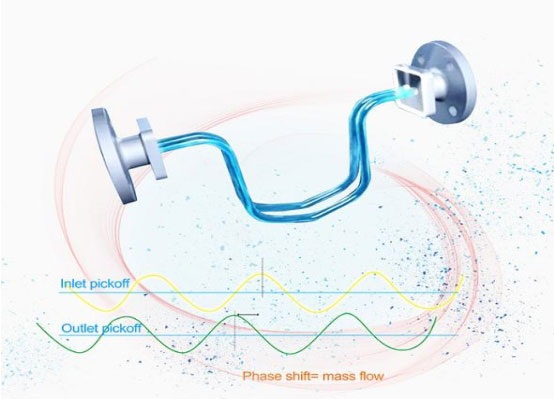
How Coriolis flow meters work
Ideal for: both liquid urea solutions (DEF/AdBlue) and molten urea. This is the gold standard for urea flow measurement requiring the highest accuracy. When measuring molten urea, Silver Automation Instruments can offer heating jacket mass flow meters built for this exact duty.
No flow profile dependence: the meter is insensitive to upstream and downstream piping configuration, so no straight pipeline run is needed before or after the flow meter.
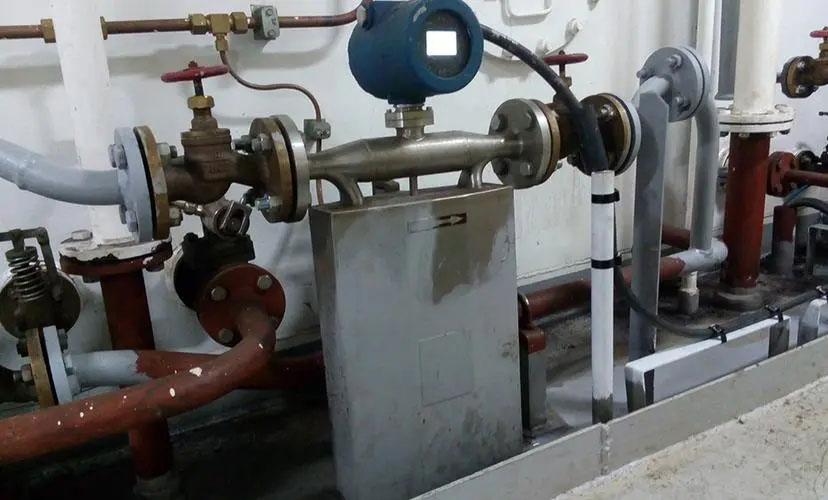
No straight pipeline needed before and after a urea mass flow meter
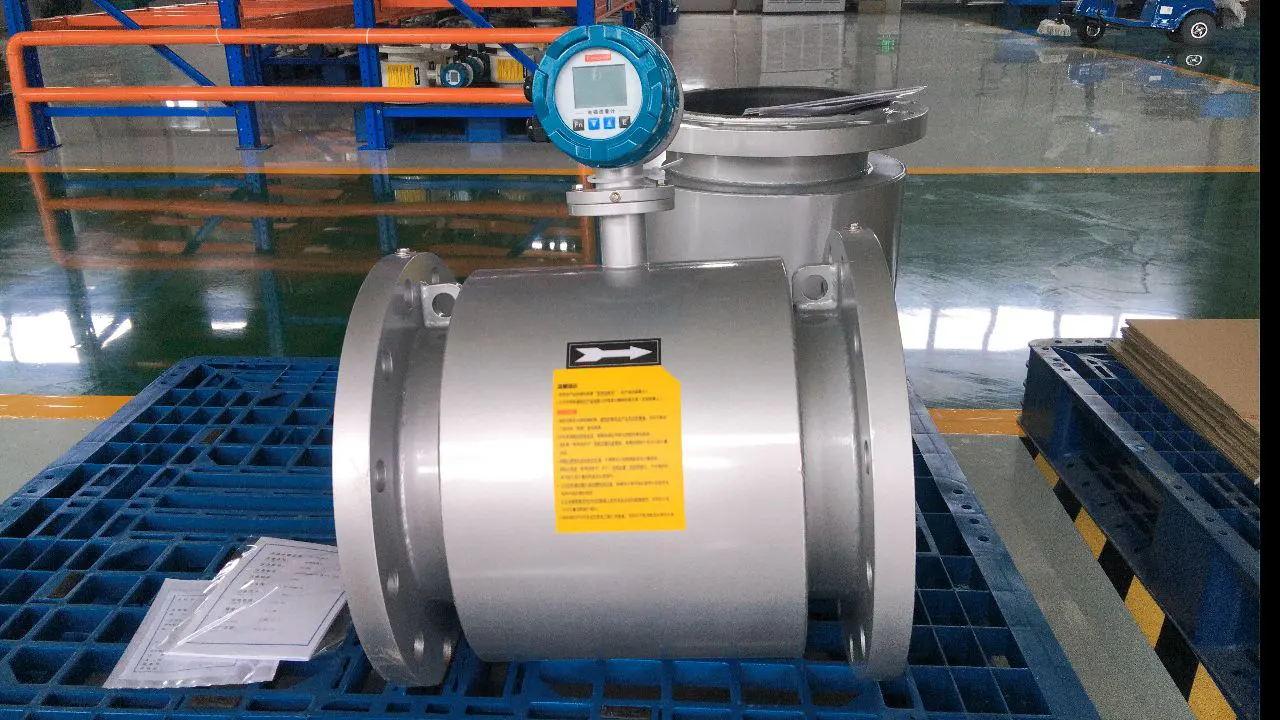
Electromagnetic flow meter for urea solution measurement
Principle: utilizes Faraday's Law of electromagnetic induction. A magnetic field is applied to the metering tube, and electrodes measure the voltage induced by the conductive fluid moving through the field. Voltage is proportional to flow velocity.
Ideal for: electrically conductive liquid urea solutions, specifically DEF/AdBlue, UREA-32, and UREA-40. Not suitable for pure water, non-conductive fluids, or molten urea.
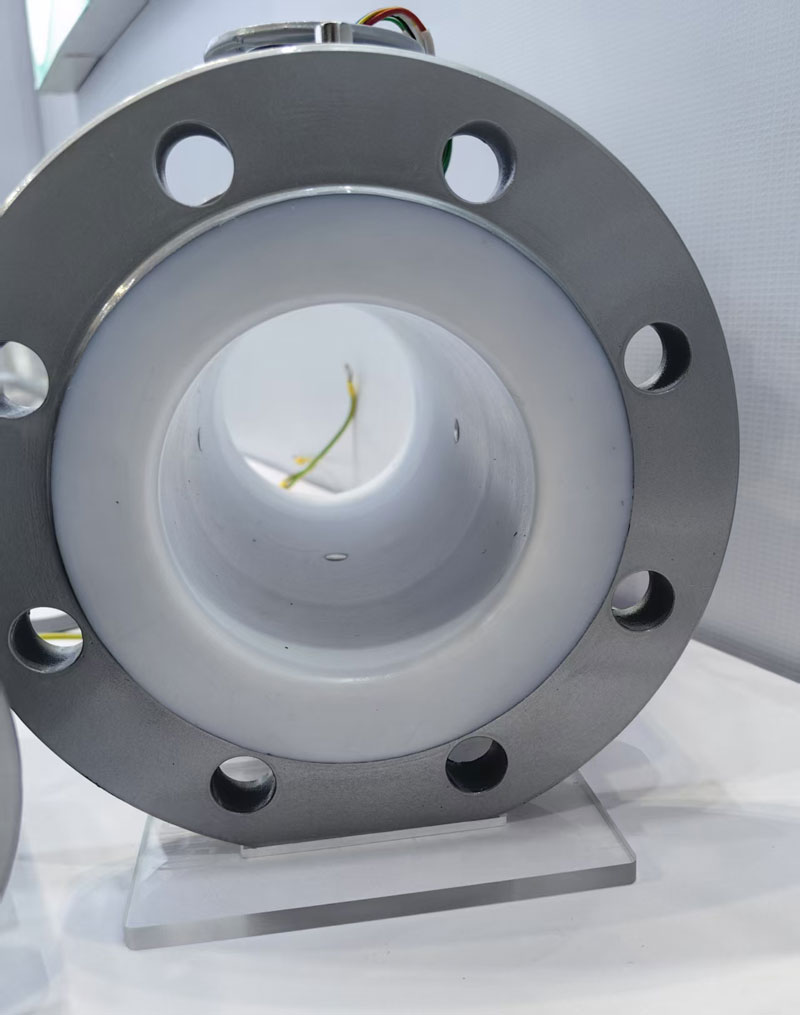
Full bore flow sensor with unobstructed flow path
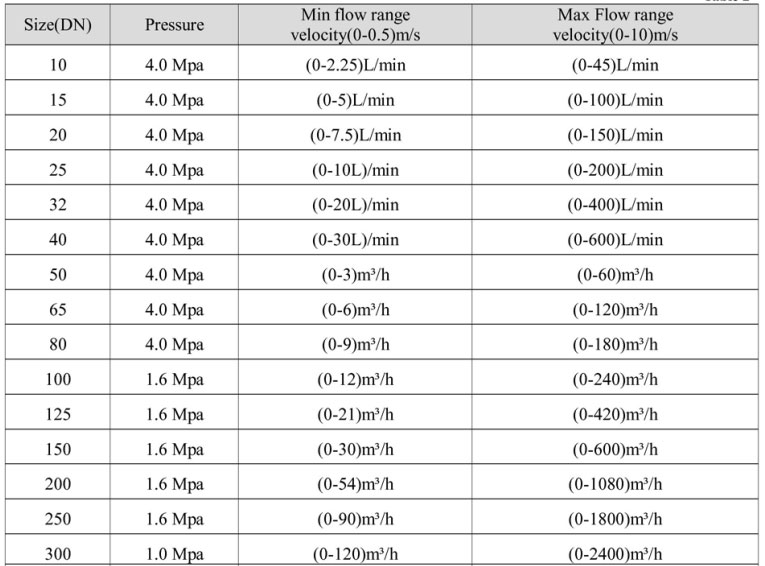
Common electromagnetic flow meter sizes and corresponding urea flow ranges
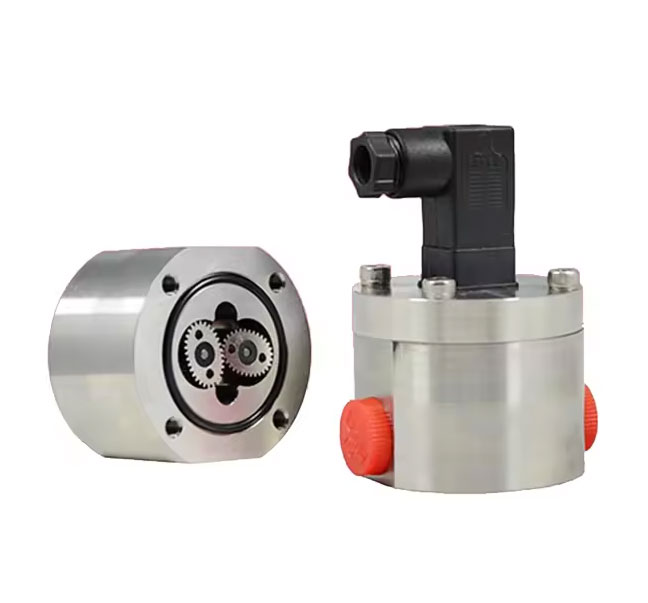
Oval gear flow meter for urea flow measurement
Principle: an oval gear flow meter is a type of positive displacement flow meter. Urea flow drives two precisely machined oval gears that rotate within a chamber. Each rotation displaces a fixed volume of fluid, counted electronically.
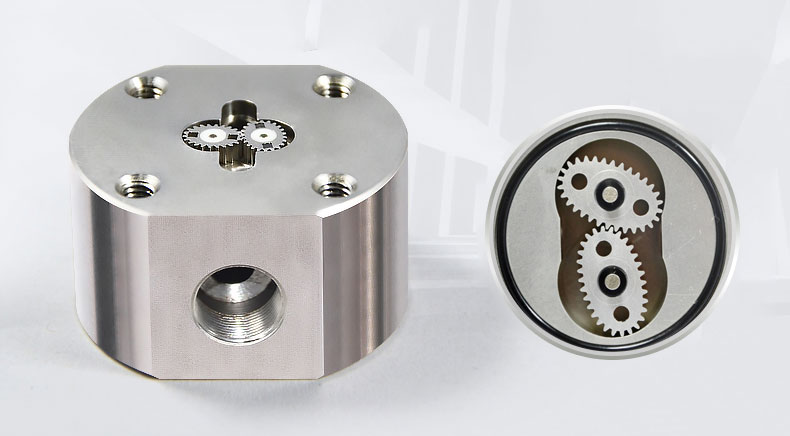
How oval gear flow meters work for urea flow measurement
Ideal for: high viscosity liquids, molten urea, or small batch and pulse flow applications where other meters might struggle, such as with 50 ml/min or 100 ccm flow.
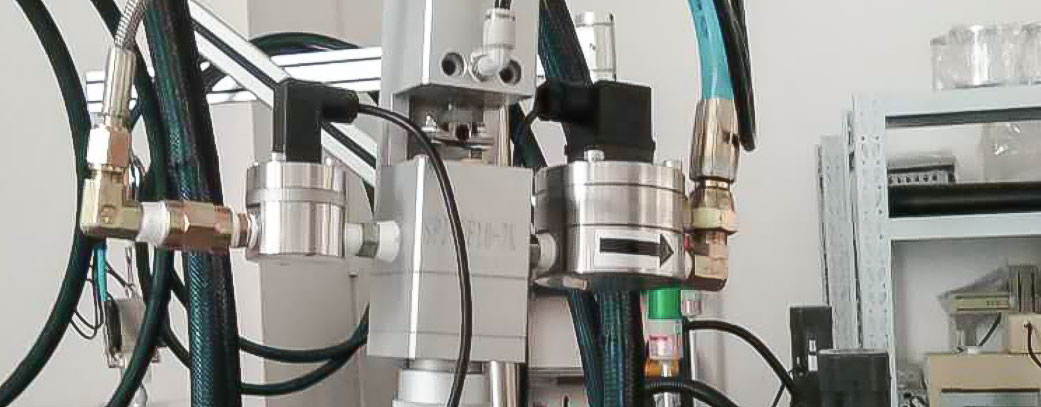
Small positive displacement flow meter for high precision and small scale flow measurement
Urea flow applications: small scale, high precision dosing of urea solutions or additives, batching systems for urea-based products, handling viscous urea concentrates, and molten urea flow in smaller lines when equipped with robust, active heating jackets.
The optimal urea flow meter choice depends on the specific demands of your process. Use the table below as a quick reference guide.
| Application & Urea Type | Recommended Meter | Critical Considerations |
| Molten urea (135 to 150°C / 275 to 305°F) | Coriolis mass flow meter | Must have active steam tracing or heating jacket. Highest accuracy and direct mass flow. |
| AdBlue / DEF (UREA-32, UREA-40) | Electromagnetic flow meter (magmeter) | Most cost-effective and reliable for conductive aqueous solutions. Zero pressure drop. |
| High precision dosing or batching (liquid or molten) | Coriolis mass flow meter or oval gear meter | Coriolis for mass accuracy and no moving parts. Oval gear for very low flows or viscosity, with heating if molten. |
| Small flow rates or high viscosity urea | Oval gear flow meter | Requires good upstream filtration and a heating jacket for molten urea. |
| Large pipe conductive urea solutions | Electromagnetic flow meter (magmeter) | Most economical scaling for large diameters. Confirm sufficient conductivity. |
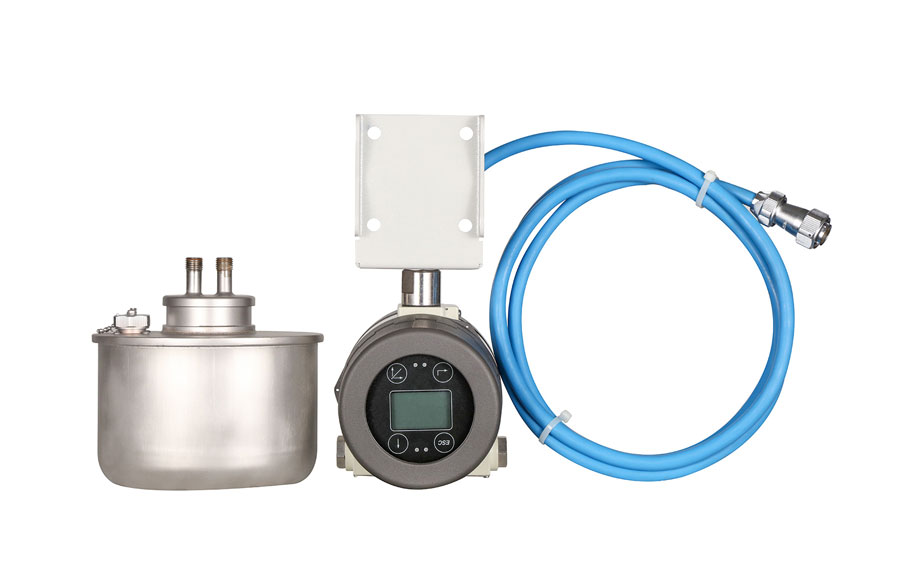
Stainless steel material flow meters should be considered for urea measurement
Urea, especially at high temperatures and in molten form, can be corrosive. Specify meters constructed with urea-compatible stainless steels, such as 316L or 904L, or titanium. Verify seal materials as well, since FFKM/Kalrez is often preferred for hot urea.
This cannot be overstated. Any meter used for molten urea must have integrated, active heating, either steam jackets or electric trace heating with controllers, plus comprehensive insulation. A single cold spot can cause solidification, blocking the line and potentially damaging the flow meter.
Follow manufacturer installation guidelines meticulously for straight pipe runs, which matter most for magmeters, grounding for magmeters, and vibration isolation for Coriolis flow meters.
Establish a regular calibration schedule traceable to recognized standards. Consider in-situ verification methods where possible, especially for critical applications like DEF dosing or custody transfer.
While Coriolis flow meters, electromagnetic flow meters, and oval gear flow meters dominate today, the technology keeps advancing. Wider adoption of clamp-on ultrasonic meters is likely for specific non-invasive flow measurement on larger urea solution lines, though accuracy and pipe condition requirements remain a challenge.
Integration with Industrial IoT (IIoT) platforms for real-time monitoring, predictive maintenance, especially for oval gear meters, and remote diagnostics is becoming increasingly valuable for optimizing urea usage and process efficiency.
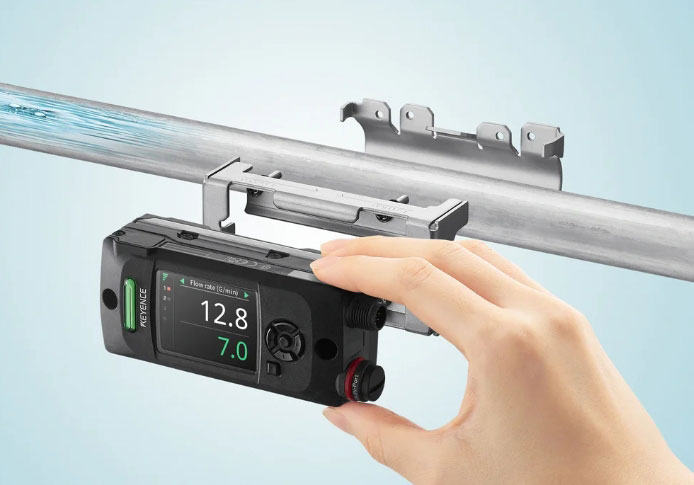
Non-contact flow measurement may become a growing trend
Accurate urea flow measurement is far more than just monitoring a number. It is fundamental to operational efficiency, product quality, meeting emissions regulations through precise DEF dosing, and minimizing waste in valuable chemical processes. Understanding the distinct properties of your urea stream, whether it is conductive AdBlue or demanding molten urea, is the first step.
By matching the strengths of Coriolis mass flow meters for precision and versatility, electromagnetic flow meters for cost-effective DEF measurement, and oval gear flow meters for viscosity and batching to your specific application, while addressing material compatibility and the heating needs of molten urea, you get reliable, accurate, and cost-effective flow monitoring. Investing in the right urea flow meter technology delivers real returns in process control, compliance, and overall operational performance.
Send your urea type (DEF/AdBlue, UREA-32, UREA-40, or molten urea), pipeline size, flow range, operating temperature and pressure, and required accuracy to sales@silverinstruments.com. Our engineers will confirm the right flow meter technology, wetted materials, and heating jacket requirements for your application.