
English
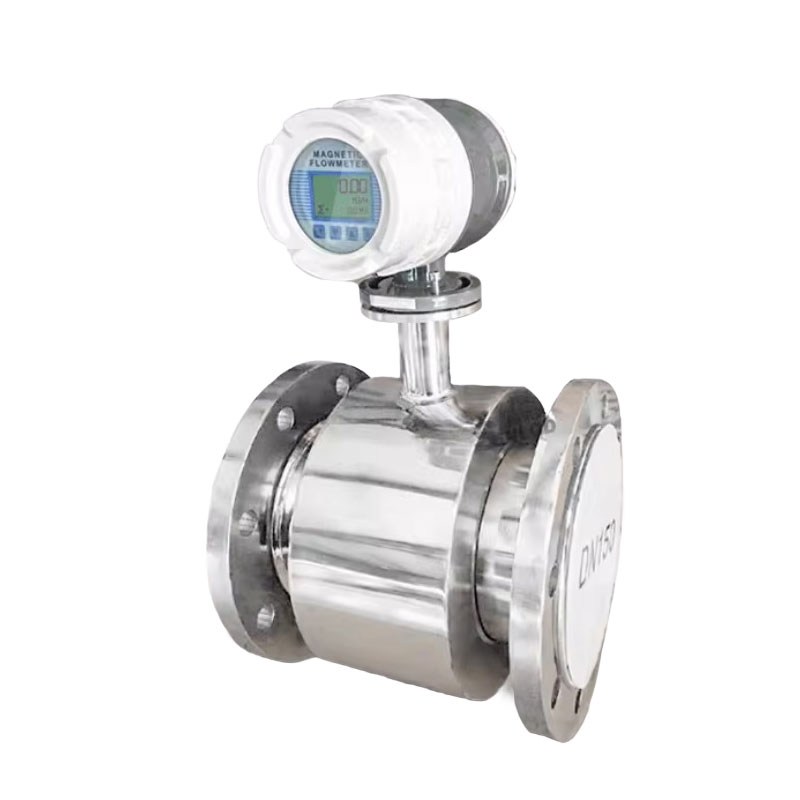

Stainless steel flow meter can be used in harsh environment for corrosive fluids or gas measurement. It can be used in food or pharmaceutical industry for chemical solution, acid or alkali solution, a...
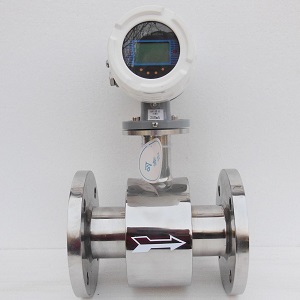
Flow meters recommended for use with acids or chemically aggressive liquids. Silver Automation Instruments supplies acid resistant flow meters to measure the flow of strong hot corrosive acids like su...
Sodium hypochlorite is widely used as a chemical disinfectant in water treatment, chemical processing, food & beverage production, and other industrial applications. It plays a critical role in drinking water disinfection, wastewater sterilization, workshop sanitation, paper making, and bleaching processes.
In these industries, accurate chemical dosing and flow measurement directly determine treatment efficiency, safety compliance, and operating costs. Insufficient dosage may result in incomplete disinfection, excessive microbial content, and potential safety risks. Excessive dosage can cause chemical waste, increase operating costs, and even generate harmful by-products that raise the burden of downstream treatment.
Especially in high-hygiene applications, like municipal water systems or food processing, sodium hypochlorite concentrations must meet regulations. Selecting a suitable sodium hypochlorite flow meter is a key step in ensuring process compliance, stable operation, and long-term cost reduction in chemical dosing systems.
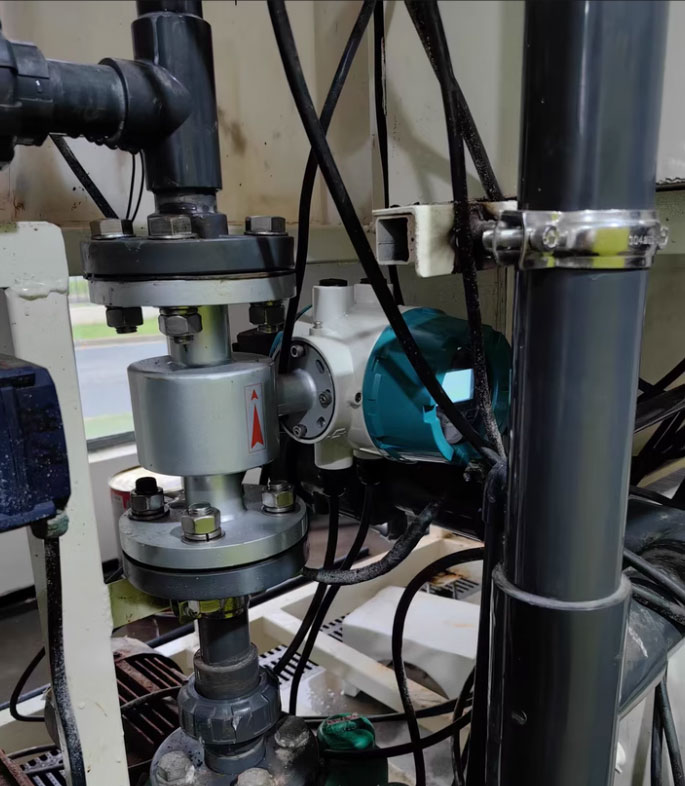
Sodium hypochlorite solution is corrosive by nature. Under certain conditions, it may also carry trace impurities. Traditional mechanical flow meters, for example turbine or vortex flow meters, soften suffer from corrosion, wear, or blockage, leading to unstable or inaccurate measurements.
A magnetic flow meter (electromagnetic flow meter), with no moving parts and excellent chemical compatibility, is an ideal chemical flow meter for sodium hypochlorite applications and other corrosive liquids. It can also be used as an acid flow meter and offers the following advantages:The wetted parts of an electromagnetic flow meter can be built with PTFE lining and electrodes made from titanium, tantalum, or Hastelloy. These corrosion-resistant materials effectively protect the sensor from chemical erosion, extending service life and reducing long-term maintenance costs.
Thanks to their full-bore designs, magnetic flow meters won't be affected by changes in density, viscosity, and temperature without compromising accuracy. With adequate liquid conductivity, the meter delivers stable and accurate readings, typically within ±0.2% to ±0.5%. For sodium hypochlorite dosing systems with fluctuating concentrations, this stability minimizes measurement errors and ensures precise chemical injection control.
Wide Applicability and Easy Maintenance
Electromagnetic flow meters offer a wide turndown ratio of up to 1:100, covering flow rates from 20 L/h to 100 m³/h. They work with various pipeline sizes from 3/8", 1/2", 3/4" to 1 inch configurations.
Besides, with no moving components and no need for complex upstream conditioning, the meter is easy to install and requires minimal maintenance. Only regular checks of acid flow sensor status are required in the later stage.A suitable sodium hypochlorite flow meter should match your on-site operating conditions with the meter's technical capabilities. We typically ask for the following parameters before making a quotation:
Size the sensor according to your actual flow range. It's best to provide the minimum, commonly used, and maximum flow rates for the flow meter factory to choose from. Ideally, the sensor size should align with your pipeline diameter to ensure the meter covers your full operational flow range.
If the flow velocity is too high or too low, you'll need to adjust the pipe diameter and that will adds to the the installation costs. and diameter change will affect pressure losse too. Magnetic flow meters generally require straight pipe lengths of 5D upstream and 3D downstream,
2. Material Selection: The Key to Corrosion Resistance
Due to the corrosive nature of sodium hypochlorite, material selection is critical. Here is the recommendation:
For most industrial sodium hypochlorite applications, 0.5% or 1.0% accuracy is sufficient. This ensures reliable process control while maintaining a reasonable equipment cost, without unnecessarily pursuing ultra-high accuracy.
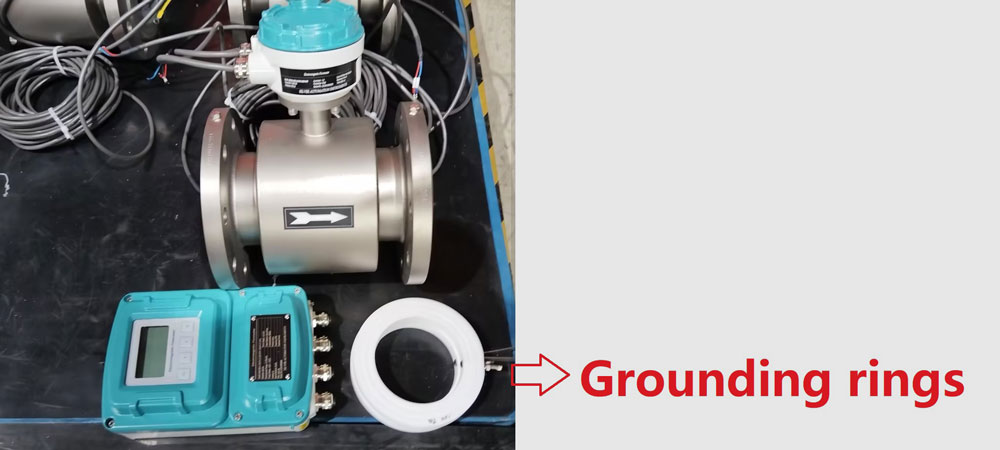
Sodium hypochlorite is corrosive, and pipelines are often plastic. Proper grounding is essential for stable electromagnetic flow measurement. Installing a grounding ring ensures signal stability. Since the grounding ring contacts the corrosive liquid, its material must also be corrosion resistant.
For corrosive chemicals such as sodium hypochlorite, accurate flow measurement is essential for efficient and compliant operation. Thanks to their corrosion resistance, high accuracy, wide adaptability, and low maintenance, electromagnetic flow meters are the preferred solution for chemical dosing and water treatment applications.
As long as the core parameters such as nominal diameter, material, and accuracy are accurately controlled in combination with the on-site working conditions, the electromagnetic flowmeter can fully play its role and provide strong guarantees for the stable and compliant operation of the production process.
Sulfuric acid(H2SO4) Radar Level Transmitter
we will contact you within 24 hours..