
English
In the chemical processing industry, measuring fluids accurately and, most importantly, safely is not just a matter of efficiency; it is a basic requirement. Flow metering instrumentation has a unique and difficult problem with acids and chemicals. Choosing the right chemical flow meter is one of the most important things an engineer can do. This is because some acids are very corrosive and can ruin regular metals, while others are valuable solvents that need to be dosed exactly.
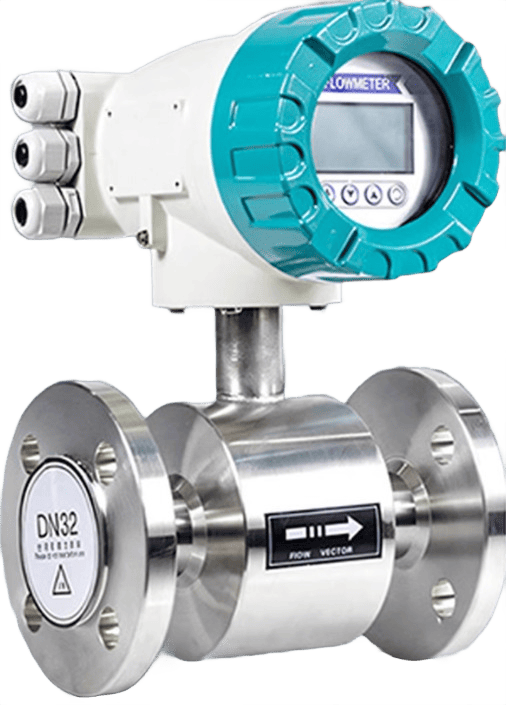
Making the wrong choice can cause flow instruments to break, leaks that are dangerous, batching that isn't accurate, and big money losses. This guide gives a full picture of the tools and materials needed for accurate chemical and acid flow measurement. We will talk about the problems, go over the best meter technologies for the job, and look at some specific uses, making this a complete guide for anyone who needs to measure aggressive and difficult fluids.
Handling chemicals or corrosive fluids requires more than a standard flow meter. The main problems are:
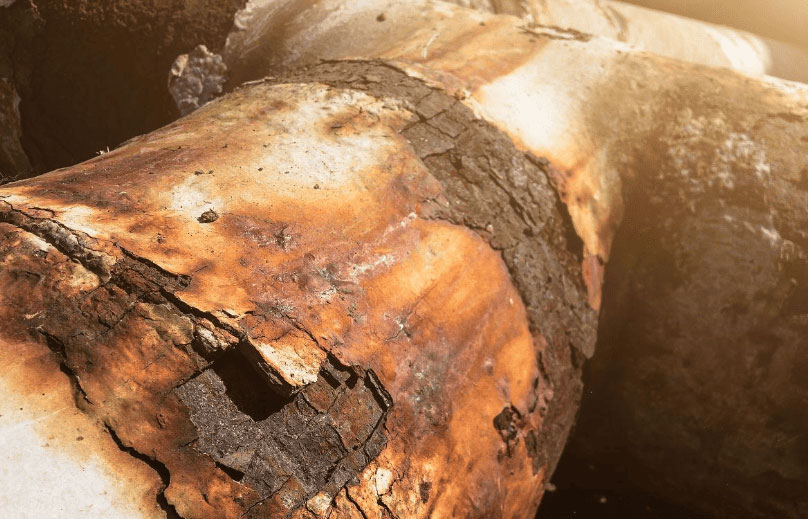
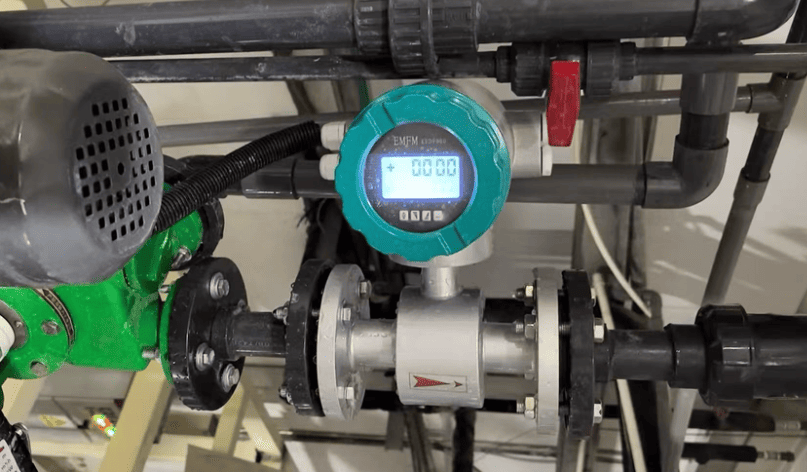
The foundation of any successful [chemical resistant flow meter] is its material of flow sensor construction ( or we call wet parts of the flow sensor). The wetted parts—any component that touches the corrosive liquid—must be completely chemically compatible.
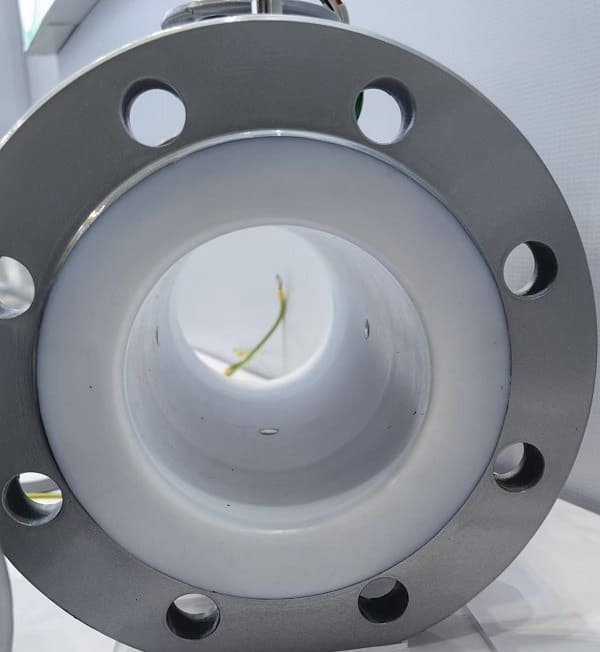
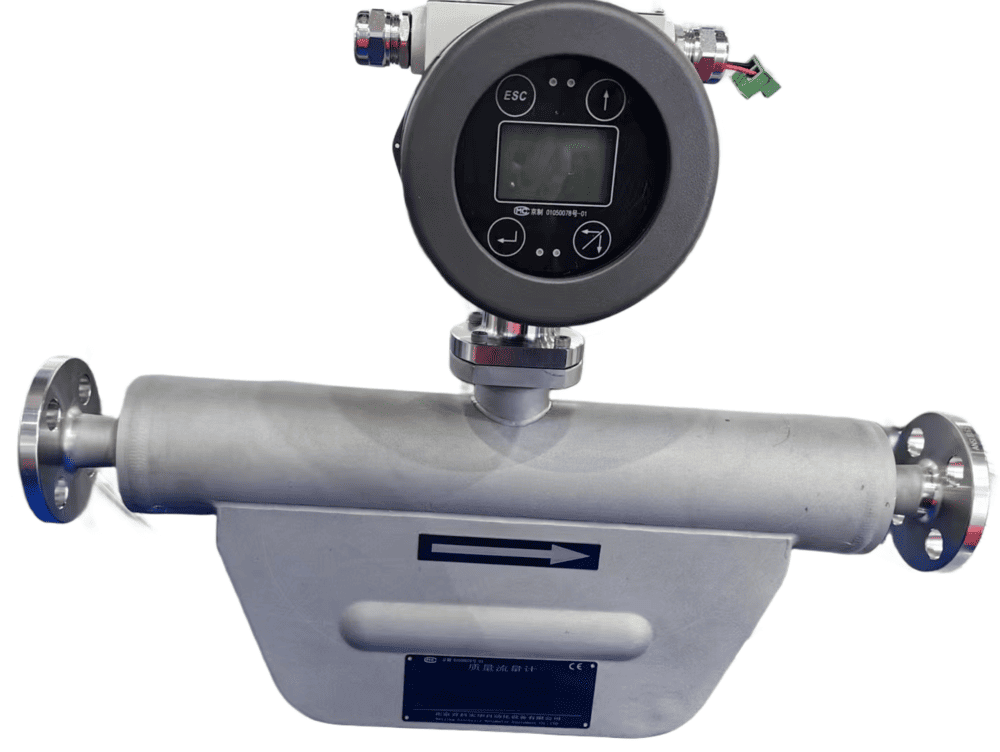
No single technology is perfect for every chemical. The choice depends on the fluid's properties (conductivity, viscosity, temperature, pressure, presence of solids) and the measurement objective, also user’s budgets.
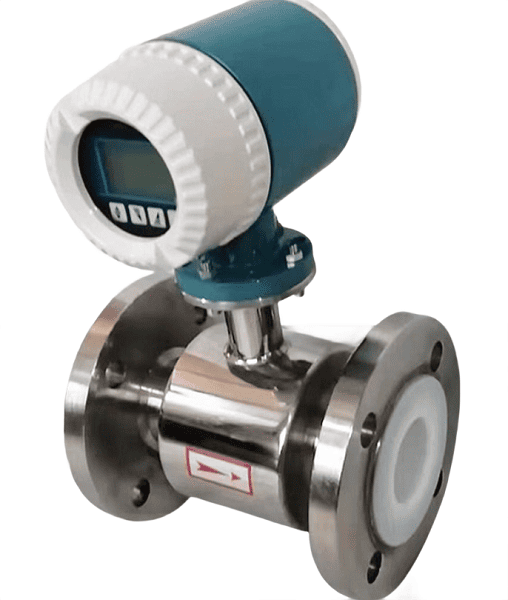
To ensure the accuracy and longevity of your electromagnetic flow meter, selecting the correct liner and electrode material is critical. We have uploaded a comprehensive selection guide covering wetted part materials suitable for a wide range of acids, alkalis, and chemical media. This document provides the expert guidance you need to choose the most appropriate materials for your specific application.
selection guide of magnetic flow meter eletrodes and liners
Here is a video to show more information about magnetic type acid flow meter.
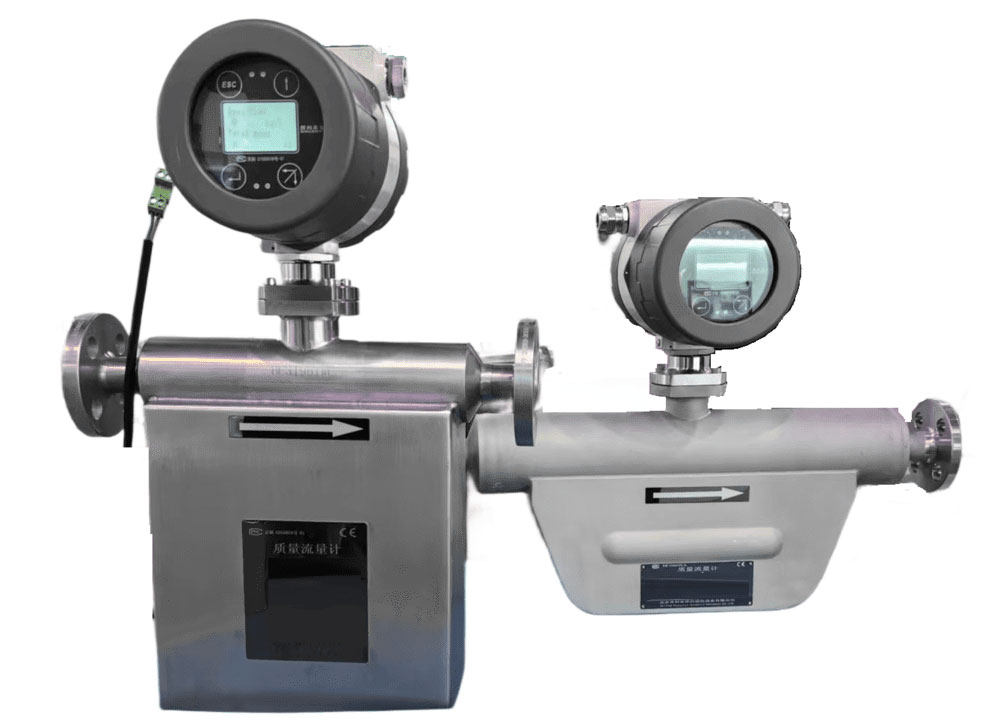
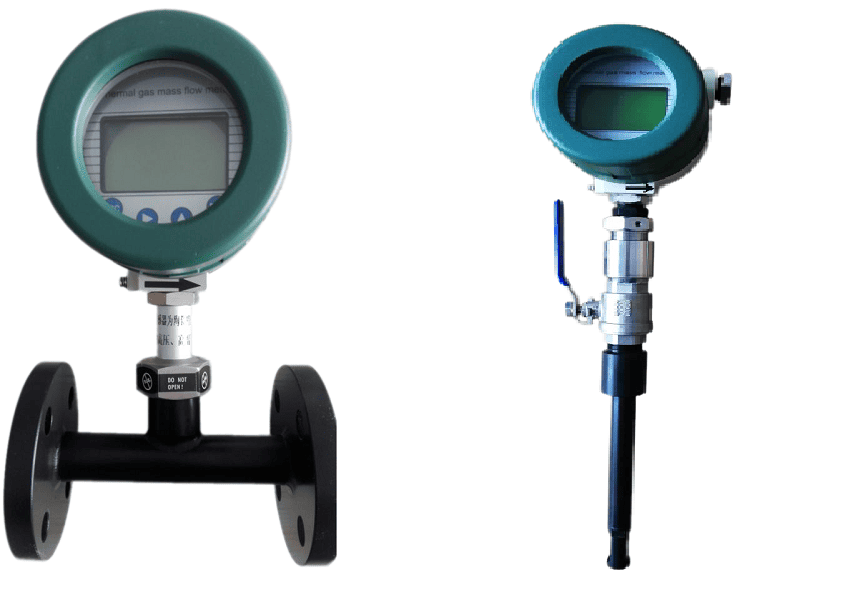
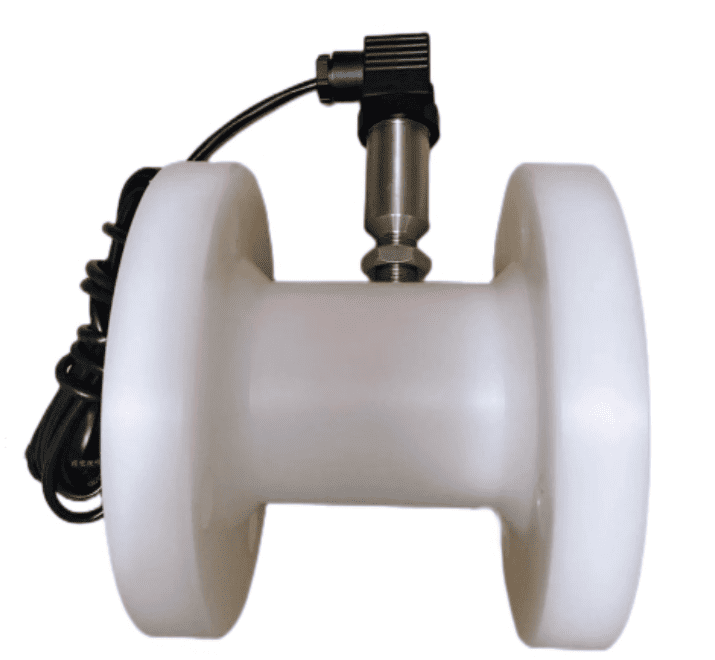
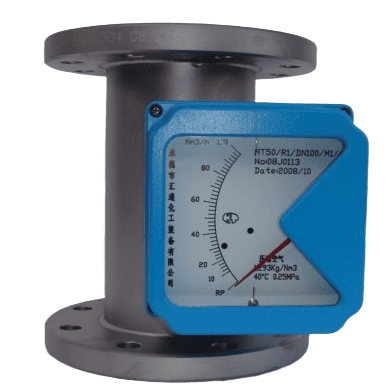
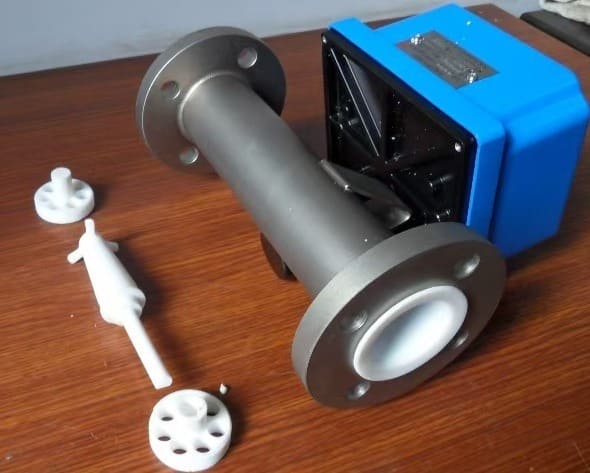
| Flow Meter Type | Best For | Key Advantages | Material Options | Limitations |
|---|---|---|---|---|
| Magmeter | Conductive liquids, acids, bases | • No moving parts • Full bore design • Low cost • High reliability | • PTFE/PFA liner • Non-reactive electrodes | Only for conductive fluids |
| Coriolis Mass | High accuracy applications, slurry acids | • Direct mass measurement • Immune to density/viscosity changes • Ultimate accuracy | • 316L stainless steel • Hastelloy • Tantalum | Higher cost |
| Thermal Mass | Low corrosive gases | • Industry standard for gases • Handles challenging media • Safe and accurate | • Specialized corrosion-resistant materials | Gas applications only |
| Plastic Turbine/Oval Gear | Low-pressure and corrosive liquids | • Lower cost solution • Good for chemical dosing • Positive displacement flowmeter | • PP (Polypropylene) • PVDF | • Must be particle-free • Lower pressure rating • Moving parts can be damaged |
| Metal Tube Rotameter | Simple local indication or transmitter | • Robust and reliable • Available with 4-20mA output • Cost-effective | • 316L stainless steel • PTFE liner | Not good for high temperature |
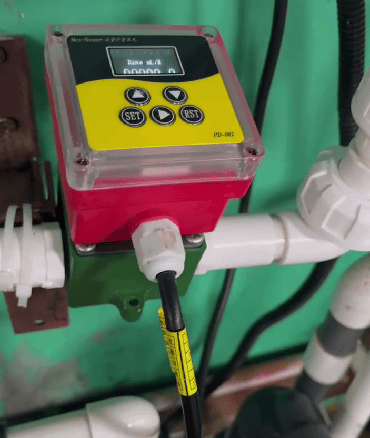
Precise chemical dosing requires flow sensor that can accurately measure very small volumes. Micro Coriolis meters and small positive displacement meters are specifically designed for this. Selecting a [low flow chemical flow meter] is critical for low flow chemical measurement applications in laboratories, pilot plants, and additive injection systems. These [small flow meters for corrosive liquids] ensure that even the tiniest amounts are measured with high precision, this micro chemical flow meter can be in low flow unit ml/min ( or ccm flow unit ) or in kg/hr or g/h (gram per hour). Below video shows micro mass flow meter for chemcial measurement.
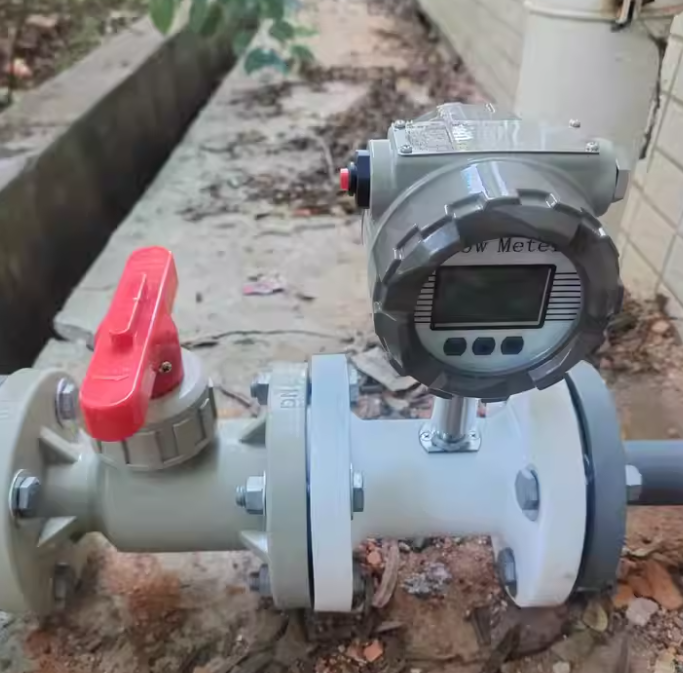
Chemical processes often involve high temperatures and pressures, which demand robust meter construction. The choice of flow meter types ,sensor materials, flange ratings, and sensor design are all very important. In these conditions, it's also essential to measure pressure accurately with a dedicated [pressure transmitter for corrosive gas or liquid]. Our SH-CMF Coriolis flow meter can handle corrosive media at temperatures up to 350°C. In contrast, most plastic flow meters are limited by their material properties, typically with a maximum operating temperature between 60°C and 100°C, and pressure rating is within 145 psi.
The true test of a [chemical acid flow meter] is its performance with specific, challenging fluids. Silver Automation Instruments provides proven solutions for a vast range of media.
The selection of an [acid resistant flow meter] depends entirely on the specific acid, its concentration, and temperature.
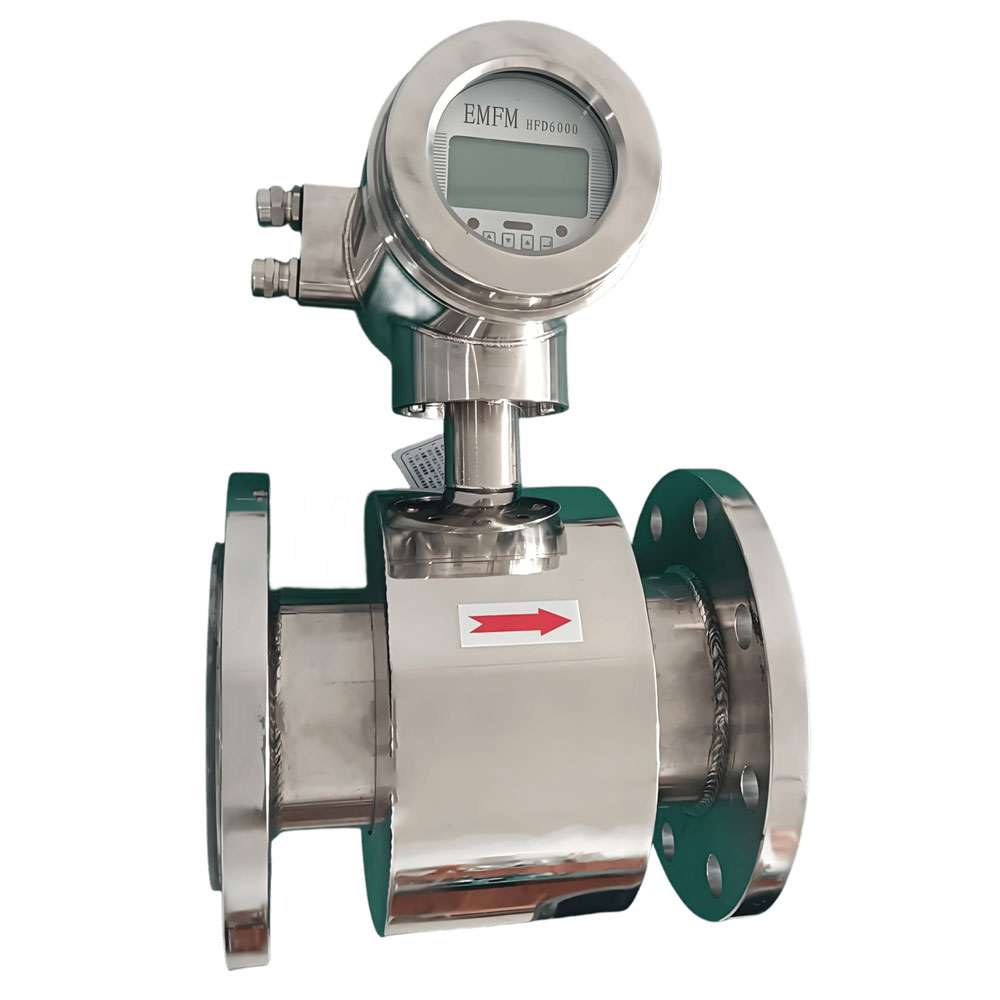
Magnetic flow meters with PTFE liners and Tantalum electrodes are an excellent choice for measuring [HCl flow]. However, for HCl at elevated temperatures or high concentrations, we recommend upgrading to a configuration with Platinum electrodes and a PFA liner for superior resistance.Please Note: For standard conditions, a carbon steel housing for the electromagnetic flow meter is sufficient. However, if the external environment is corrosive, we can upgrade the housing to Stainless Steel 304 or 316.
• Sulfuric Acid (H₂SO₄):
For concentrated sulfuric acid, a Coriolis mass flow meter with a Hastelloy C sensor is often required. We provide specific solutions like our [sulphonic acid mass flow meter]. For General-Purpose Applications: In many cases where top-tier precision is not critical, stable and reliable measurement can be achieved with more economical options. These include a PTFE-lined variable area (rotameter) flow meter or a magnetic flow meter equipped with a PTFE liner and Tantalum electrodes.
• Nitric Acid (HNO₃):
316L Stainless Steel is often sufficient for nitric acid, making a variety of technologies suitable. Learn more about our [HNO₃ Flow Meter] options.
• Other Acids:
We provide solutions for a wide range of other acids, detailed in our [acid flow meter application references] and for specific types like [crotonic acid] or acetic acid.
Measuring caustics like Sodium Hydroxide (NaOH) requires careful material selection to avoid corrosion. A Coriolis [sodium hydroxide mass flow meter] provides high accuracy for concentration control. Understanding [how to choose a proper type of caustic soda flow meter] is key to a successful installation.
Our expertise extends to some of the most difficult fluids in the industry.
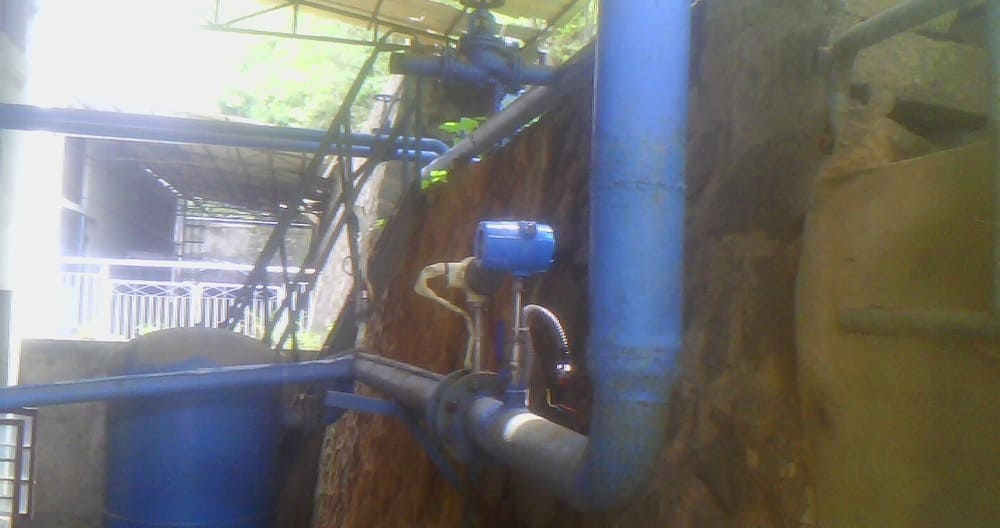
This highly toxic and corrosive gas requires a specialized [chlorine gas flow meter], typically a thermal mass type with corrosion-resistant materials or the best choice is Coriolis chlorine flow meter. We also provide [chlorine pressure gauges].
This unique application involves extremely high temperatures and the risk of solidification. Learn [how to find a suitable flow meter for molten sulfur] in our detailed guide.
Measuring fluids like [liquid lithium and sodium] requires highly specialized Coriolis meters designed for extreme temperatures.
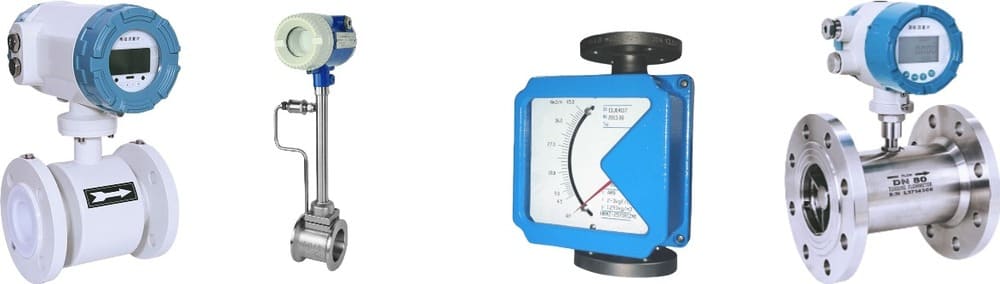
There is no single answer to the question of [what is a flow meter for corrosive liquids]. The optimal choice is a complex decision based on chemical compatibility, process conditions, how much you will cost on the flow meter and performance requirements. From a standard [1-inch chemical flow meter] to a large-diameter, alloy-body sensor, the right instrument is the one that is purpose-built for your application.
At Silver Automation Instruments, we are experts in [flow meters for chemical measurement]. Our experienced engineers can analyze your process and recommend a robust, reliable, and accurate [digital chemical flow meter] that meets the unique challenges of the [chemical and petrochemical industry]. Contact us today for a consultation.
The single most critical factor is material compatibility. The wetted parts of the flow meter (any component touching the fluid) must be completely resistant to the specific chemical's corrosive properties. An incorrect material choice can lead to rapid sensor failure and dangerous leaks.
2. Which flow meter is best for general-purpose conductive acids and bases?
For most conductive chemicals like water-based acids and alkalis, the Magnetic Flow Meter is the industry standard. Its obstructionless design (or we call full bore flow sensor design) has no moving parts, making it highly reliable. By selecting the correct non-reactive electrodes and a durable PTFE or PFA liner, it can handle a wide range of corrosive fluids at a relatively low cost.
3. When should I use a Coriolis Mass Flow Meter for chemicals?
Coriolis Mass Flow Meter is the superior choice for applications requiring the highest accuracy, when measuring the direct mass of the fluid is necessary, or when handling slurries. Because it is immune to changes in fluid density and viscosity, it's ideal for critical process control and can be built from exotic alloys like Hastelloy or Tantalum for the most aggressive chemicals.
4. How do I measure the flow of corrosive gases like chlorine?
For corrosive gases, the Thermal Mass Flow Meter is the standard technology. These meters are built with specialized corrosion-resistant materials to safely and accurately measure the mass flow of challenging gases like chlorine (dry Cl₂), biogas, or sour gas containing H₂S.
5. What is the best solution for low-flow chemical dosing?
For precise measurement of very low flow rates (often in ml/min), such as in chemical dosing or laboratory applications, a micro-flow meter is required. Both micro Coriolis meters and small plastic oval gear meters are specifically designed for these tasks, ensuring high precision for the smallest volumes.
Yes, for certain applications. Flow meters made from engineered plastics like PP or PVDF can be a cost-effective option for less aggressive chemicals at low operating pressures (typically under 10 bar). However, they are not suitable for fluids containing solids, as the moving parts can be damaged.
For highly aggressive and concentrated acids like H₂SO₄, a standard stainless steel meter is inadequate. The recommended solution is often a Coriolis mass flow meter with a Hastelloy C sensor. For less critical applications, a magnetic flow meter with a PTFE liner and Tantalum electrodes can also be a stable option.
No. A magnetic flow meter can only measure electrically conductive liquids. While most water-based acids are conductive, it will not work for non-conductive chemical solvents or hydrocarbons.
Liners, typically made of PTFE or PFA, are non-reactive sleeves inserted inside the metal body of a magnetic flow meter or metal tube rotameter. The liner protects the meter's metal body from corrosion, allowing a standard meter to be used for highly aggressive fluids.
High temperatures and pressures demand robust meter construction. Plastic flow meters are generally limited to lower temperatures (60-100°C) and pressures (under 145 psi). For more extreme conditions, metal-bodied instruments like Coriolis or Magnetic flow meters with appropriate high-pressure flange ratings are necessary.
 Pressure Transmitter for Corrosive gas or liquid
The SH308-C series ceramic capacitive pressure transmitters, designed with high-purity alumina ceramics (Al2O3, 99%) as the diaphragm material, are idea...
VIEW
Pressure Transmitter for Corrosive gas or liquid
Pressure Transmitter for Corrosive gas or liquidThe SH308-C series ceramic capacitive pressure transmitters, designed with high-purity alumina ceramics (Al2O3, 99%) as the diaphragm material, are idea...
VIEW
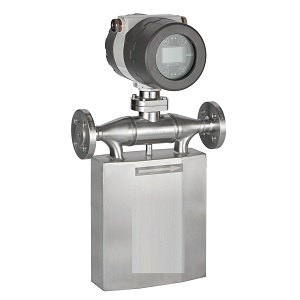 Anti corrosive mass flow meter
Coriolis flow meters are crucial in the acid-alkali and chemical industries for accurately measuring corrosive liquids. Their benefits include high precision, no moving parts, anti-corrosive material...
VIEW
Anti corrosive mass flow meter
Coriolis flow meters are crucial in the acid-alkali and chemical industries for accurately measuring corrosive liquids. Their benefits include high precision, no moving parts, anti-corrosive material...
VIEW
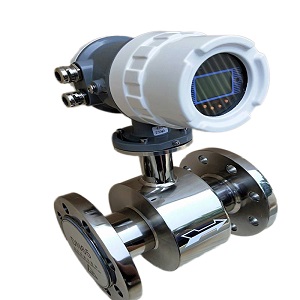 Chemical resistant flow meter
Chemical Resistant Flow Meters: Safeguarding Accuracy in Corrosive Fluid MeasurementIn industries handling corrosive substances like sulfuric acid, hydrochloric acid, phosphoric acid, sea water, hydro...
VIEW
Chemical resistant flow meter
Chemical Resistant Flow Meters: Safeguarding Accuracy in Corrosive Fluid MeasurementIn industries handling corrosive substances like sulfuric acid, hydrochloric acid, phosphoric acid, sea water, hydro...
VIEW
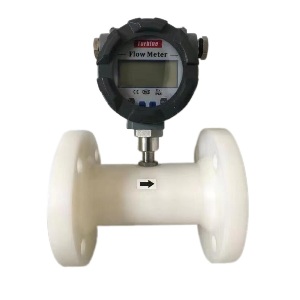 Turbine Flow meter for corrosive liquid
What is turbine flow meter for corrosive liquid?A turbine flow meter is a type of flow meter that measures the rate of fluid flow by utilizing a turbine wheel that rotates as the fluid passes through...
VIEW
Turbine Flow meter for corrosive liquid
What is turbine flow meter for corrosive liquid?A turbine flow meter is a type of flow meter that measures the rate of fluid flow by utilizing a turbine wheel that rotates as the fluid passes through...
VIEW
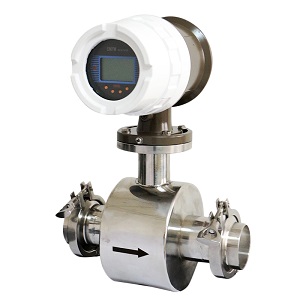 HCL (hydrochloric acid) flow meter
Digital HCL flow meter used electromagnetic flow meter, all stainless steel housing ,PFA or PTFE liner ,tantalum electrodes
VIEW
HCL (hydrochloric acid) flow meter
Digital HCL flow meter used electromagnetic flow meter, all stainless steel housing ,PFA or PTFE liner ,tantalum electrodes
VIEW
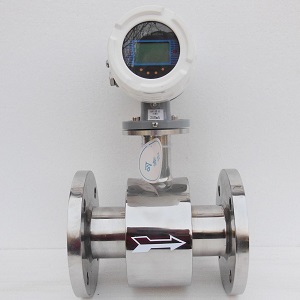 Acid resistant flow meters
Flow meters recommended for use with acids or chemically aggressive liquids. Silver Automation Instruments supplies acid resistant flow meters to measure the flow of strong hot corrosive acids like su...
VIEW
Acid resistant flow meters
Flow meters recommended for use with acids or chemically aggressive liquids. Silver Automation Instruments supplies acid resistant flow meters to measure the flow of strong hot corrosive acids like su...
VIEW