
Struggling with inaccurate level measurement in harsh conditions? Our radar level transmitters deliver reliable non-contact measurement for liquids, slurry and bulk solids, unaffected by dust, steam, foam or extreme temperature and pressure. Available in non-contact and guided wave types for tanks, silos and complex process applications.
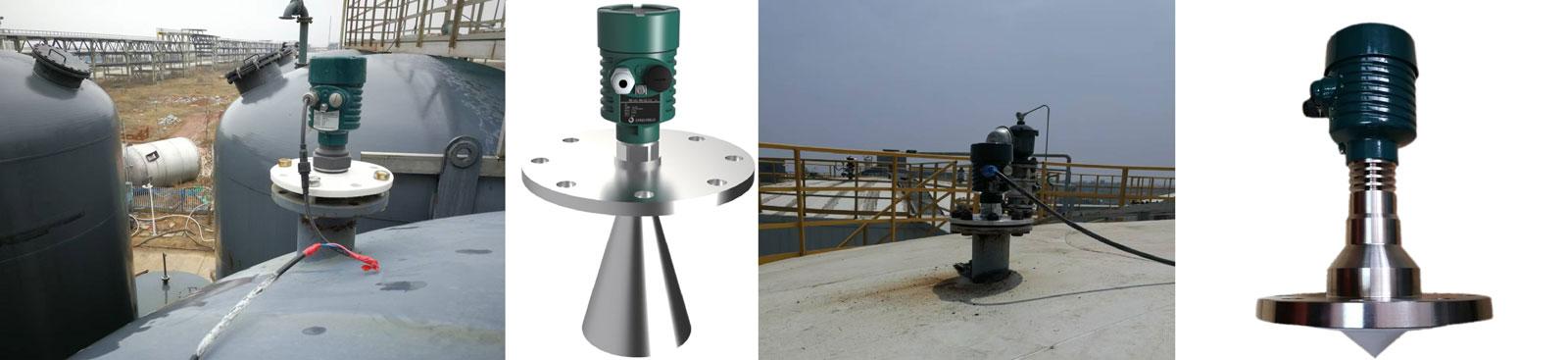
PrincipleRadar liquid level sensors are used to measurethe level of liquids in tanks. The radio waves emitted through the transceiverare directed towards the surface of the liquid. As the density of t...
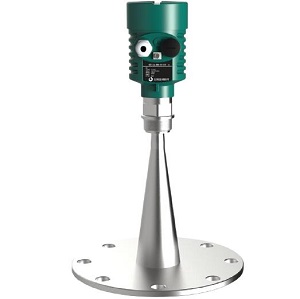
These transmitters allow radar levelmeasurement without any contact with the liquid and no probe is used, it is noncontact level measurement. These level transducers work on two differentprinciples. T...
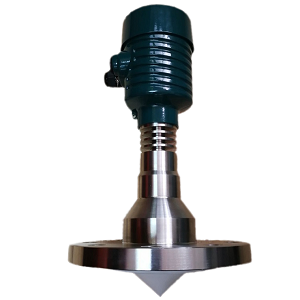
The 80G radar level meter is an advanced and highly accurate device designed for measuring the level of various materials in tanks, silos, and other containers. Frequency modulated continuous ...
China radar level factory offering non-contact or GWR radar level meter, 4-20mA/HART output. For liquids & solids. ATEX & CE certified manufacturing.
Radar level transmitter is a device used for the measurement of liquid levels. Due to their high precision and accuracy, these radar type level transmitters are widely used commercially.
The working principle of radar level transmitters is very much similar to the ultrasonic level transmitter and the only difference is that radar level indicators make use of radio waves instead of ultrasonic waves. This transmitter consists of three parts.
This transmitter is attached to the top of the tank that contains the liquid to be measured. The transmitter part of this device emits waves known as radio waves and is very much similar to microwaves. As soon as these electromagnetic waves strike the surface of liquid they are reflected in the opposite direction. These waves, in turn, enter the antenna and are sensed by the receiver. The time of flight i.e the time taken by these waves to travel the given distance is then used to calculate the level of the liquid.
Some radar level use waveguides to guide the waves in a proper direction of liquid in the tank whereas others simply emit these high-frequency waves in an open space. Based on this difference these transmitters are divided into two types.
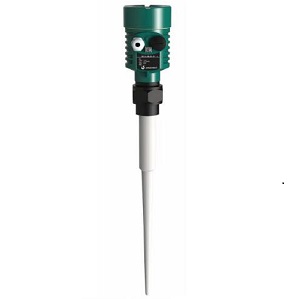
1- Guided wave radar level transmitter
These transmitters employ guide waves for directing the radio waves and help in combating the wave loss. They channel the waves in a straight line towards the liquid surface and thus help in precise measurement.
2- Non-contact radar level transmitter
Noncontact radar transmitters make use of their antennas to direct the waves and also to receive them. Therefore these transmitters offer a chance for signal loss. These transmitters are however simpler in their structure and signal propagation occurs in an open space.
The non-contact and top-down installation and accuracy of measurement make it a very useful level measuring device. Thus these transmitters are used in food processing industries, water and fuel management, mining industries, acid management industries, saline, and wastewater management and other industries. These level transmitters are highly capable of measuring the level of corrosive and clean liquids in tanks.
Radar level transmitter is also a kind of level sensor for solids, it can measure bulk solids, powder, grain, ore,granular solids, sludge blanket.,etc in a silo, tank, powder hopper or other vessel ,it is a kind low cost solids level transmitter for continuous level detection. 26G Hz radar is a kind of reliable solid level measurement technologies, the level measurement not affected by solids temperature, pressure, dust, or noise.
Overview of guided radar type level transmitter
This transmitter is radar type level transmitter that utilizes a guided wave for the emission of the electromagnetic waves from the transmitter. The aim of using a guided wave radar is to properly channel the waves in order to avoid any signal loss that can affect the measurement. This radar level sensor is installed on the top side of the tank and a probe is immersed into the liquid. Thus it is not a noncontact type of level measuring device. The waves are emitted down the level probes and when they strike the surface of liquid they reflect backward within the confines of the probe. The overall working principle is the same as radar level transmission.
The controlled guiding of the electromagnetic waves prevents the loss of signals and thus the accuracy of measurement is greatly increased. This guided wave radar level sensor finds its great application for interface level measurement of liquids like water and oils and it also measures through the foams. These devices are not affected by high density, temperature, and pressure, and this quality favors wide applications. The key usage of these transmitters is employed in oil, gas, petrochemical and other process industries.



 Email
Email
 WA
WA
 Inquiry


